



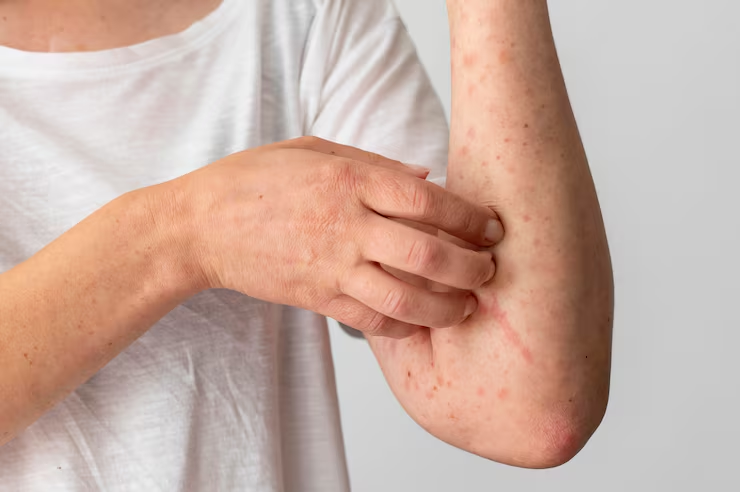
Skin rashes are common and can occur due to allergies, infections, weather changes, or irritation. However, when a rash continues for more than six weeks or keeps coming back, it should not be ignored. Persistent rashes may be associated with chronic skin conditions or, in some cases, an underlying medical problem. Identifying the cause early can help prevent complications and ensure appropriate treatment.
1. Chronic Skin Allergies
Chronic skin allergies can cause persistent itching, redness, raised bumps, or hives. In chronic urticaria, itchy welts appear repeatedly for more than six weeks, sometimes without an identifiable trigger. Certain foods, medicines, infections, heat, pressure, or other factors may worsen symptoms, although many cases have no clear cause. A doctor can help identify possible triggers and recommend suitable treatment.
2. Eczema Can Cause Repeated Itching
Eczema is a chronic inflammatory skin condition that can make the skin dry, red, irritated, and extremely itchy. Scratching may damage the skin, leading to cracks, thickened patches, or bleeding. Symptoms can worsen due to soaps, detergents, sweating, weather changes, and other irritants. Moisturizers and prescribed treatments can help control flare-ups and protect the skin barrier.
3. Persistent Fungal Infections
Fungal infections can cause itchy, red, scaly patches that may spread to nearby areas. Ringworm, for example, often produces circular patches with a more prominent outer edge. These infections may persist if treatment is inappropriate or incomplete, and some steroid-containing creams can make them worse. Medical evaluation is important because fungal infections can resemble eczema and other skin conditions.
4. Psoriasis May Be Responsible
Psoriasis is a chronic immune-mediated condition that speeds up the production of skin cells, causing thick, raised patches covered with silvery-white scales. These patches commonly appear on the elbows, knees, scalp, and lower back, although other areas can also be affected. The skin may itch, crack, or become painful. Psoriasis is not contagious, and treatment can help reduce inflammation and control symptoms.
5. Autoimmune Diseases Can Sometimes Cause Rashes
Certain autoimmune diseases can affect the skin when the immune system mistakenly attacks the body’s own tissues. For example, lupus may cause rashes on the face or other sun-exposed areas, while some inflammatory conditions can cause distinctive skin changes. A rash accompanied by joint pain, unusual fatigue, fever, or muscle pain may need further investigation. However, these symptoms do not automatically mean that a person has an autoimmune disease.
6. Medicines May Trigger Skin Reactions
Some prescription medicines, over-the-counter drugs, and supplements can cause skin reactions. A rash may appear after starting a new medicine or changing its dose, and the reaction can vary from mild itching to a more serious condition. Inform your doctor about all medicines you take, including recently started products. Do not stop an essential prescribed medicine without medical advice, unless emergency services instruct you otherwise.
7. When Should You Consult a Doctor?
A rash lasting more than six weeks, repeatedly returning, spreading, or failing to improve with appropriate care should be examined by a healthcare professional. A doctor may review your medical history, examine the affected skin, and recommend tests if needed. Avoid scratching, use gentle fragrance-free skincare products, and do not apply strong steroid or combination creams without professional guidance.
Seek emergency medical attention if a rash occurs with difficulty breathing, swelling of the lips or tongue, or faintness. Urgent assessment is also necessary for a rapidly spreading rash with fever, severe pain, skin blistering or peeling, or sores involving the eyes or mouth.
Important: A rash lasting longer than six weeks does not automatically indicate a serious disease. The duration is a reason to seek evaluation, not a diagnosis. The underlying cause and accompanying symptoms determine the appropriate treatment.

