



Your mood isn’t controlled by food alone, but what you eat can influence brain function and the production of important brain chemicals often called “happy hormones.” While these are technically neurotransmitters or hormones, nutrients from food help your body produce and regulate them.
The four most commonly discussed “happy hormones” are:
- Serotonin – Supports mood, sleep, and emotional well-being.
- Dopamine – Involved in motivation, focus, and feelings of reward.
- Endorphins – Natural pain relievers that can also create feelings of pleasure.
- Oxytocin – Associated with social bonding and trust (food has only an indirect role in its regulation).
Although no single food can instantly make you happier, a balanced diet rich in specific nutrients may support healthy brain function and emotional well-being.
1. Oats
Oats are rich in complex carbohydrates, which help your body use tryptophan more effectively. Tryptophan is an amino acid needed to make serotonin.
Benefits
- Supports steady energy levels
- May promote serotonin production
- Helps stabilize blood sugar
- High in fiber for gut health
2. Berries
Blueberries, strawberries, raspberries, and blackberries are packed with antioxidants called anthocyanins.
Benefits
- Protect brain cells from oxidative stress
- May reduce inflammation
- Support memory and cognitive function
- Vitamin C supports overall brain health
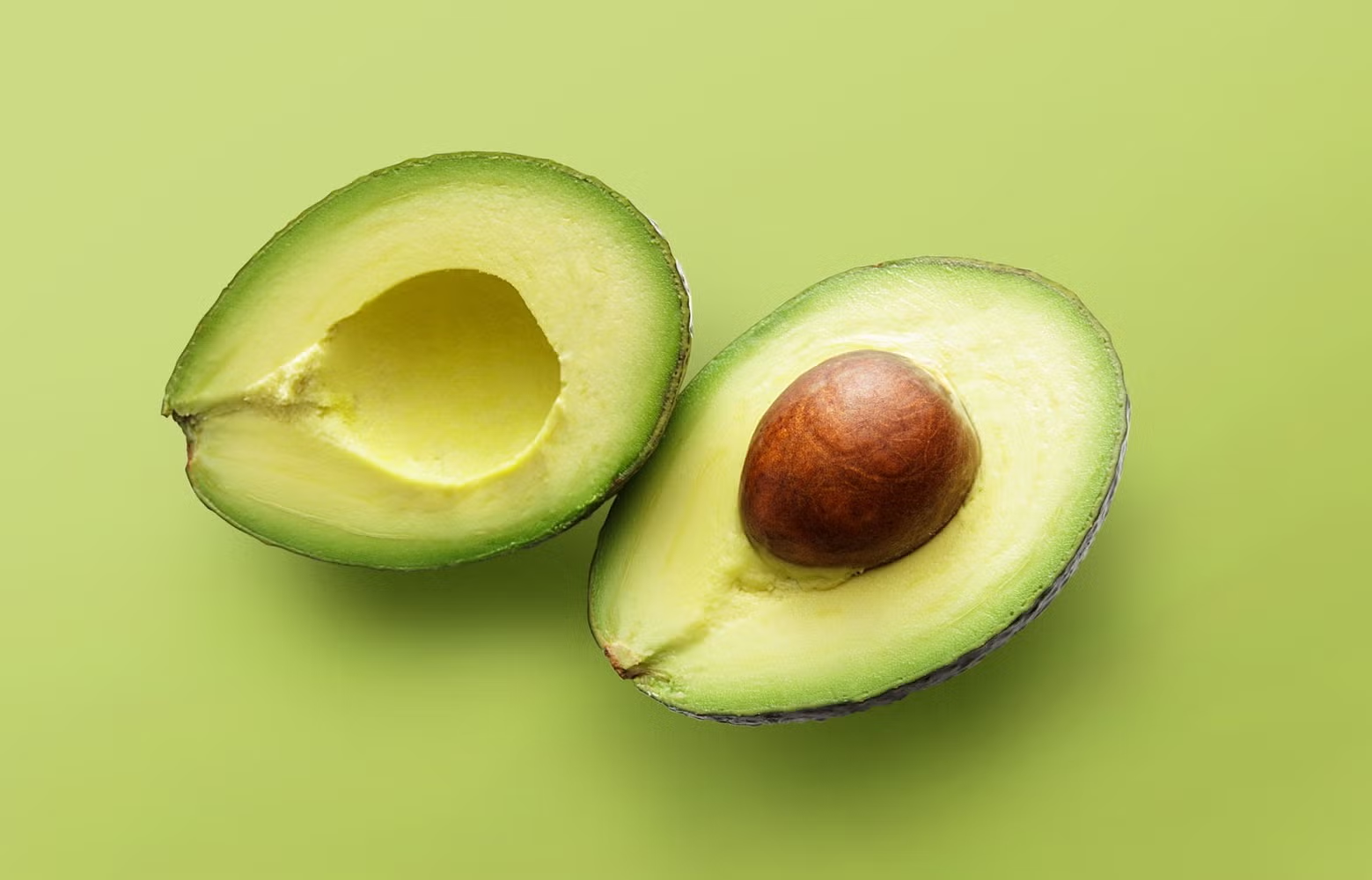
3. Avocados
Avocados contain healthy monounsaturated fats, folate, potassium, and vitamin B6.
Benefits
- Support healthy brain cell membranes
- Vitamin B6 helps produce serotonin and dopamine
- Healthy fats may improve cognitive function
- Provide long-lasting energy
4. Dark Chocolate
Dark chocolate (especially with 70% or more cocoa) contains flavonoids and small amounts of compounds that may influence brain chemistry.
Benefits
- May improve blood flow to the brain
- Can stimulate endorphin release
- Contains magnesium, which supports nerve function
- Enjoy in moderation due to calorie content
5. Fatty Fish
Salmon, sardines, mackerel, and trout are rich in omega-3 fatty acids (EPA and DHA).
Benefits
- Support healthy brain structure
- May help regulate mood
- Important for communication between brain cells
- Associated with better cognitive health
6. Bananas
Bananas provide vitamin B6, fiber, and carbohydrates.
Benefits
- Vitamin B6 helps the body make serotonin and dopamine
- Natural sugars provide quick energy
- Potassium supports nerve and muscle function
7. Yogurt and Fermented Foods
Foods like yogurt, kefir, kimchi, and sauerkraut contain beneficial bacteria.
Benefits
- Support a healthy gut microbiome
- The gut and brain communicate through the gut-brain axis
- May indirectly influence mood and emotional health
8. Nuts and Seeds
Almonds, walnuts, chia seeds, flaxseeds, and pumpkin seeds are nutrient-dense.
Benefits
- Rich in healthy fats
- Provide magnesium and zinc
- Contain plant-based omega-3 fats
- Help support brain health
9. Leafy Green Vegetables
Spinach, kale, and other leafy greens are excellent sources of folate and magnesium.
Benefits
- Support normal brain function
- Folate is involved in neurotransmitter production
- High in antioxidants and fiber
10. Eggs
Eggs are a source of high-quality protein, choline, and several B vitamins.
Benefits
- Choline supports brain cell communication
- Protein provides amino acids used to make neurotransmitters
- B vitamins help support normal nervous system function
How Do These Foods Support ‘Happy Hormones’?
| Brain Chemical | Main Role | Foods That Help Provide Building Blocks or Support |
|---|---|---|
| Serotonin | Mood, sleep, emotional balance | Oats, bananas, eggs, yogurt |
| Dopamine | Motivation, reward, focus | Eggs, avocados, nuts, fish |
| Endorphins | Pleasure, pain relief | Dark chocolate (modest effect), spicy foods, exercise |
| Oxytocin | Social bonding and trust | Food doesn’t directly increase it, but a healthy diet supports overall well-being |
Can Food Alone Make You Happy?
Not entirely. Mood is influenced by many factors, including:
- Sleep quality
- Physical activity
- Stress levels
- Social relationships
- Mental health
- Genetics
- Overall diet
Eating these foods regularly is best viewed as part of a healthy lifestyle rather than a standalone solution for improving mood.
Daily Mood-Boosting Meal Ideas
- Breakfast: Oatmeal topped with berries and walnuts
- Snack: Banana with almond butter
- Lunch: Spinach salad with avocado and grilled salmon
- Snack: Plain yogurt with berries
- Dinner: Eggs or baked fish with leafy greens
- Dessert: A small portion of dark chocolate
Final Takeaway
A nutrient-rich diet that includes oats, berries, avocados, dark chocolate, fatty fish, bananas, yogurt, nuts, leafy greens, and eggs can support healthy brain function and provide the nutrients your body uses to make neurotransmitters such as serotonin and dopamine. While these foods don’t directly “increase happy hormones” in a guaranteed way, they can contribute to better overall mood and emotional well-being when combined with regular exercise, adequate sleep, stress management, and social connection.

