



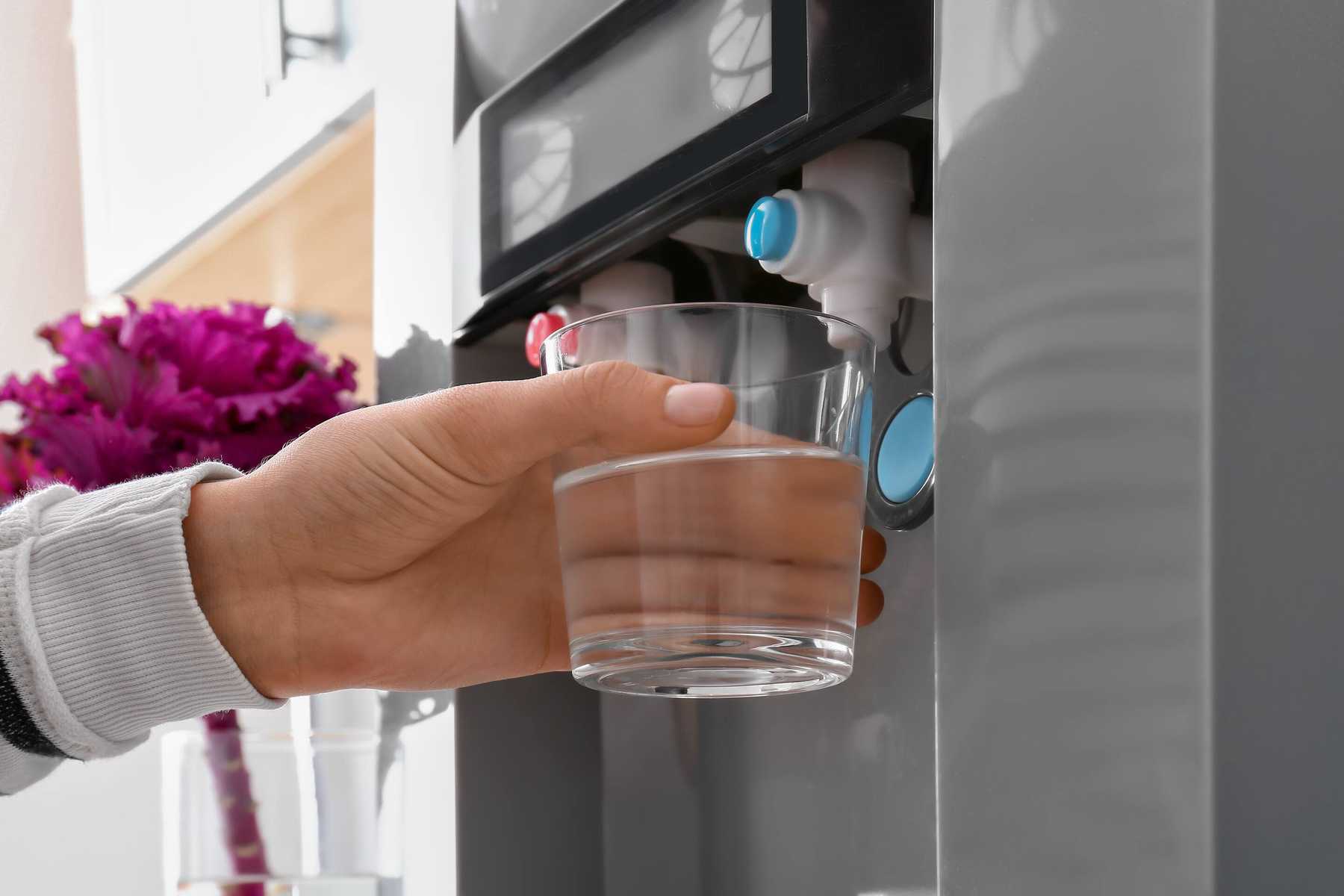
RO (Reverse Osmosis) water purifiers are widely used to reduce contaminants in drinking water. RO can remove many dissolved substances, including excess salts, certain heavy metals and some microorganisms. However, RO water is not automatically healthier than every other type of drinking water. Its usefulness depends largely on the quality of the source water and the purifier’s maintenance.
1. RO water is generally safe when needed
If the source water contains high levels of dissolved salts or certain contaminants, an appropriately maintained RO system can significantly improve its quality. It can be particularly useful where the water has a high TDS (total dissolved solids) level or specific contaminants that need removal.
2. Very low TDS is not necessarily better
RO also removes minerals such as calcium and magnesium. Extremely low-mineral water is not inherently poisonous, but choosing a purifier solely because it produces the lowest possible TDS is unnecessary. Drinking water is not normally the main source of essential minerals in a balanced diet.
3. The source water matters
RO is not required for every water supply. If your municipal or otherwise treated water already meets drinking-water standards, unnecessary RO treatment may remove minerals without providing a meaningful additional benefit.
4. Poorly maintained RO can become a problem
Filters and membranes need to be replaced according to the manufacturer’s instructions. If maintenance is neglected, the purifier may not work properly and microbial contamination can become a concern.
5. Don’t judge safety only by taste
Water that tastes sweet, bland or salty is not enough to determine whether it is safe. TDS also does not tell you about every possible contaminant. Testing the source water is more useful when there are concerns about water quality.
6. RO wastewater should not simply be ignored
RO systems can reject a considerable amount of water while producing purified water. Depending on the system, the rejected water can sometimes be reused for cleaning, mopping, gardening or toilet flushing, provided it is suitable for that purpose.
7. When can RO water become a concern?
The main concern is not that RO water is inherently dangerous, but using an unsuitable or poorly maintained system. Problems can arise when the purifier is unnecessary, maintained poorly, or incorrectly configured for the source water. People with specific medical conditions that require mineral or fluid restrictions should follow their doctor’s advice.
Bottom Line
RO water can be safe and useful when the source water actually requires RO treatment and the purifier is properly maintained. But blindly aiming for extremely low TDS or using RO without knowing the quality of your water is not a good approach. Ideally, test the source water, choose the appropriate purification method and maintain the purifier regularly.

