



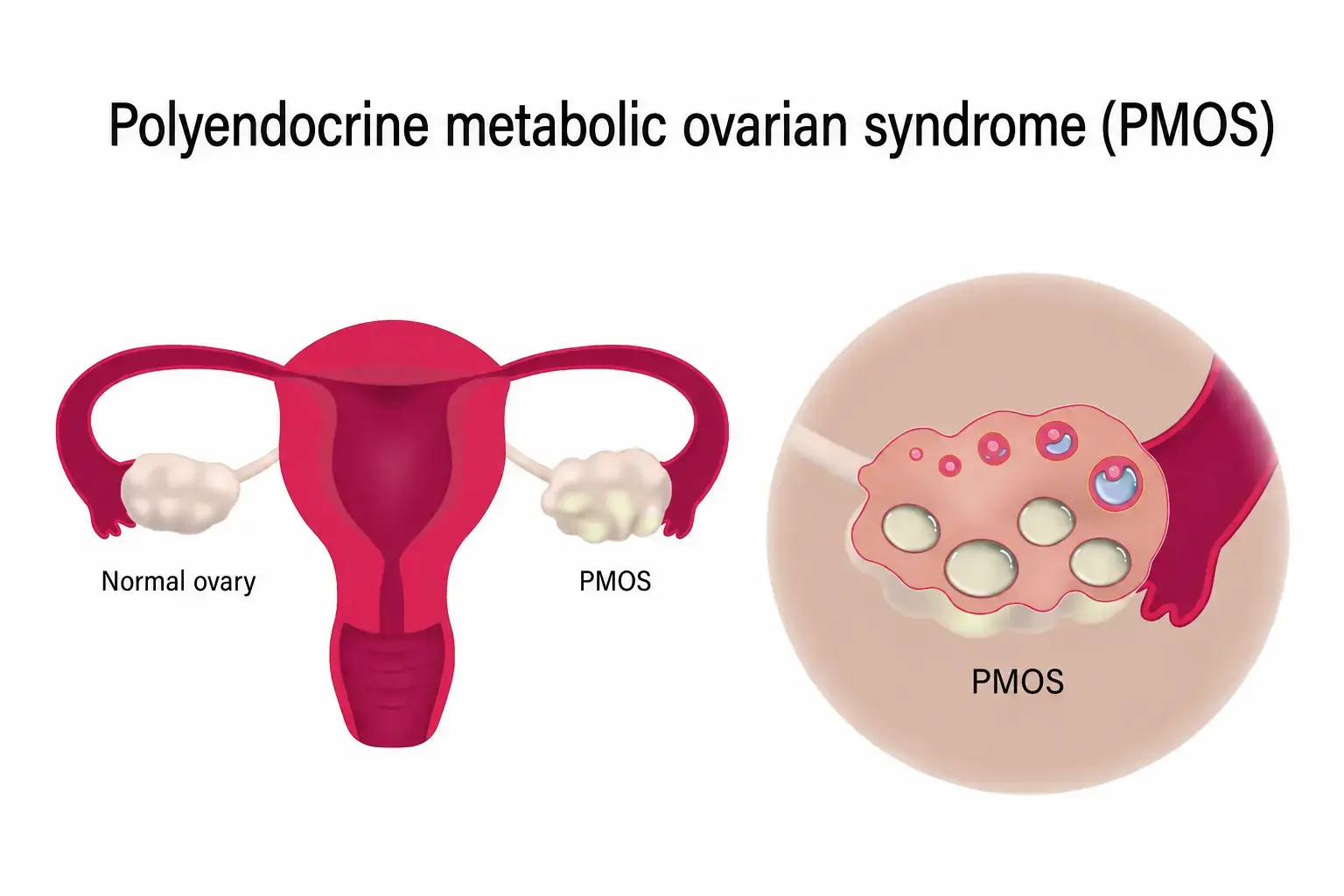
Polycystic ovary syndrome (PCOS) is commonly associated with irregular periods, hormonal changes and fertility problems. However, its effects can extend beyond reproductive health. PCOS is also closely linked with metabolic health, including insulin resistance, abnormal cholesterol levels, weight-related problems and an increased risk of type 2 diabetes.
1. Insulin Resistance Can Be a Major Concern
Many women with PCOS develop insulin resistance, in which the body’s cells do not respond effectively to insulin. As a result, the body may produce more insulin to keep blood sugar levels under control. Over time, this can increase the risk of metabolic problems.
2. Blood Sugar Levels May Be Affected
PCOS is associated with a higher risk of impaired glucose tolerance and type 2 diabetes. This is why doctors may recommend checking blood glucose or other diabetes-related markers, particularly when additional risk factors are present.
3. Cholesterol Can Also Change
PCOS may be associated with an unhealthy lipid profile, including changes in cholesterol and triglyceride levels. These metabolic changes can contribute to long-term cardiovascular risk.
4. Weight Gain Is Not the Only Indicator
Although weight gain or difficulty losing weight can occur with PCOS, PCOS can also affect women who are not overweight. Therefore, metabolic health should not be judged by body weight alone.
5. Blood Pressure Matters Too
Women with PCOS may have a higher risk of high blood pressure, especially when other metabolic risk factors are present. Regular blood-pressure monitoring can therefore be an important part of overall health care.
6. Lifestyle Can Support Metabolic Health
A balanced diet, regular physical activity, adequate sleep and maintaining a healthy weight when appropriate can support better metabolic health. Even modest lifestyle changes may be helpful, depending on an individual’s health needs.
7. Regular Monitoring Is Important
PCOS is not simply a fertility issue. Depending on individual risk factors, doctors may monitor blood sugar, cholesterol, blood pressure and weight, along with menstrual and reproductive symptoms. Early identification of metabolic problems can help with timely management.
Bottom Line
PCOS can affect much more than periods and fertility. Its association with insulin resistance, blood sugar abnormalities, cholesterol changes and cardiovascular risk factors makes metabolic health an important part of PCOS care. If you have PCOS, regular medical check-ups and an individualized treatment plan can help manage both reproductive and metabolic concerns.

