



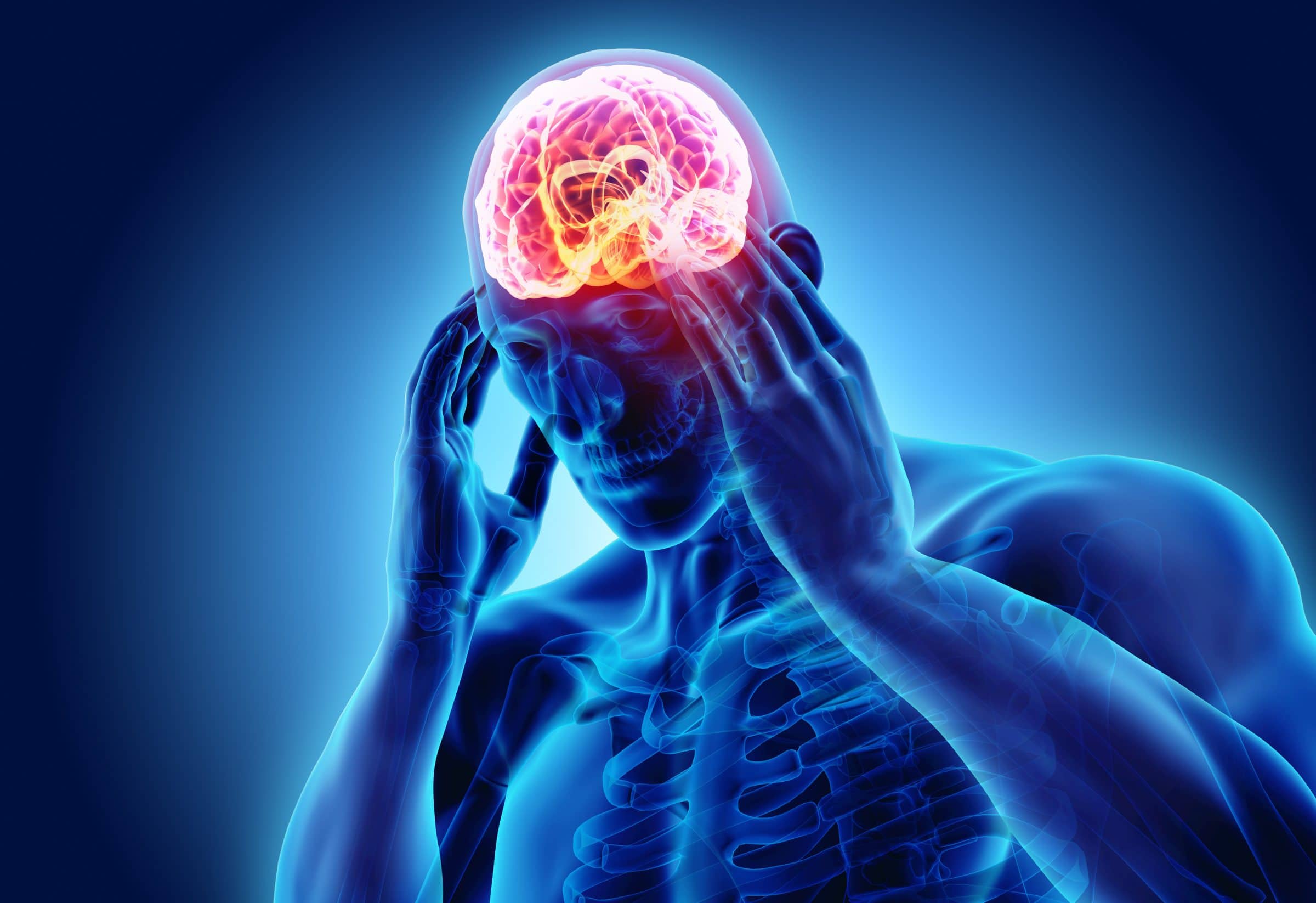
A headache is not always just a headache. It can be a migraine, tension headache, sinus headache, dehydration, or even a sign of something more serious. Taking painkillers without knowing the type may only give temporary relief.
Here’s how to understand what type of headache you might have:
1. Migraine Headache
Key signs:
- Throbbing or pulsating pain (usually one side)
- Sensitivity to light and sound
- Nausea or vomiting
- Pain worsens with movement
- Can last 4–72 hours
Common triggers:
- Lack of sleep
- Stress
- Hormonal changes
- Skipping meals
- Strong smells or bright lights
2. Tension Headache (Most common)
Key signs:
- Dull, tight pressure (like a band around head)
- Pain on both sides
- Neck and shoulder stiffness
- No nausea usually
- Mild to moderate intensity
Common causes:
- Stress
- Long screen time
- Poor posture
- Eye strain
3. Sinus Headache
Key signs:
- Pain in forehead, cheeks, or around eyes
- Worse when bending forward
- Stuffy nose or cold symptoms
- Facial pressure
Common cause:
- Sinus infection or allergies
4. Dehydration Headache
Key signs:
- Whole-head dull pain
- Dry mouth
- Fatigue
- Dizziness
Common cause:
- Not drinking enough water
- Heat exposure
5. Warning Signs (Don’t Ignore)
See a doctor if headache:
- Sudden and very severe
- Happens with fever and stiff neck
- After head injury
- With blurred vision or confusion
- Occurs daily and worsening
Before Taking Painkillers, Try This
- Drink water first
- Rest in a dark quiet room
- Massage neck and temples
- Check sleep and screen time
- Eat something if you skipped meals
Painkillers reduce pain — they don’t fix the cause.
Disclaimer: This article is for informational and educational purposes only and should not be considered medical advice. Always consult a qualified healthcare professional before making any health, diet, or treatment decisions. SehatTak is not responsible for any actions taken based on this information.

