



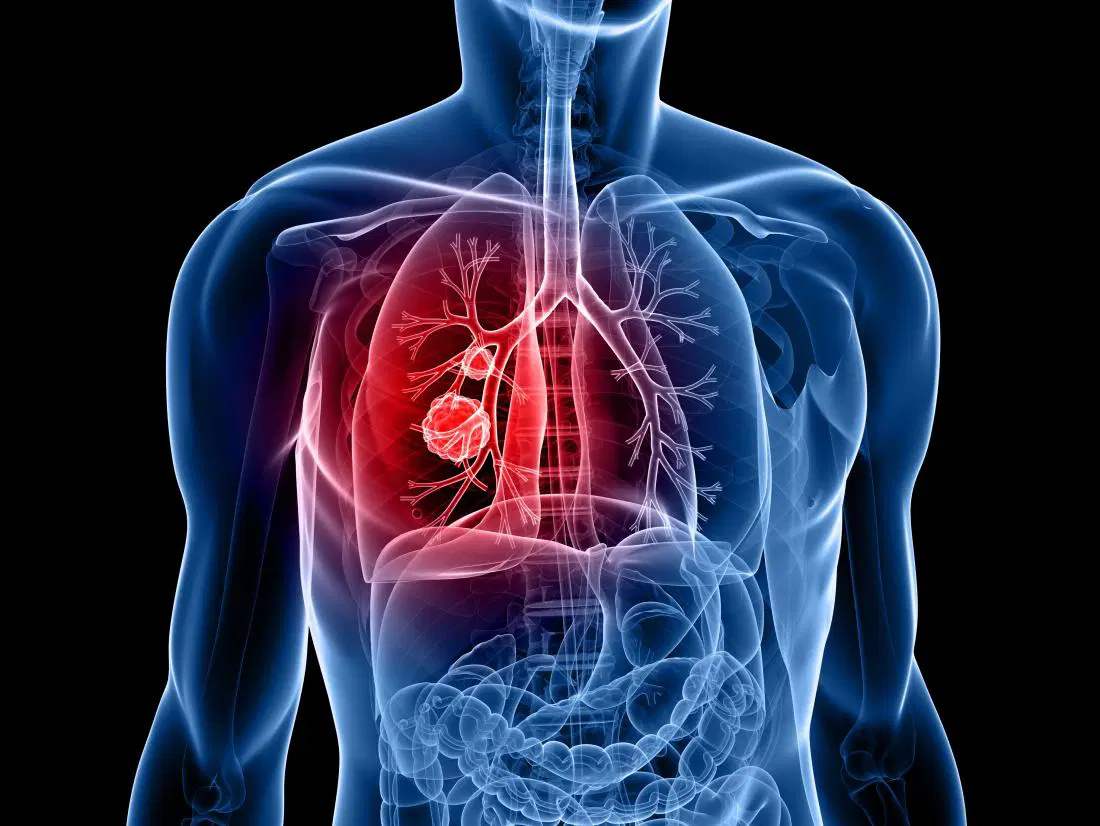
For many years, lung cancer was considered a disease that mainly affected older adults and long-term smokers. However, recent research has shown a concerning trend: more young adults, including people who have never smoked, are being diagnosed with lung cancer. Although it is still less common in younger people than in older adults, delayed diagnosis can make treatment more difficult.
One of the biggest reasons is that early symptoms are often mild, mistaken for common illnesses, or ignored altogether.
Why Is Lung Cancer Affecting More Young People?
Several factors may contribute to lung cancer in younger adults:
- Smoking and vaping: Cigarette smoking remains the leading risk factor. Vaping is still being studied, but exposure to harmful chemicals may also pose risks.
- Secondhand smoke: Living or working around smokers increases lung cancer risk.
- Air pollution: Long-term exposure to polluted air and fine particulate matter may increase the likelihood of lung disease and cancer.
- Genetic factors: Some people inherit genetic changes that make them more susceptible.
- Radon gas exposure: Radon is a naturally occurring radioactive gas that can accumulate indoors and is a known cause of lung cancer.
- Occupational exposure: Contact with asbestos, diesel exhaust, silica dust, and certain industrial chemicals can increase risk.
- Previous radiation therapy: Radiation to the chest for other conditions may slightly raise future lung cancer risk.
Why Early Symptoms Are Often Ignored
The early signs of lung cancer are usually subtle and may resemble common conditions such as:
- Seasonal allergies
- Common cold
- Viral infections
- Asthma
- Bronchitis
- Acid reflux
Because of this, many people delay seeking medical care until symptoms become more serious.
Early Warning Signs You Should Never Ignore
1. Persistent Cough
A cough lasting more than three weeks, especially one that changes over time or worsens, should be evaluated.
2. Coughing Up Blood
Even a small amount of blood in mucus is considered a warning sign and should be assessed promptly.
3. Shortness of Breath
Difficulty breathing during everyday activities that previously caused no problems can indicate an underlying lung issue.
4. Chest Pain
Pain in the chest, shoulder, or back that persists or worsens—especially with deep breathing or coughing—deserves medical attention.
5. Unexplained Weight Loss
Losing weight without changes in diet or exercise can be associated with several medical conditions, including cancer.
6. Constant Fatigue
Ongoing tiredness that does not improve with rest may be a symptom of many illnesses, including lung cancer.
7. Recurrent Chest Infections
Repeated episodes of pneumonia or bronchitis may warrant further investigation.
8. Hoarseness
A voice that remains hoarse for several weeks without an obvious cause should be evaluated.
9. Wheezing
Persistent wheezing that is new or unexplained may indicate narrowing or blockage of the airways.
10. Bone Pain or Headaches
If lung cancer has spread, symptoms such as bone pain, persistent headaches, or neurological changes may occur. These are generally signs of more advanced disease.
Who Is at Higher Risk?
Although anyone can develop lung cancer, the risk is higher in people who:
- Smoke or previously smoked
- Use tobacco products
- Are exposed to secondhand smoke
- Live in areas with significant air pollution
- Have a family history of lung cancer
- Are exposed to radon gas
- Work around asbestos or other carcinogens
- Have chronic lung diseases
Why Early Detection Matters
When lung cancer is detected at an early stage:
- Treatment options are often more effective.
- Surgery may be possible.
- Survival rates are generally much better than when the disease is found after it has spread.
- Quality of life may be improved with earlier intervention.
How to Reduce Your Risk
- Do not smoke, and if you do smoke, seek support to quit.
- Avoid secondhand smoke whenever possible.
- Test your home for radon where recommended.
- Wear appropriate protective equipment if exposed to hazardous substances at work.
- Exercise regularly.
- Eat a balanced diet rich in fruits and vegetables.
- Reduce exposure to air pollution when possible.
- Keep up with routine healthcare and discuss persistent symptoms with a clinician.
Common Myths
Myth: Only smokers get lung cancer.
Fact: While smoking is the leading cause, people who have never smoked can also develop lung cancer.
Myth: Young people don’t get lung cancer.
Fact: Lung cancer is less common in younger adults, but it can occur, and diagnoses in younger people do happen.
Myth: A cough is always harmless.
Fact: Most coughs are not caused by cancer, but a persistent or changing cough should be checked by a healthcare professional.
When Should You See a Doctor?
Arrange a medical evaluation if you have:
- A cough lasting more than three weeks
- Coughing up blood
- Persistent chest pain
- Unexplained weight loss
- Ongoing shortness of breath
- Recurrent lung infections
- Hoarseness that lasts several weeks
- Symptoms that persist, worsen, or keep returning
Most of these symptoms are caused by conditions other than lung cancer, but they should not be ignored.
Conclusion
Lung cancer does not always present with dramatic symptoms, especially in its early stages. While it remains much more common in older adults and smokers, younger people can also be affected. Paying attention to persistent warning signs and seeking medical evaluation when symptoms do not improve can lead to earlier diagnosis and better treatment outcomes. Staying informed, reducing known risk factors, and avoiding delays in medical care are practical steps that can help protect lung health.

