



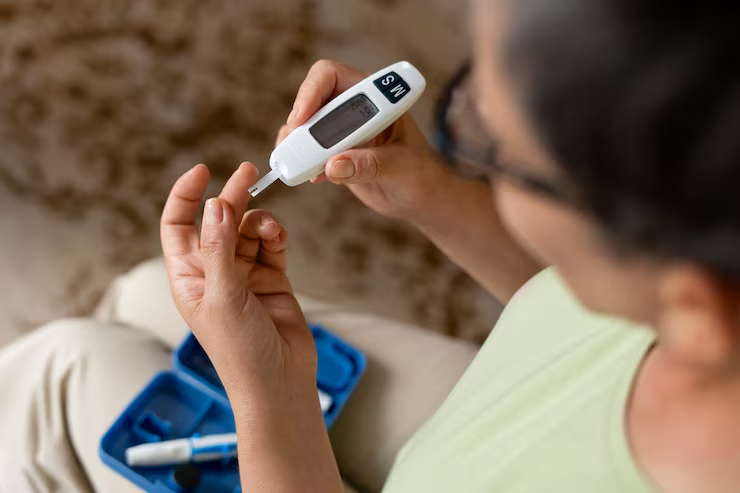
Diabetes is a condition in which blood sugar levels become higher than normal because the body does not produce enough insulin or cannot use insulin properly. In its early stages, diabetes may cause symptoms that people often confuse with tiredness, dehydration, ageing or everyday health problems.
Recognising these warning signs early can help people get tested and begin treatment before complications develop.
7 Early Signs of Diabetes You Should Never Ignore
1. Frequent Urination
If you find yourself visiting the bathroom more often than usual, especially at night, it could be an early sign of diabetes. When blood sugar levels become too high, the kidneys work harder to remove excess glucose through urine, increasing urination.
2. Excessive Thirst
Feeling thirsty even after drinking enough water may indicate high blood sugar. Frequent urination causes the body to lose more fluids, leading to dehydration and a persistent feeling of thirst. People often mistake this for hot weather or inadequate water intake.
3. Constant Tiredness and Weakness
Feeling exhausted despite getting enough sleep can sometimes be linked to diabetes. When insulin does not work properly, glucose cannot enter the body’s cells efficiently to provide energy. As a result, a person may experience persistent fatigue and weakness.
4. Increased Hunger
Feeling hungry shortly after eating a full meal can be another warning sign. Even when glucose levels are high in the blood, the body’s cells may not receive enough energy because insulin is not functioning properly. This can make a person feel hungry more frequently.
5. Blurred Vision
Sudden or occasional blurry vision may be mistaken for eye strain or excessive screen time. However, high blood sugar can cause fluid changes in the eye lens, affecting its ability to focus properly. If vision changes happen repeatedly, an eye check and blood sugar test are important.
6. Slow Healing of Cuts and Wounds
If small cuts, scratches or wounds take unusually long to heal, it could be associated with diabetes. High blood sugar can affect blood circulation and the body’s ability to fight infections, making the healing process slower.
7. Frequent Skin and Urinary Infections
Repeated urinary tract infections (UTIs), skin infections and fungal infections may sometimes be linked to high blood sugar. People often treat these as ordinary infections without considering that uncontrolled glucose levels could be contributing to the problem.
Other Warning Signs to Watch For
- Unexplained Weight Loss: Losing weight without changing your diet or exercise routine can sometimes indicate that the body is not using glucose properly for energy.
- Tingling or Numbness: A burning, tingling or numb sensation in the hands and feet may indicate nerve damage associated with prolonged high blood sugar.
- Dark Skin Patches: Dark, thickened skin around the neck, armpits or groin may be a sign of insulin resistance.
When Should You Get a Diabetes Test?
If you notice these symptoms repeatedly, consult a healthcare professional. A doctor may recommend:
- Fasting Blood Sugar Test: Measures blood glucose after an overnight fast.
- HbA1c Test: Shows the average blood sugar level over approximately the previous three months.
- Post-meal Blood Sugar Test: Measures blood glucose after eating.
Important: Having one or more of these symptoms does not automatically mean you have diabetes. Some people with type 2 diabetes may have no noticeable symptoms in the early stages, so appropriate screening is important. If you experience vomiting, abdominal pain, deep or rapid breathing, or confusion along with these symptoms, seek emergency medical attention.
Conclusion: Diabetes does not always begin with obvious symptoms. Signs that look like ordinary tiredness, thirst, hunger or minor infections should not be ignored when they persist. Early testing and timely treatment can help prevent serious complications.

