



Introduction
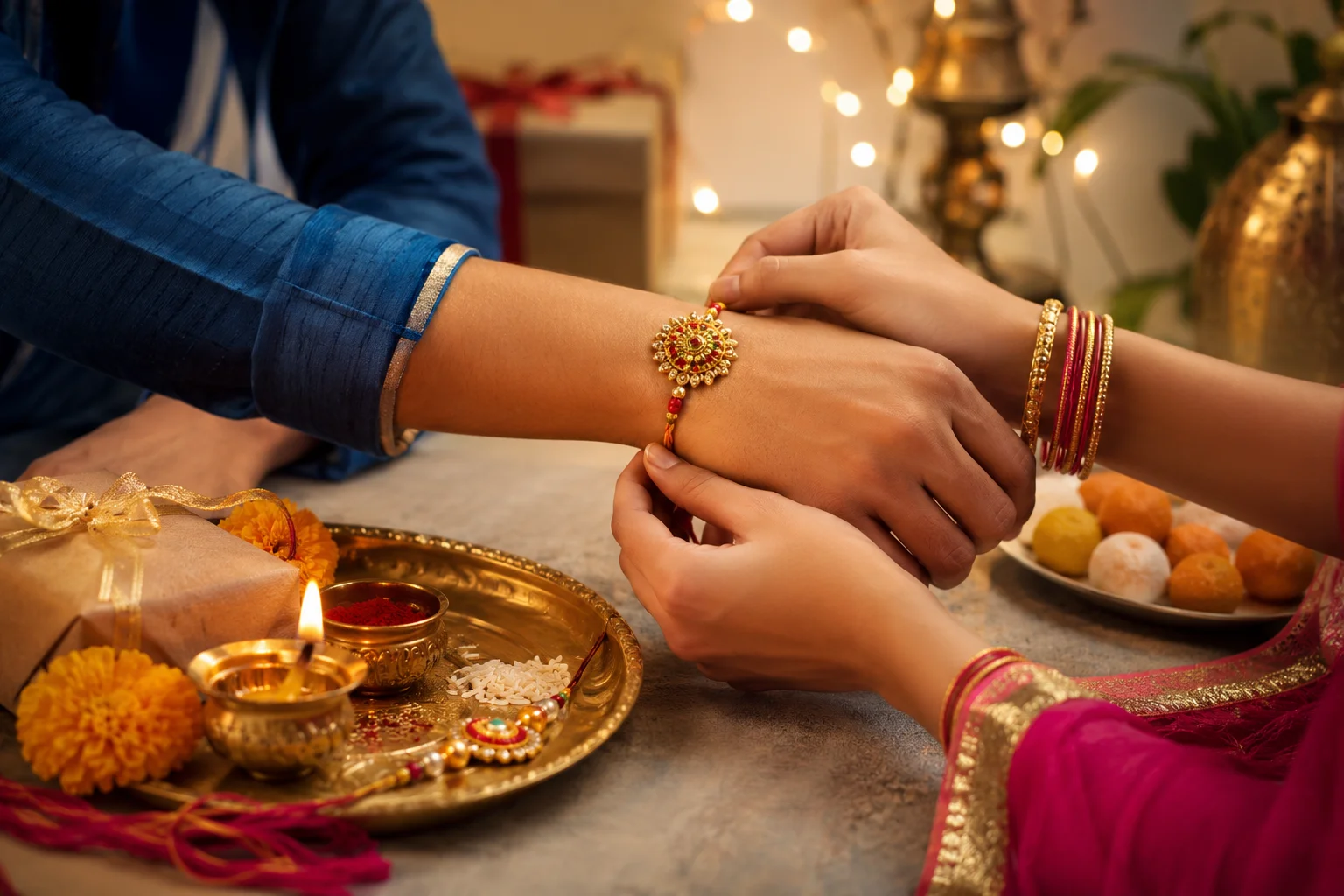
Raksha Bandhan is one of those festivals where emotions and food go hand in hand. A sister ties the rakhi, a brother promises to stand by her, gifts are exchanged, family members gather together—and, of course, a plate of sweets appears almost immediately.
From laddoos, barfi and kaju katli to gulab jamun, rasgulla and peda, traditional sweets are an important part of the celebration. There is nothing wrong with enjoying a festive sweet occasionally. In fact, food is part of the joy of festivals.
The problem begins when one small celebration turns into an entire day—or several days—of excessive sweets, fried snacks, sugary drinks and overeating.
This Raksha Bandhan, there is a better way to celebrate: keep the love, keep the taste, but make a few smarter food choices.
Instead of filling the festive table only with sugar-rich and deep-fried foods, add homemade sweets, fruits, nuts, roasted snacks, protein-rich options and refreshing low-sugar drinks.
After all, one of the most beautiful ways to show love for your sibling is to care about their health too.
Why Should You Make Healthier Choices on Rakhi?
Festivals are occasional events, but festive eating can sometimes continue for days.
A typical celebration may involve:
- Breakfast followed by sweets
- Tea and packaged snacks
- A heavy lunch
- Another round of sweets when relatives arrive
- Fried snacks in the evening
- Sugary beverages
- A large dinner
- Leftover sweets being eaten for several days
When all of these are consumed together, the overall intake of added sugar, saturated fat, sodium and calories can become quite high.
The World Health Organization recommends limiting free sugars to less than 10% of total daily energy intake, with additional benefits associated with reducing intake further to around 5%.
This doesn’t mean that your Rakhi celebration needs to become restrictive.
It simply means that moderation matters.
1. Choose Homemade Dry-Fruit Laddoos
Dry-fruit laddoos can be a wonderful festive alternative when prepared thoughtfully at home.
You can use:
- Almonds
- Walnuts
- Pistachios
- Cashews
- Pumpkin seeds
- Sunflower seeds
- Sesame seeds
- Dates
- Unsweetened coconut
Dates can provide sweetness, allowing you to reduce the amount of added sugar.
Nuts and seeds also provide protein, fiber and unsaturated fats.
However, don’t make the mistake of assuming that you can eat unlimited quantities simply because the laddoos contain nuts and dates. These ingredients are nutritious but also energy-dense.
One small laddoo can be enough to satisfy the festive craving.
2. Try a Healthier Coconut Laddoo
Coconut laddoos are another easy homemade option.
Instead of making an extremely sweet version with large quantities of sugar or condensed milk, you can experiment with:
- Unsweetened grated coconut
- Milk or an appropriate dairy alternative
- Dates or a small quantity of another sweetener
- Chopped nuts
- Seeds
The advantage of making them yourself is that you control the recipe.
You decide how sweet they should be, how much fat to use and what ingredients go into them.
3. Make Dates the Star of Your Sweet
Dates can be useful in homemade festive desserts because they provide natural sweetness and can reduce the need for added sugar.
You can combine dates with nuts and seeds to prepare small energy bites or laddoos.
For example, a simple homemade combination could include:
Dates + almonds + walnuts + sesame seeds + coconut
Blend or process the ingredients, shape them into small balls and refrigerate.
The result is still a sweet treat—but with ingredients that offer more nutritional value than a dessert made primarily from refined sugar.
Remember, however, that the naturally occurring sugars in dates still contribute to total sugar intake, so portion size remains important.
4. Prepare a Less-Sweet Kheer
There is no need to remove traditional Indian desserts from the Rakhi menu.
Instead, modify them.
Kheer can be prepared using rice, milk, nuts and spices, with the sweetness adjusted according to taste.
You can also experiment with ingredients such as:
- Oats
- Millets
- Brown rice
- Chia seeds
- Nuts and seeds
The goal isn’t to make kheer taste like a “diet dessert.”
The goal is simply to avoid making it unnecessarily sweet.
Over time, your taste buds can adjust to lower levels of sweetness.
5. Serve Fresh Fruit With the Desserts
A colorful fruit platter can make the festive table look attractive while adding nutritional variety.
Choose seasonal fruits such as:
- Apples
- Pomegranate
- Pears
- Papaya
- Bananas
- Melons
- Oranges
- Berries, when available
You can serve fruit on its own or with plain unsweetened yogurt and a small amount of chopped nuts.
Try not to turn the fruit into another sugar-heavy dessert by adding large quantities of syrup, sweetened cream or condensed milk.
6. Replace Some Fried Snacks With Roasted Options
Rakhi celebrations often bring samosas, pakoras, kachori, bhujia and other fried snacks to the table.
Having them occasionally is not automatically unhealthy, but eating several fried items along with sweets can make the meal extremely heavy.
Instead, add roasted snacks such as:
- Roasted makhana
- Roasted chickpeas
- Roasted peanuts
- Dry-roasted nuts
- Homemade popcorn
- Baked vegetable cutlets
- Roasted corn
These can provide more variety without making every snack deep-fried.
7. Make Roasted Makhana a Festive Snack
Makhana, also known as fox nuts, is an easy snack to prepare.
Lightly roast it and season it with spices such as:
- Black pepper
- Cumin
- Turmeric
- Chilli powder
- A small amount of salt
Use a moderate amount of ghee or oil rather than heavily coating the entire batch.
A bowl of seasoned roasted makhana can be placed on the table alongside traditional namkeen.
8. Add Protein-Rich Snacks
A festive snack spread doesn’t have to consist entirely of carbohydrates and sweets.
Adding protein-rich options can make the meal more balanced.
Depending on dietary preferences, consider:
- Roasted chickpeas
- Sprouts
- Plain yogurt
- Paneer
- Lentil-based snacks
- Nuts
- Seeds
- Unsweetened Greek-style yogurt
You can prepare a simple yogurt dip with herbs and spices and serve it with vegetable sticks.
9. Don’t Forget About Vegetables
Festivals often mean that vegetables disappear from the plate while sweets and snacks take center stage.
Try to include vegetables in the main meal.
A colorful salad, cooked vegetable dish or mixed vegetable preparation can add fiber and micronutrients to the meal.
The goal is not to make the celebration overly “healthy.” It is simply to ensure that the festive plate still resembles a balanced meal.
10. Be Careful With Sugary Drinks
You may carefully control your sweet intake and still consume a large amount of sugar through beverages.
Soft drinks, packaged juices, sweetened shakes and sugary mocktails can add substantial amounts of free sugar.
Instead, consider:
- Plain water
- Sparkling water
- Lemon water with little or no added sugar
- Chaas
- Unsweetened coconut water
- Unsweetened tea
WHO’s healthy-diet guidance recommends limiting free sugars, including sugars added to foods and beverages as well as sugars naturally present in honey, syrups and fruit juices.
11. Don’t Skip Meals Before the Celebration
One common mistake is thinking:
“I’ll skip lunch because I’m going to eat sweets in the evening.”
This can backfire.
Arriving at a celebration extremely hungry may make it much easier to overeat sweets, fried snacks and large portions.
Instead, eat your normal meals.
A balanced meal containing vegetables, protein and a suitable source of whole or minimally processed carbohydrates can help you approach the celebration without extreme hunger.
12. Practice Portion Control, Not Food Fear
Healthy eating does not mean that you have to reject every traditional sweet.
If kaju katli is your favorite Rakhi sweet, enjoy a small piece.
If your sibling loves gulab jamun, one serving can be part of the celebration.
The important thing is not to turn one sweet into five or six servings simply because “it’s a festival.”
A useful approach is:
Choose your favorite → take a small portion → eat it slowly → enjoy it fully.
You don’t need to taste every dessert available.
13. Avoid the “Healthy Sweet” Trap
The word “healthy” on a sweet doesn’t automatically make it healthy.
A dessert can be made with dates, jaggery, honey, nuts or coconut and still contain substantial calories and sugars.
Jaggery is not a magical substitute for sugar.
Honey is not calorie-free.
Dates are nutritious but still contain naturally occurring sugars.
Nuts are nutrient-rich but energy-dense.
Therefore, instead of asking only:
“Is this sweet healthy?”
also ask:
“How much am I eating, and how often?”
That is a much more useful way to think about festive food.
14. What About Sugar-Free Sweets?
Sugar-free does not automatically mean low-calorie or nutritionally superior.
Some products replace sugar with artificial or non-sugar sweeteners while still containing considerable amounts of fat, flour, nuts or other calorie-containing ingredients.
Some sugar alcohols can also cause digestive discomfort when consumed in large amounts.
If you’re buying packaged sweets, check the nutrition information and ingredient list instead of relying entirely on marketing claims.
15. Read Labels When Buying Packaged Snacks
If you’re buying sweets or snacks from a store, look at:
- Added sugar
- Total sugar
- Saturated fat
- Sodium
- Serving size
- Ingredient list
- Portion information
Be particularly careful with large festive gift boxes.
A large box may encourage repeated eating simply because the sweets are available.
A smaller assortment can make portion control much easier.
16. Be Extra Careful With Diabetes
If your sibling has diabetes, don’t treat Rakhi as a reason to ignore their dietary needs.
People with diabetes can have different nutritional requirements depending on their condition, medication, blood-glucose control and overall health.
Rather than saying:
“It’s Rakhi, eat whatever you want.”
support them in making choices that fit their individual diabetes-management plan.
If they want a traditional sweet, a small portion may sometimes be incorporated into their overall eating plan, but they should follow the advice given by their doctor or dietitian.
17. Consider Other Health Conditions Too
Your sibling may have dietary restrictions that aren’t immediately visible.
For example, someone may need to monitor:
- Sodium
- Saturated fat
- Sugar or carbohydrate intake
- Certain allergens
- Specific foods because of kidney or heart conditions
Therefore, don’t assume that a particular “healthy” sweet is suitable for everyone.
If someone has a medical condition or prescribed diet, their healthcare professional’s advice should take priority over general festive-food advice.
18. Make the Rakhi Gift Healthier Too
A Rakhi gift doesn’t have to be a huge box of sweets.
You could create a thoughtful wellness-themed hamper containing:
- Mixed nuts
- Seeds
- Small quantities of dried fruit
- Homemade snacks
- Fresh fruit
- Unsweetened tea
- A reusable water bottle
- A personalized healthy treat
The gift becomes more personal when it communicates:
“I want you to stay happy, healthy and strong.”
19. Don’t Turn Healthy Eating Into a Competition
It’s also important not to judge your sibling for eating traditional sweets.
Festivals are emotional occasions.
Food has cultural, social and family significance.
Saying things like “You shouldn’t eat that” or “That’s unhealthy” repeatedly can take away from the joy of the celebration.
Instead, lead by example.
Put healthier options on the table, enjoy them yourself and allow everyone to make their own choices.
20. Stay Active
Food is only one part of a healthy lifestyle.
After a family meal, consider taking a relaxed walk together.
It doesn’t need to become a workout.
A short walk can provide an opportunity to spend time together while adding some movement to the day.
You can also make the celebration more active by playing games, dancing or simply spending time outdoors when weather conditions permit.
21. Don’t Turn One Festive Day Into a Week of Overeating
Rakhi may be one day, but sweets often remain at home for several days afterward.
This is where moderation becomes difficult.
Instead of continuously eating sweets because they are available, keep portions small and return to your usual balanced eating routine after the celebration.
A single festive meal is very different from several days of excessive snacking.
22. A Healthy Rakhi Celebration Menu
If you want a practical menu, here’s one way to balance traditional foods with healthier choices.
Welcome Drink
- Chaas
- Lemon water with minimal added sugar
- Plain water
- Unsweetened beverage
Snacks
- Roasted makhana
- Roasted chickpeas
- Nuts and seeds
- Fresh fruit
- Vegetable sticks with yogurt dip
Main Meal
Include:
- A vegetable dish
- Dal, beans or another protein source
- Roti or another suitable whole-grain option
- Rice in a moderate portion
- Yogurt or another appropriate accompaniment
- Salad
Dessert
Choose one:
- Small homemade dry-fruit laddoo
- Reduced-sugar kheer
- Coconut laddoo
- Fresh fruit with plain yogurt
- A small portion of your favorite traditional sweet
This approach keeps the celebration festive without making every item extremely rich.
23. A Simple Rakhi Food Rule: 80/20 Thinking
You don’t have to follow a perfect diet during a festival.
A practical approach is to make most of the meal nutritious while leaving some room for celebration foods.
For example:
Mostly: vegetables, protein-rich foods, fruits, whole grains, nuts and minimally processed foods.
Sometimes: sweets, fried snacks and richer festive dishes.
This makes healthy eating sustainable rather than restrictive.
24. The Emotional Side of Food Matters Too
Food isn’t just fuel.
On Raksha Bandhan, a sweet may remind you of childhood, family gatherings, your grandmother’s kitchen or a particular tradition.
That emotional connection matters.
Healthy eating should therefore not mean removing all traditional foods from your life.
Instead, preserve the traditions that matter and gradually make them more balanced.
You can even involve your sibling in preparing healthier versions together.
That turns food preparation into another part of the celebration.
25. Make Health a Part of the Rakhi Promise
The rakhi symbolizes protection, affection and responsibility.
Traditionally, the festival celebrates the bond between siblings.
Today, that bond can also include supporting each other’s well-being.
That doesn’t mean controlling what your sibling eats.
It means:
- Encouraging healthier habits
- Cooking nutritious food together
- Going for walks together
- Supporting good sleep
- Staying active
- Avoiding excessive smoking or alcohol where relevant
- Being there for each other during difficult times
Health is not a one-day gift.
It is something siblings can support throughout the year.
Frequently Asked Questions
Can I eat traditional sweets on Raksha Bandhan?
Yes. For most healthy people, an occasional traditional sweet can be part of a balanced diet. The key is moderation, portion size and overall dietary pattern.
Is jaggery healthier than white sugar?
Jaggery is less refined and may contain small amounts of minerals, but it is still a concentrated source of sugar. It should not be treated as a free pass to consume unlimited sweets.
Are dates a healthy alternative to sugar?
Dates contain fiber and micronutrients along with naturally occurring sugars. They can be useful for sweetening homemade foods, but portion size still matters.
Are dry-fruit laddoos healthy?
They can be nutrient-rich, particularly when made with nuts and seeds and without excessive added sugar. However, they can also be calorie-dense, so one or two small portions are generally more sensible than unlimited consumption.
Should I completely avoid sweets if I want to stay healthy?
Not necessarily. For most people, occasional treats can fit into an overall healthy eating pattern. The focus should be on moderation rather than unnecessary restriction.
What is the best Rakhi sweet?
There is no single “healthiest” sweet for everyone. A homemade sweet with controlled added sugar and nutrient-rich ingredients such as nuts, seeds or fruit can be a better choice than an extremely sugar-heavy dessert, but portion size still matters.
The Real Meaning of a Healthy Rakhi
At the end of the day, Raksha Bandhan isn’t about how many sweets you eat.
It’s about the relationship behind the sweet.
A sister tying a rakhi, a brother making a promise, siblings laughing about childhood memories, families sitting together and sharing food—these are the moments that make the festival special.
So don’t make the celebration unnecessarily restrictive.
Enjoy the food. Enjoy the traditions. Enjoy your favorite sweet.
But also add some healthier choices to the table.
Choose smaller portions. Drink more water. Include fruits and vegetables. Add nuts, seeds and protein-rich foods. Limit sugary beverages and avoid turning the entire festival into a day of continuous snacking.
And if you’re looking for the most meaningful Rakhi gift of all, remember this:
A sweet may satisfy your sibling’s taste buds for a few minutes—but caring about their health can benefit them for years.
This Raksha Bandhan, celebrate the bond, share the sweetness and make healthy choices together.

