



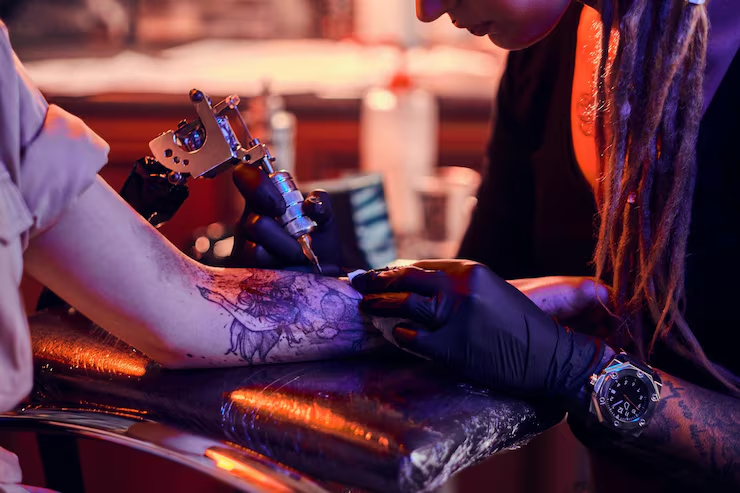
A new generation of smart tattoo technology is being developed to help detect skin cancer at a very early stage, even before visible symptoms appear. Unlike traditional tattoos, these temporary or bioengineered tattoos are designed with special biosensors that monitor changes in the skin linked to cancer development.
The tattoo works by detecting specific biomarkers—substances produced by the body when abnormal or cancerous cells begin to grow. If these biomarkers reach concerning levels, the tattoo changes color or produces another visible signal, alerting the wearer that medical evaluation may be needed.
Early detection is one of the most important factors in successfully treating skin cancer. Since many forms of skin cancer, including melanoma, can develop silently in the beginning, this technology could help identify problems long before they become noticeable through pain, itching, or visible skin changes.
Researchers believe smart tattoos could make skin cancer screening easier, more accessible, and less invasive, especially for people at high risk due to excessive sun exposure, fair skin, a family history of skin cancer, or previous skin cancer diagnoses.
However, this technology is still under research and development and is not yet a replacement for regular skin examinations or dermatologist checkups. Experts emphasize that any unusual mole, persistent skin change, or warning signal from future smart devices should always be evaluated by a healthcare professional.
If successfully approved for widespread use, smart tattoos could become a valuable tool for continuous, non-invasive monitoring, helping detect skin cancer earlier and improving treatment outcomes.

