



Dry fruits are not just tasty snacks; they are also packed with essential nutrients that support overall health. Including different dry fruits in a daily diet can be beneficial for women of all age groups. From maintaining heart health and supporting brain function to improving digestion and strengthening bones, dry fruits offer several nutritional benefits. They contain vitamins, minerals, protein, healthy fats, fibre and antioxidants that help the body function properly.
Here are seven dry fruits that can play an important role in women’s health.
1. Almonds: Support Brain and Heart Health
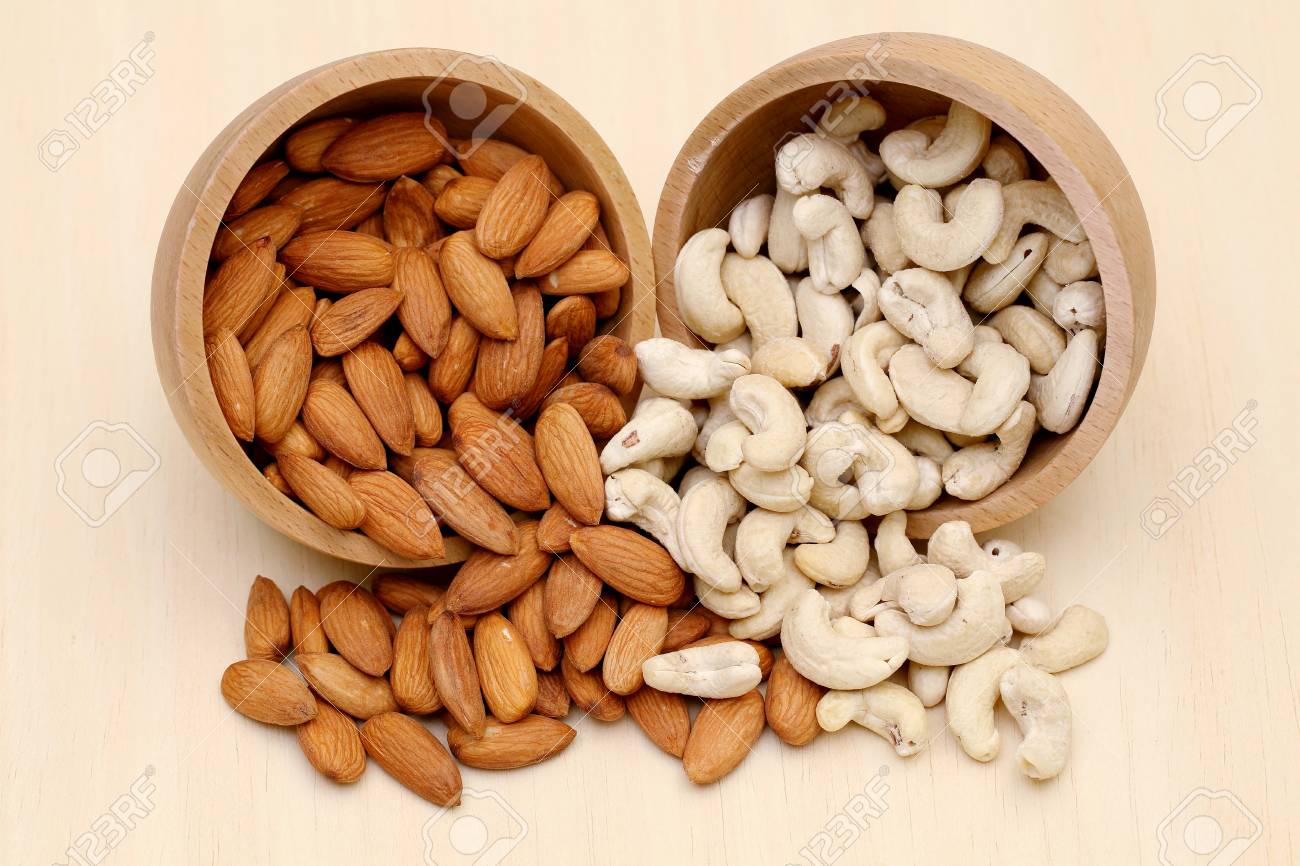
Almonds are among the most nutritious dry fruits. They are rich in vitamin E, magnesium, protein and healthy fats. Vitamin E acts as an antioxidant and helps protect body cells from damage. Almonds also provide nutrients that support normal brain and nerve function. Their healthy fats and fibre can help maintain healthy cholesterol levels. Eating a small handful of almonds can also provide energy and help keep you feeling full for longer.
2. Walnuts: Beneficial for Brain and Heart Health
Walnuts are especially known for their omega-3 fatty acid content. They contain alpha-linolenic acid (ALA), a plant-based omega-3 fat that supports heart health. These nutrients also play an important role in normal brain function. Walnuts contain antioxidants and beneficial plant compounds that help protect cells from oxidative stress. Adding walnuts to breakfast, salads or daily snacks is a simple way to improve your diet.
3. Cashews: Help Maintain Energy and Bone Health
Cashews are a good source of magnesium, zinc, copper and iron. Magnesium supports normal muscle and nerve function, while copper helps maintain healthy connective tissues. These minerals also contribute to bone health. Cashews provide protein and healthy fats, making them a nutritious snack for women with busy daily routines. However, it is better to choose plain, unsalted cashews instead of heavily salted varieties.
4. Raisins: Support Digestion and Provide Iron
Raisins are dried grapes that contain natural sugars, fibre, potassium and small amounts of iron. Their fibre content supports digestion and helps maintain regular bowel movements. Iron is essential for producing haemoglobin, which carries oxygen throughout the body. This makes iron-containing foods particularly important for women, especially during menstruation. Raisins can be included in breakfast or eaten as a snack, but moderation is important because they contain concentrated natural sugars.
5. Dates: A Natural Source of Energy
Dates are rich in natural carbohydrates, fibre, potassium and magnesium. They provide quick energy and can be a convenient snack during busy days. Their fibre content supports digestive health, while potassium helps maintain normal muscle function and fluid balance. Dates also contain antioxidants that help protect body cells. They can be added to milk, smoothies or breakfast meals as a natural sweetener.
6. Figs: Support Bone and Digestive Health
Dried figs are a good source of dietary fibre, calcium and potassium. Calcium is essential for maintaining strong bones and teeth, making calcium-rich foods important for women throughout adulthood. Figs also support digestive health because of their fibre content. Including figs in a balanced diet can help increase daily fibre intake while providing important minerals that contribute to overall well-being.
7. Pistachios: Support Immunity and Heart Health
Pistachios contain protein, fibre, vitamin B6, potassium and antioxidants. Vitamin B6 plays an important role in normal immune function and the production of red blood cells. Their healthy fats and fibre can also support heart health. Pistachios provide several essential nutrients that help the body perform its daily functions. Choosing unsalted pistachios is a healthier option for regular consumption.
How to Include Dry Fruits in Your Daily Diet?
- Eat a small handful of mixed nuts as a morning or evening snack.
- Add almonds and walnuts to your breakfast or oatmeal.
- Include raisins and chopped dates in homemade snacks.
- Add dried figs to milk, yoghurt or smoothies.
- Choose plain and unsalted dry fruits whenever possible.
- Maintain portion control because dry fruits are calorie-dense.
- Combine dry fruits with fruits, vegetables and whole grains for balanced nutrition.

