



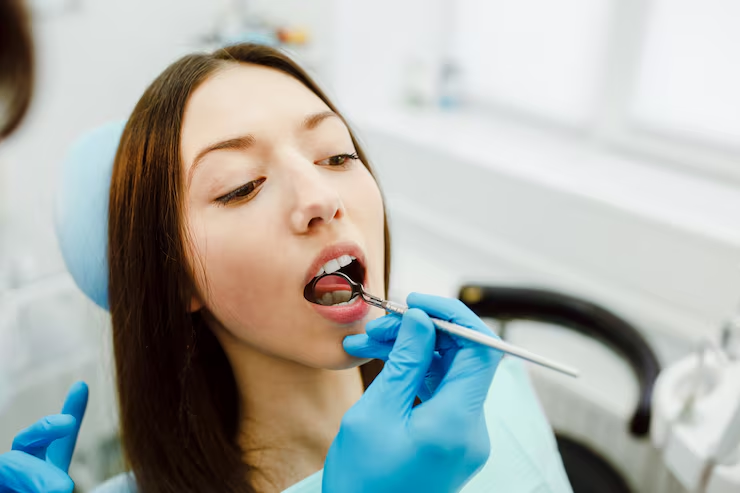
A new ultrasound-based approach could make the treatment of oral cancer more precise, less invasive, and more effective. Researchers are exploring how ultrasound can help doctors deliver treatment directly to cancer cells, improve the effectiveness of medicines, or better identify tumor boundaries during treatment.
One promising use of ultrasound is to temporarily make cancer cells more permeable, allowing anti-cancer drugs to enter them more easily. This means lower doses of medication may be needed while achieving better results, potentially reducing side effects.
Ultrasound can also help surgeons distinguish healthy tissue from cancerous tissue more accurately during surgery. This may reduce the need to remove excessive healthy tissue, helping preserve speech, swallowing, and appearance after treatment.
If further clinical studies confirm these benefits, ultrasound-assisted therapy could lead to shorter procedures, faster recovery, fewer complications, and improved quality of life for people with oral cancer.
Although the technology is still being studied and is not yet a standard treatment everywhere, early research is encouraging and offers new hope for making oral cancer treatment safer, more effective, and more patient-friendly.

