



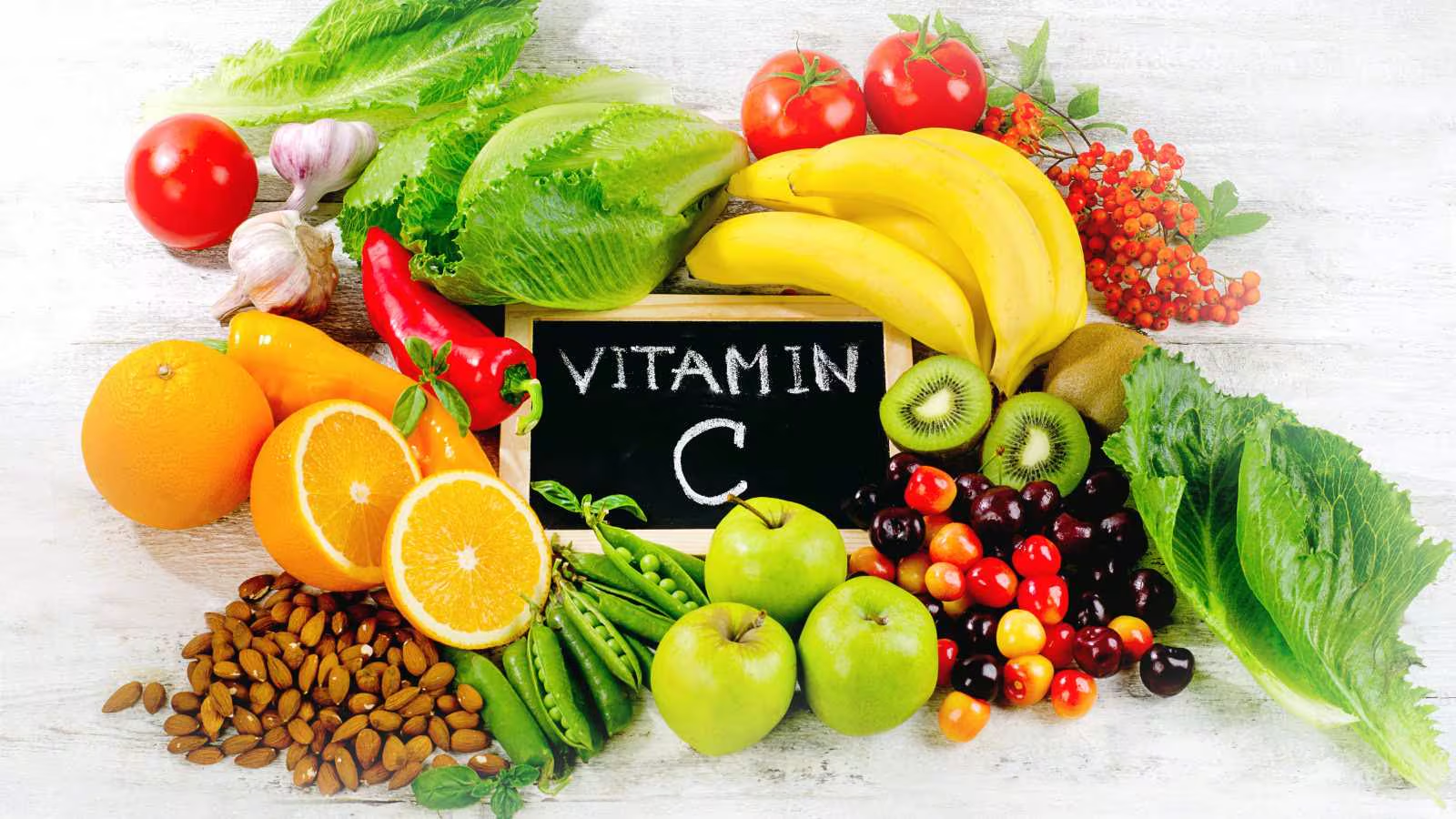
Vitamin C is one of the most essential nutrients your body needs for overall health. Also known as ascorbic acid, it plays a vital role in supporting the immune system, promoting healthy skin, aiding wound healing, improving iron absorption, and protecting cells from damage caused by free radicals. Since the human body cannot produce or store Vitamin C, it must be obtained regularly through food.
Many people reach for Vitamin C supplements or medications when they feel tired, catch a cold, or suspect a deficiency. However, in many cases, eating a variety of Vitamin C-rich foods can naturally help maintain healthy levels. While supplements may be necessary for people with diagnosed deficiencies or specific medical conditions, a balanced diet is the preferred source of this important vitamin for most healthy individuals.
What Is Vitamin C?
Vitamin C is a water-soluble vitamin, meaning your body doesn’t store large amounts of it. Any excess is generally excreted through urine, making regular intake important.
Vitamin C helps:
- Strengthen the immune system
- Produce collagen for healthy skin, bones, cartilage, and blood vessels
- Speed up wound healing
- Improve iron absorption from plant-based foods
- Protect cells from oxidative stress
- Support healthy gums and teeth
- Maintain healthy blood vessels
Signs You May Not Be Getting Enough Vitamin C
A mild deficiency can develop gradually if your diet lacks fresh fruits and vegetables.
Possible symptoms include:
- Frequent colds or infections
- Fatigue
- Slow wound healing
- Bleeding gums
- Easy bruising
- Dry or rough skin
- Joint discomfort
- Weakness
- Poor iron absorption
Severe, prolonged deficiency can lead to scurvy, a rare but serious condition.
Best Vitamin C-Rich Foods
1. Oranges
Oranges are among the best-known Vitamin C sources.
Benefits:
- Supports immunity
- Hydrates the body
- Provides fiber
- Contains antioxidants
Enjoy whole oranges rather than juice to get more fiber.
2. Guava
Guava contains even more Vitamin C than many citrus fruits.
Benefits:
- Supports immune function
- Rich in dietary fiber
- Promotes digestive health
- Contains antioxidants
3. Kiwi
Kiwi is packed with Vitamin C, potassium, and fiber.
Benefits:
- Supports digestion
- Improves skin health
- Promotes heart health
- Provides antioxidants
4. Strawberries
These colorful berries are rich in Vitamin C and plant compounds.
Benefits:
- Supports healthy skin
- Helps reduce inflammation
- Promotes heart health
- Rich in antioxidants
5. Papaya
Papaya is an excellent tropical fruit rich in Vitamin C.
Benefits:
- Aids digestion
- Supports immunity
- Promotes healthy skin
- Contains vitamin A and fiber
6. Pineapple
Pineapple contains Vitamin C along with bromelain, an enzyme that helps digest protein.
Benefits:
- Supports digestion
- Reduces inflammation
- Boosts immune health
7. Bell Peppers
Red, yellow, and orange bell peppers are among the richest vegetable sources of Vitamin C.
Benefits:
- Low in calories
- Rich in antioxidants
- Supports eye health
- Promotes healthy skin
Red peppers generally contain more Vitamin C than green peppers.
8. Broccoli
Broccoli provides Vitamin C along with fiber, folate, and vitamin K.
Benefits:
- Supports bone health
- Improves digestion
- Contains cancer-protective plant compounds
- Helps maintain immunity
Light steaming helps preserve nutrients.
9. Brussels Sprouts
These small vegetables are rich in Vitamin C and fiber.
Benefits:
- Supports digestion
- Provides antioxidants
- Promotes heart health
10. Tomatoes
Fresh tomatoes contribute a moderate amount of Vitamin C.
Benefits:
- Rich in lycopene
- Supports heart health
- Good for skin
11. Kale and Spinach
Leafy greens contain Vitamin C along with iron and other nutrients.
Benefits:
- Support healthy bones
- Improve overall nutrition
- Enhance iron absorption
12. Lemons and Limes
Though often consumed in smaller amounts, lemons and limes contribute Vitamin C to the diet.
Benefits:
- Refreshing hydration
- Adds flavor without excess calories
- Supports overall nutrition
How Much Vitamin C Do You Need?
Daily needs vary by age and life stage.
General recommendations:
- Adult men: 90 mg/day
- Adult women: 75 mg/day
- Pregnant women: 85 mg/day
- Breastfeeding women: 120 mg/day
- Smokers typically require an additional 35 mg/day because smoking increases Vitamin C breakdown.
How to Preserve Vitamin C in Foods
Vitamin C is sensitive to heat, air, and prolonged storage.
To retain more Vitamin C:
- Eat fruits and vegetables fresh when possible.
- Steam vegetables lightly instead of boiling them for long periods.
- Cut produce just before eating.
- Store fruits and vegetables properly.
- Avoid overcooking.
Can You Get Too Much Vitamin C?
Vitamin C from foods is generally considered safe.
High-dose supplements, however, may cause:
- Stomach upset
- Diarrhea
- Nausea
- Kidney stones in susceptible individuals
Unless advised by a healthcare professional, it’s generally best to meet your needs through a balanced diet rather than relying on large supplement doses.
Foods That Help Vitamin C Work Better
Vitamin C improves the absorption of non-heme iron found in plant foods.
Good combinations include:
- Spinach with lemon juice
- Lentils with tomatoes
- Beans with bell peppers
- Oatmeal with strawberries
- Chickpeas with broccoli
These pairings can help support healthy iron levels.
Lifestyle Tips to Maintain Healthy Vitamin C Levels
- Eat at least five servings of fruits and vegetables daily.
- Include a Vitamin C-rich food in each meal.
- Choose whole fruits over fruit juices.
- Eat a colorful variety of produce.
- Stay hydrated.
- Avoid smoking, as it increases Vitamin C requirements.
- Maintain a balanced diet with a range of nutrients.
Common Myths About Vitamin C
Myth 1: Vitamin C cures the common cold.
Evidence suggests Vitamin C does not cure colds, but regular intake may slightly reduce the duration or severity of symptoms for some people.
Myth 2: Supplements are always better than food.
For most healthy people, food is the preferred source because it provides fiber, antioxidants, and other beneficial nutrients alongside Vitamin C.
Myth 3: More Vitamin C is always better.
Your body can only use a certain amount at a time. Excessive supplementation offers little additional benefit for most people and may increase the risk of side effects.
Conclusion
Vitamin C is a key nutrient that supports immunity, skin health, wound healing, and iron absorption. The best way to maintain healthy Vitamin C levels is by eating a wide variety of fruits and vegetables such as oranges, guava, kiwi, strawberries, bell peppers, broccoli, papaya, and leafy greens. While supplements can be useful in certain situations, most people can meet their needs naturally through a balanced, colorful diet. Consistently including Vitamin C-rich foods in your meals is a simple and effective way to support long-term health.

