



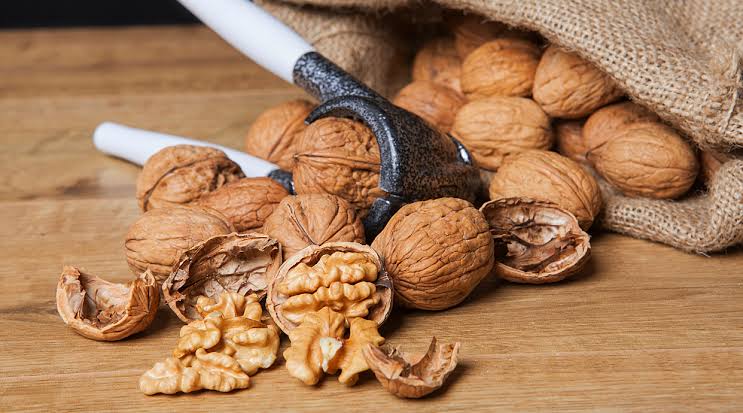
Walnuts are among the most nutrient-dense foods you can eat. Packed with healthy fats, plant-based protein, fiber, vitamins, minerals, antioxidants, and omega-3 fatty acids, they provide a wide range of health benefits. Their unique nutrient profile makes them especially valuable for supporting brain function and heart health, while also contributing to overall well-being.
Often called a “brain food” because of their brain-like appearance and beneficial nutrients, walnuts have been part of healthy diets for centuries. Modern research continues to show that regular walnut consumption may help reduce the risk of chronic diseases when included as part of a balanced diet.
This comprehensive guide explains everything you need to know about walnuts, including their nutrition, health benefits, recommended daily intake, and the best ways to enjoy them.
Nutritional Value of Walnuts
A 28-gram (1-ounce) serving, about 14 walnut halves, contains approximately:
- Calories: 185
- Protein: 4.3 g
- Healthy fats: 18.5 g
- Carbohydrates: 3.9 g
- Fiber: 1.9 g
- Omega-3 (ALA): About 2.5 g
- Magnesium
- Phosphorus
- Copper
- Manganese
- Vitamin B6
- Folate
- Vitamin E (mainly gamma-tocopherol)
- Polyphenol antioxidants
These nutrients work together to support many body systems.
1. Supports Brain Health
Walnuts are rich in alpha-linolenic acid (ALA), a plant-based omega-3 fatty acid, along with antioxidants and polyphenols that help protect brain cells from oxidative stress.
Regular walnut consumption may help:
- Support memory and learning
- Improve concentration
- Promote healthy brain aging
- Support cognitive function
While walnuts are a healthy part of a brain-friendly diet, they are not a guaranteed way to prevent memory disorders.
2. Promotes a Healthy Heart
Walnuts are one of the best nuts for heart health.
They may help:
- Lower LDL (“bad”) cholesterol
- Improve blood vessel function
- Reduce inflammation
- Support healthy blood pressure as part of an overall healthy diet
- Improve blood lipid profiles
Replacing foods high in saturated fat with walnuts can contribute to better cardiovascular health.
3. Rich in Powerful Antioxidants
Walnuts contain more polyphenol antioxidants than many other commonly eaten nuts.
Antioxidants help:
- Protect cells from free radical damage
- Slow oxidative stress
- Support healthy aging
- Reduce chronic inflammation
4. Helps Reduce Inflammation
Chronic inflammation is linked to many health conditions.
The healthy fats and polyphenols in walnuts may help reduce inflammatory markers when eaten regularly as part of a balanced diet.
5. Supports Healthy Cholesterol Levels
Studies suggest walnuts may help:
- Reduce LDL cholesterol
- Lower non-HDL cholesterol
- Improve overall cholesterol balance
The greatest benefits occur when walnuts replace less healthy snacks or sources of saturated fat.
6. May Support Healthy Blood Pressure
Because walnuts provide healthy fats, magnesium, and other beneficial compounds, they may contribute to maintaining healthy blood pressure when combined with regular exercise, a healthy weight, and a balanced eating pattern.
7. Aids Weight Management
Although walnuts are calorie-dense, they can fit into a weight-management plan.
Their combination of:
- Protein
- Fiber
- Healthy fats
helps increase fullness, which may reduce overeating.
Portion control remains important.
8. Supports Gut Health
The fiber and polyphenols in walnuts nourish beneficial gut bacteria.
A healthier gut microbiome supports:
- Digestion
- Nutrient absorption
- Immune function
- Overall health
9. Helps Regulate Blood Sugar
Walnuts are low in carbohydrates and have a low glycemic impact.
They may help improve diet quality and support blood sugar management, especially when eaten instead of refined snacks. People with diabetes should still follow individualized dietary advice.
10. Strengthens Bones
Walnuts contain minerals such as:
- Magnesium
- Phosphorus
- Copper
- Manganese
These nutrients contribute to maintaining healthy bones.
11. Supports Healthy Skin
Walnuts contain:
- Vitamin E compounds
- Healthy fats
- Antioxidants
These nutrients help maintain the skin barrier and protect skin cells from oxidative damage.
12. Promotes Healthy Hair
The protein, healthy fats, zinc (in small amounts), copper, and biotin-related nutrients found in walnuts contribute to normal hair health as part of an overall nutritious diet.
13. May Support Better Sleep
Walnuts naturally contain small amounts of:
- Melatonin
- Magnesium
These may support healthy sleep patterns in some people, although walnuts should not be considered a treatment for insomnia.
14. Supports Healthy Aging
The antioxidants and anti-inflammatory compounds in walnuts help protect cells and may support healthy aging.
15. A Good Plant-Based Protein Source
Walnuts provide plant protein, making them a nutritious option for:
- Vegetarians
- Vegans
- People reducing meat intake
16. Supports Immune Function
Walnuts supply nutrients important for immune health, including:
- Copper
- Vitamin B6
- Folate
- Antioxidants
A healthy immune system depends on an overall balanced diet and lifestyle.
17. Beneficial During Pregnancy
When eaten in appropriate amounts (unless medically contraindicated), walnuts provide nutrients important during pregnancy, including:
- Folate
- Omega-3 (ALA)
- Protein
- Copper
Pregnant individuals should discuss dietary needs with their healthcare provider.
18. Easy to Include in Your Diet
Walnuts can be enjoyed in many ways:
- Eat them as a snack
- Add to oatmeal
- Sprinkle on salads
- Mix into yogurt
- Blend into smoothies
- Add to homemade granola
- Use in baking
- Mix into trail mix
- Stir into vegetable dishes
- Add to whole-grain cereals
Should Walnuts Be Soaked?
Some people prefer soaking walnuts overnight.
Possible benefits include:
- Softer texture
- Reduced bitterness
- Easier chewing
However, there is limited scientific evidence that soaking significantly improves nutrient absorption for most people.
How Many Walnuts Should You Eat Daily?
A common recommendation is about:
28 grams (1 ounce)
This equals roughly:
14 walnut halves (7 whole walnuts)
This serving provides health benefits without adding excessive calories.
Best Time to Eat Walnuts
Walnuts can be eaten:
- At breakfast
- As a mid-morning snack
- Before workouts
- After exercise
- With evening meals
- As part of healthy desserts
The best time is the time you can consistently include them in a balanced diet.
Who Should Be Careful?
Walnuts may not be suitable for everyone.
Exercise caution if you:
- Have a tree nut allergy
- Need to limit calorie intake and are not accounting for portion size
- Have been advised by your healthcare provider to avoid specific foods
Storage Tips
To keep walnuts fresh:
- Store in an airtight container.
- Keep in a cool, dry place.
- Refrigerate or freeze for longer storage.
- Avoid prolonged exposure to heat and sunlight.
Because walnuts contain unsaturated fats, they can become rancid if stored improperly.
Frequently Asked Questions (FAQs)
Are walnuts good for the brain?
Yes. Walnuts provide omega-3 (ALA), antioxidants, and polyphenols that support normal brain function and healthy aging.
Do walnuts improve heart health?
They can. Regular walnut consumption as part of a heart-healthy diet may improve cholesterol levels and support cardiovascular health.
Can walnuts help with weight loss?
They may support weight management by increasing fullness, but portion control is important because they are calorie-dense.
Is it okay to eat walnuts every day?
For most healthy adults, a daily serving of about 1 ounce (28 g) can be part of a balanced diet.
Are soaked walnuts healthier?
Soaking changes texture and taste but has limited evidence for significant nutritional advantages.
Conclusion
Walnuts are one of nature’s most nutritious foods, offering a combination of healthy fats, plant protein, fiber, antioxidants, vitamins, and minerals. Regularly including a moderate serving of walnuts in a balanced diet may support brain function, heart health, digestion, healthy aging, and overall wellness.
While walnuts are highly nutritious, they are not a cure for disease. Their greatest benefits come when they are part of an overall healthy lifestyle that includes a varied diet, regular physical activity, adequate sleep, and routine medical care.

