



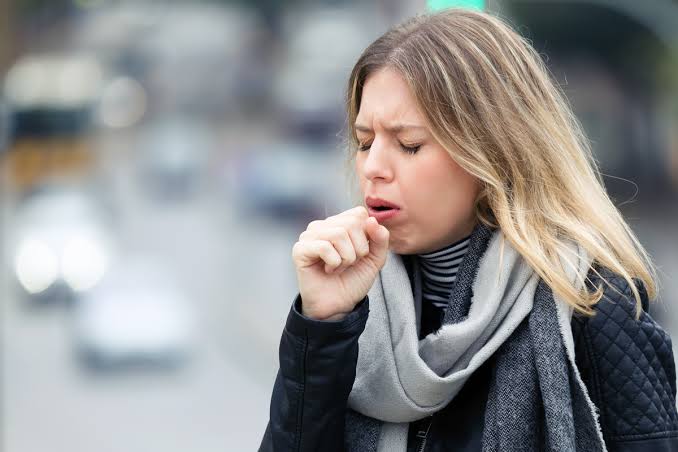
Winter brings cold temperatures, dry air and increased respiratory infections. During this season, many people experience coughing, throat irritation, congestion and breathing discomfort. While an occasional cough is usually the body’s natural way of clearing irritants and mucus from the airways, a persistent cough can interfere with sleep, daily activities and overall health.
Cold weather itself does not directly cause every cough. Viral infections, allergies, asthma, dry indoor air and exposure to dust or pollution can also contribute to winter coughing.
Making a few simple changes to your daily routine may help soothe your throat, reduce irritation and support respiratory health.
1. Drink Plenty of Warm Fluids
Keeping your body hydrated is important when you have a cough.
- Drink warm water throughout the day.
- Try warm soups and herbal drinks.
- Warm fluids may soothe an irritated throat.
- Adequate hydration helps keep mucus from becoming too thick.
Avoid drinks that irritate your throat or make your symptoms worse.
2. Include Honey in Your Daily Routine
Honey is a traditional home remedy that may help relieve coughing, particularly at night.
- Take one or two teaspoons of honey.
- Mix it with lukewarm water if preferred.
- It may soothe throat irritation.
- It can help reduce nighttime coughing.
Important: Never give honey to children younger than one year because of the risk of infant botulism.
3. Keep Your Room Air Clean and Comfortable
Dry indoor air can increase throat irritation and make coughing uncomfortable.
- Keep your room clean and dust-free.
- Avoid excessive use of room heaters.
- Maintain comfortable indoor humidity.
- Clean humidifiers regularly to prevent mould and bacterial growth.
- Avoid exposure to smoke, incense and strong fragrances.
A clean indoor environment can help reduce respiratory irritation.
4. Avoid Cold Air, Dust and Pollution
Exposure to polluted air and sudden temperature changes can trigger coughing, especially in people with sensitive airways.
- Cover your nose and mouth with a scarf in cold weather.
- Wear a well-fitting N95 mask when outdoor pollution is high.
- Avoid unnecessary outdoor activities during severe pollution.
- Keep away from cigarette smoke and other respiratory irritants.
- Check the local Air Quality Index (AQI).
Reducing exposure to irritants can help prevent repeated coughing episodes.
5. Eat a Balanced Diet Rich in Vitamins
Good nutrition supports the immune system and helps your body recover from infections.
Include these foods in your daily diet:
- Vitamin C: Oranges, amla, guava and lemons.
- Vitamin A: Carrots, spinach and sweet potatoes.
- Protein: Eggs, lentils, milk and pulses.
- Zinc: Nuts, seeds and legumes.
- Antioxidants: Seasonal fruits and vegetables.
Remember, no particular food can instantly cure a cough, but a balanced diet supports overall health.
6. Get Enough Sleep and Rest
Your body needs adequate rest to recover from infections and manage inflammation.
- Aim for 7–9 hours of sleep if you are an adult.
- Maintain a regular sleeping schedule.
- Avoid late-night screen exposure.
- Keep your head slightly elevated if coughing increases when lying down.
- Avoid excessive physical exertion while unwell.
Proper sleep supports immune function and may help improve recovery.
7. Maintain Good Hygiene and Avoid Infections
Winter is a common season for respiratory infections, including colds and flu.
Follow these simple precautions:
- Wash your hands regularly with soap.
- Avoid touching your eyes, nose and mouth with unwashed hands.
- Cover your mouth when coughing or sneezing.
- Avoid close contact with people who are sick.
- Stay up to date with recommended vaccinations, including influenza vaccination where appropriate.
These habits can help reduce the spread of respiratory infections.
When Should You Worry About a Persistent Winter Cough?
A cough does not always indicate a serious health problem, but certain symptoms should not be ignored.
Consult a doctor if:
- Your cough lasts longer than three weeks.
- You experience repeated coughing episodes at night.
- You have persistent fever.
- You notice wheezing or difficulty breathing.
- You cough up blood.
- You experience unexplained weight loss or chest discomfort.
Seek urgent medical care if you experience severe breathing difficulty, severe chest pain or blue lips.
What Causes a Winter Cough?
Some common causes include:
- Common cold and viral infections.
- Influenza (seasonal flu).
- Allergies and postnasal drip.
- Asthma and airway sensitivity.
- Dry indoor air.
- Dust and air pollution.
- Bronchitis and other respiratory infections.
The correct treatment depends on the underlying cause. Antibiotics do not treat viral infections, and persistent coughing may require medical evaluation.
Conclusion
A persistent winter cough can affect your sleep, energy levels and everyday routine. Simple habits such as drinking enough fluids, taking adequate rest, maintaining indoor air quality, eating nutritious foods and avoiding pollution can help make symptoms more manageable.
However, home remedies should not replace medical treatment when symptoms persist or become severe. Understanding the cause of your cough is the first step towards proper treatment and better respiratory health.

