



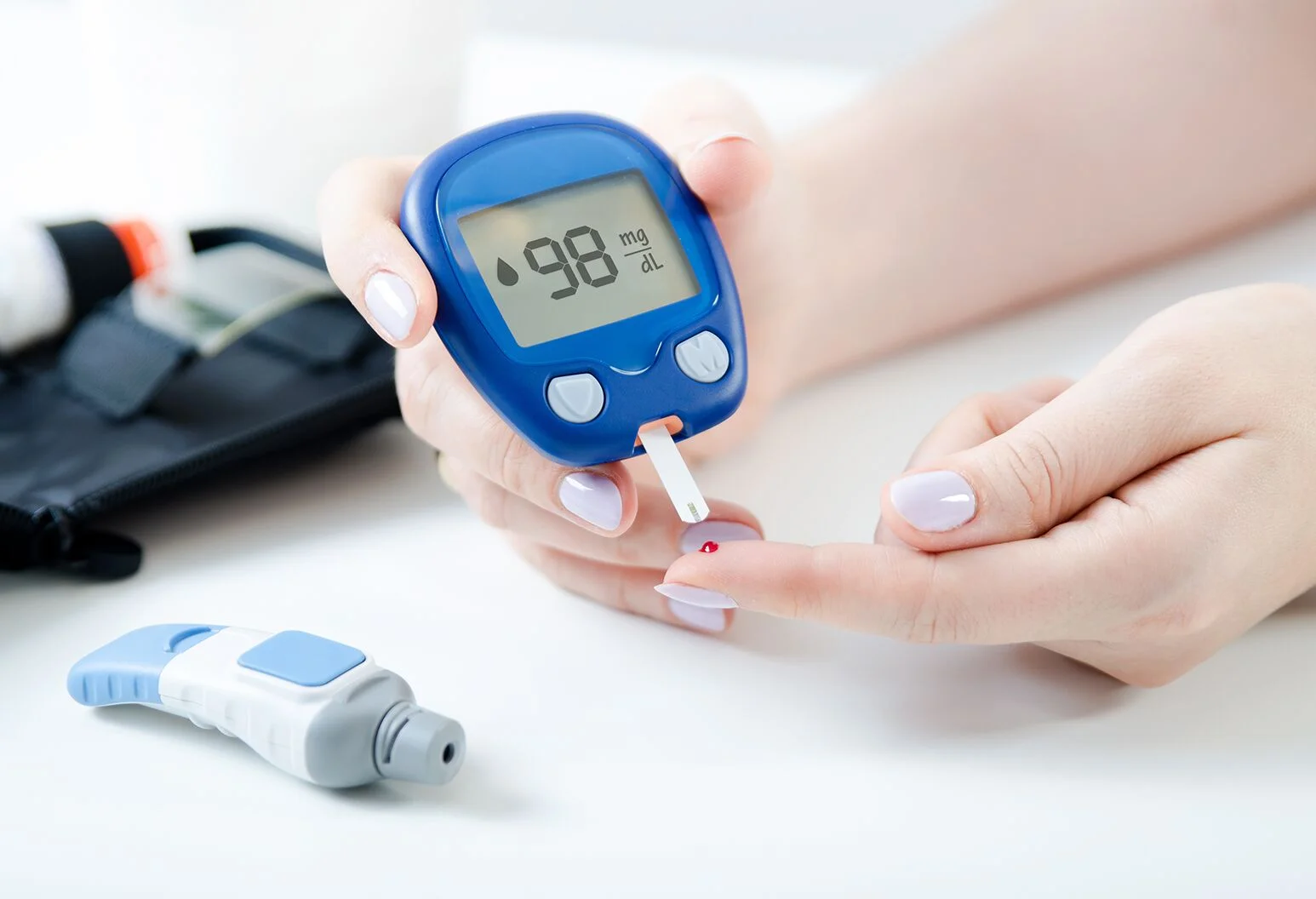
Prediabetes is a condition in which blood sugar levels are higher than normal but not yet high enough to be diagnosed as type 2 diabetes. It is an important warning sign that the body may be developing problems with insulin resistance. Without timely lifestyle changes and proper medical guidance, prediabetes can progress to type 2 diabetes, increasing the risk of heart disease, kidney problems, nerve damage and other health complications.
While maintaining a healthy diet, exercising regularly and managing body weight are well-known ways to prevent diabetes, emerging research suggests that reducing exposure to air pollution may also play an important role in metabolic health. Air pollution, particularly fine particulate matter (PM2.5), has been associated with inflammation, oxidative stress and insulin resistance.
Using an air purifier while sleeping at night may help reduce exposure to indoor airborne pollutants. Although it is not a proven treatment for prediabetes, improving indoor air quality could be an additional step towards supporting overall health.
Here are eight important ways to reduce the risk of prediabetes progressing to type 2 diabetes.
1. Use an Air Purifier While Sleeping
Air pollution can expose the body to fine particles that may contribute to inflammation and metabolic disturbances. Using an air purifier equipped with a HEPA filter in your bedroom can help reduce airborne particulate matter. Running it during the night may improve indoor air quality and reduce exposure while you sleep. However, an air purifier should be considered an additional precaution, not a substitute for established diabetes-prevention measures.
2. Monitor Your Blood Sugar Levels Regularly
People diagnosed with prediabetes should regularly monitor their blood glucose levels as advised by their healthcare provider. Tests such as fasting blood glucose and HbA1c help assess blood sugar control over time. Regular monitoring can help identify changes early and allow timely medical intervention.
3. Follow a Balanced and Low-Sugar Diet
Diet plays a major role in managing blood glucose levels. Include fibre-rich foods such as green vegetables, whole grains, pulses, nuts and fresh fruits in your daily meals. Reduce the consumption of sugary beverages, sweets, refined carbohydrates and highly processed foods. Choose balanced meals that combine fibre, protein and healthy fats to support better blood sugar management.
4. Exercise Regularly to Improve Insulin Sensitivity
Physical activity helps the body use insulin more effectively and allows muscles to absorb glucose from the bloodstream. Aim for at least 150 minutes of moderate-intensity physical activity every week, such as brisk walking, cycling or swimming. Even a 10–15-minute walk after meals can be a useful addition to your daily routine.
5. Maintain a Healthy Body Weight
Excess body weight, particularly abdominal fat, is associated with insulin resistance and an increased risk of type 2 diabetes. Losing even 5–7% of body weight, when overweight, can significantly reduce the risk of developing diabetes. Focus on sustainable dietary changes, regular exercise and healthy daily habits rather than crash diets.
6. Prioritise Quality Sleep Every Night
Poor sleep and irregular sleeping patterns can affect hormones involved in blood sugar regulation and insulin sensitivity. Aim for 7–9 hours of quality sleep every night. Maintain consistent sleeping and waking times, avoid excessive screen exposure before bedtime and create a comfortable sleeping environment. If you experience loud snoring or excessive daytime sleepiness, consult a doctor about possible sleep apnoea.
7. Manage Stress and Avoid Unhealthy Habits
Chronic stress can affect hormones such as cortisol, which may influence blood glucose levels. Practise relaxation techniques such as meditation, yoga, deep breathing or spending time outdoors. Avoid smoking and limit alcohol consumption, as these habits can negatively affect metabolic and cardiovascular health.
8. Get Regular Health Check-ups and Follow Medical Advice
Regular health check-ups are essential for people with prediabetes. Consult a healthcare professional to understand your blood sugar readings and assess other risk factors, including blood pressure and cholesterol levels. Follow the recommended treatment plan and discuss whether a structured diabetes-prevention programme or medication is appropriate for your condition.
Additional Tips to Improve Indoor Air Quality
- Keep indoor spaces clean and reduce dust accumulation.
- Avoid smoking indoors and minimise the use of products that release excessive fumes.
- Choose an air purifier suitable for your room size.
- Maintain and replace air purifier filters according to the manufacturer’s instructions.
- Ventilate your home when outdoor air quality is good.
Conclusion
Preventing prediabetes from progressing to type 2 diabetes requires consistent lifestyle changes and regular health monitoring. While research suggests that exposure to air pollution may influence insulin resistance and metabolic health, using an air purifier at night is not yet an established method of preventing diabetes. However, reducing indoor air pollution, eating a balanced diet, staying physically active, maintaining a healthy weight and getting adequate sleep can collectively support better overall health. Taking preventive steps early can make a meaningful difference in reducing your future risk of diabetes.

