



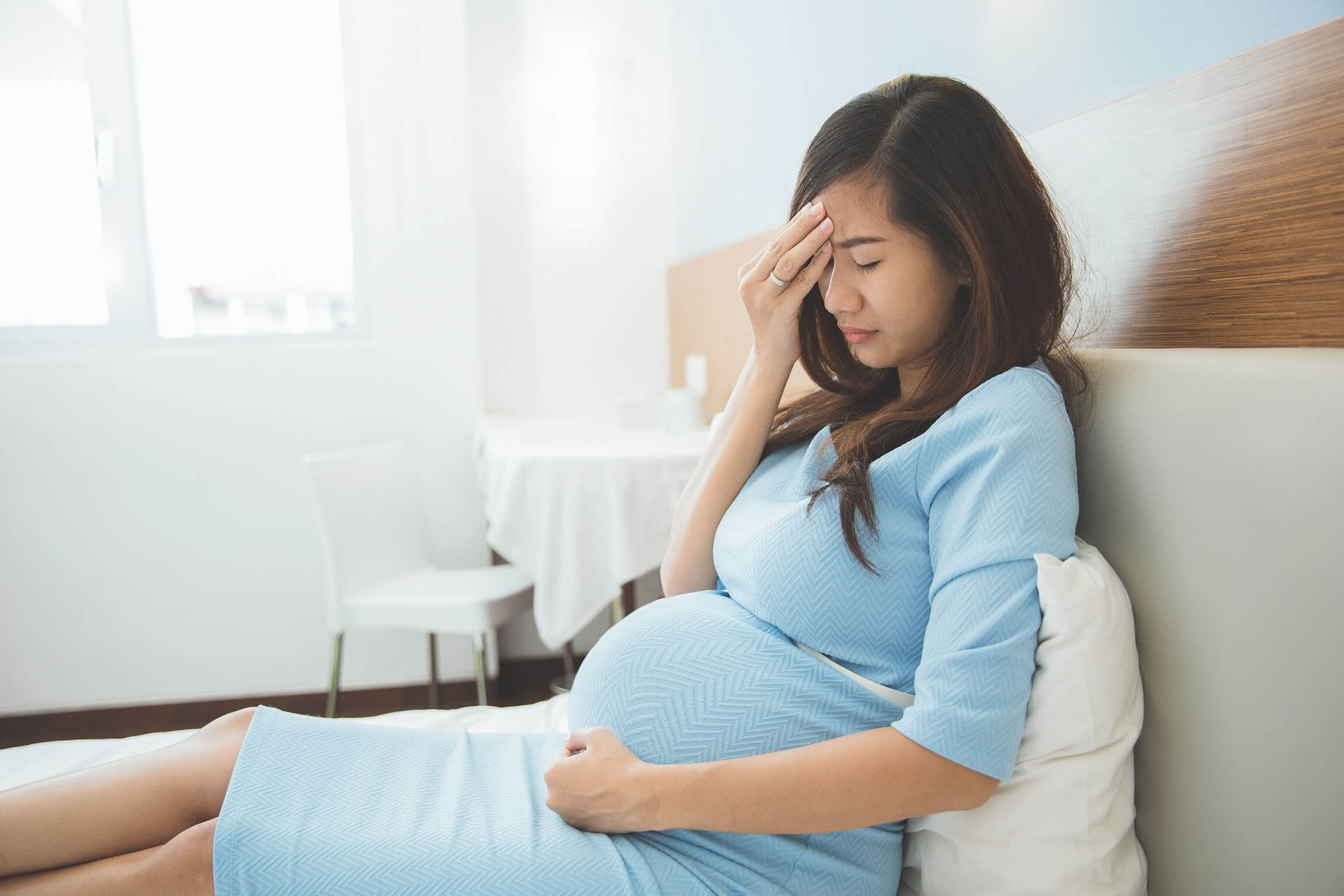
Malaria during pregnancy is considered high-risk because it affects both the mother and the unborn baby. When a pregnant woman gets malaria, the parasite infects red blood cells and can also accumulate in the placenta. This blocks the proper flow of oxygen and nutrients to the baby, which may result in premature delivery, low birth weight, or even stillbirth.
Pregnancy naturally weakens the immune system, making women more vulnerable to infections. Because of this, malaria symptoms can become severe more quickly and complications are more likely.
Why Malaria is Dangerous During Pregnancy
- Increases risk of premature birth
- Causes low birth weight baby
- Can lead to miscarriage
- May cause severe anemia in the mother
- Higher risk of baby growth restriction
- In severe cases, may lead to maternal complications
Symptoms You Should Never Ignore
- High fever with chills
- Shivering and sweating cycles
- Headache and body pain
- Nausea or vomiting
- Extreme weakness
- Dizziness
- Flu-like symptoms
Even mild fever during pregnancy should be tested immediately because malaria can worsen quickly.
How Malaria Causes Premature Delivery
- Parasites block placenta blood flow
- Baby receives less oxygen
- Nutrient supply reduces
- Body triggers early labor
- Infection causes inflammation in uterus
These factors together can lead to early contractions and preterm birth.
How to Protect Yourself
- Sleep under mosquito nets every night
- Use pregnancy-safe mosquito repellents
- Wear full-sleeve clothes in evening and night
- Avoid water stagnation near home
- Use window screens or mosquito machines
- Keep room clean and dry
- Use fan or AC to reduce mosquito activity
Extra Precautions for Pregnant Women
- Get any fever tested immediately
- Do not take medicines without doctor advice
- Drink plenty of fluids
- Attend regular pregnancy checkups
- Stay indoors during peak mosquito hours (evening & dawn)
When to See a Doctor Immediately
- Fever during pregnancy
- Continuous chills
- Reduced baby movement
- Severe weakness
- Vomiting with fever
Early treatment can prevent premature delivery and protect both mother and baby.

