



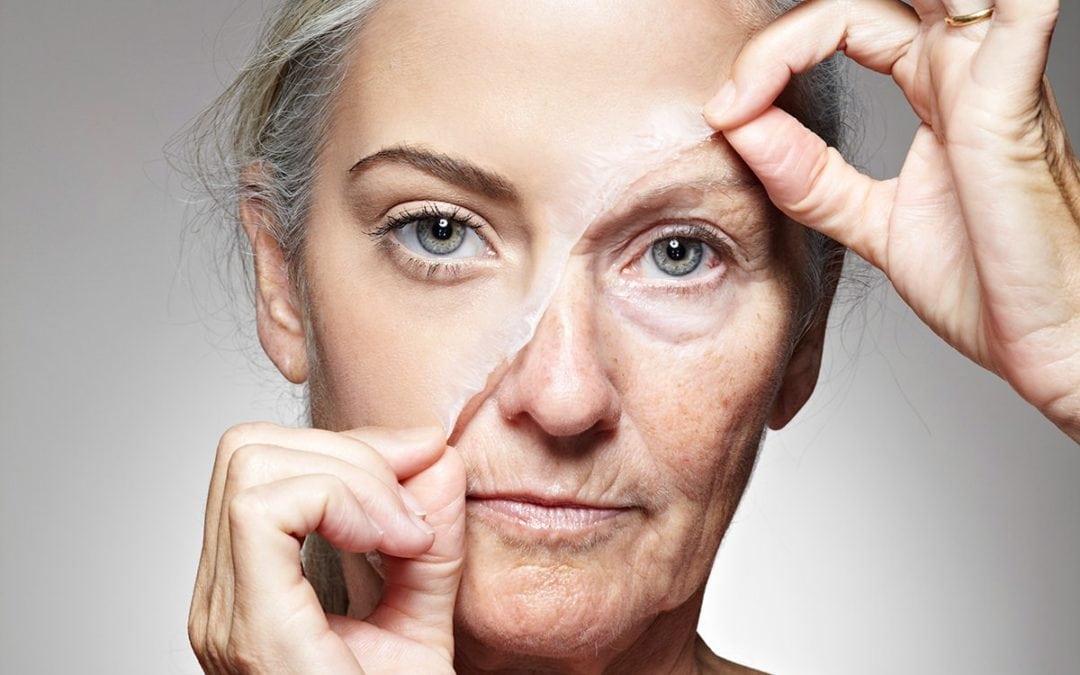
Why Does the Body Start Failing As We Age?
1. Cells Stop Dividing Properly (Cellular Aging)
Your body constantly replaces old cells with new ones. But each cell can only divide a limited number of times.
This happens because telomeres (protective caps on DNA) get shorter with every division.
When telomeres become too short:
- Cells stop dividing
- Damaged cells accumulate
- Tissues repair slower
- Organs weaken
This is one of the biggest reasons aging happens.
2. DNA Damage Builds Up
Every day your DNA is damaged by:
- Pollution
- UV sunlight
- Stress
- Poor diet
- Toxins
- Normal metabolism
When you’re young → your body repairs DNA efficiently
When you’re older → repair systems slow down
Result:
- Mutations increase
- Cells malfunction
- Risk of diseases increases
3. Mitochondria Lose Power (Energy Drops)
Mitochondria are the powerhouses of cells.
They produce energy for everything — muscles, brain, heart.
With age:
- Mitochondria become damaged
- Energy production decreases
- Fatigue increases
- Organs work slower
That’s why older people:
- Get tired faster
- Heal slower
- Lose stamina
4. Hormones Decline
Hormones control growth, metabolism, mood, and repair.
With aging:
- Growth hormone decreases
- Testosterone / estrogen decline
- Melatonin drops
- Insulin sensitivity reduces
This leads to:
- Muscle loss
- Fat gain
- Weak bones
- Poor sleep
- Slow metabolism
5. Muscle Loss (Sarcopenia)
After age ~30:
- Muscle mass declines every year
- Strength reduces
- Balance worsens
Why?
- Less protein synthesis
- Reduced activity
- Hormonal changes
This is why older people:
- Feel weak
- Walk slower
- Fall more easily
6. Immune System Weakens
Your immune system becomes less effective with age.
This causes:
- More infections
- Slower recovery
- Increased inflammation
- Higher disease risk
This chronic low-grade inflammation is called “inflammaging”.
7. Stem Cells Become Less Active
Stem cells repair damaged tissues.
But with age:
- Stem cell numbers drop
- Repair slows down
- Organs regenerate less
So:
- Skin wrinkles
- Bones heal slower
- Organs lose function
8. Protein Damage & Waste Accumulation
Cells produce waste. Young bodies clear it efficiently.
With age:
- Waste removal slows
- Damaged proteins accumulate
- Cells become toxic
This contributes to:
- Brain decline
- Memory loss
- Organ dysfunction
9. Blood Vessels Stiffen
Arteries lose flexibility over time.
This leads to:
- High blood pressure
- Poor circulation
- Less oxygen to organs
- Heart strain
Result:
Organs slowly weaken.
10. Oxidative Stress (Rusting of the Body)
Your body produces free radicals (unstable molecules).
They damage:
- Cells
- DNA
- Proteins
- Organs
Young body → neutralizes them
Old body → antioxidant defense weakens
This is like rust forming inside the body.
What You Actually Feel As Aging
Because of all this, you may notice:
- Low energy
- Wrinkles
- Joint pain
- Weak muscles
- Memory decline
- Slower healing
- More illness
- Poor sleep
Important Truth
Aging is natural — but how fast you age is partly controllable.
You can slow it by:
- Exercise (protects muscles + mitochondria)
- Protein-rich diet
- Good sleep
- Stress control
- Sun protection
- Not smoking
- Staying mentally active
These habits slow biological aging.

