



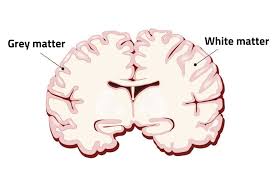
What is white matter?
Your brain has two main types of tissue:
- Gray matter – where thinking and processing happen (brain cells)
- White matter – the communication network that connects everything
White matter is made of nerve fibers (axons) covered with a fatty layer called myelin. This myelin coating gives it the white color and helps signals travel very fast.
Think of it like:
- Gray matter = computers
- White matter = internet cables connecting them
Without cables, computers can’t communicate — same with your brain.
What does white matter actually do?
White matter connects different parts of the brain so they work together:
- Connects left and right brain halves
- Links thinking areas with movement areas
- Connects memory, emotions, and decision-making
- Helps send signals from brain to body
Every time you:
- speak
- walk
- remember
- react
- feel emotions
white matter is carrying the messages.
Why is white matter so important?
If white matter is damaged, signals slow down or stop completely. This can cause:
- Memory problems
- Slow thinking
- Poor balance
- Weakness in body
- Mood changes
- Trouble speaking
- Loss of coordination
In severe cases, the brain can’t communicate with itself, and functions begin shutting down.
What happens when white matter is lost?
Damage to white matter can happen due to:
- Aging
- High blood pressure
- Diabetes
- Stroke
- Head injury
- Smoking
- Chronic stress
- Lack of sleep
When this happens:
- Signals move slower
- Brain areas stop coordinating
- Decision-making weakens
- Movement becomes unstable
- Cognitive decline begins
This is why white matter damage is linked to:
- Dementia
- Stroke recovery problems
- Depression
- Brain fog
- Alzheimer’s risk
Why myelin (white matter coating) is crucial
Myelin works like insulation around electric wires.
Without myelin:
- Signals leak
- Messages get delayed
- Brain becomes inefficient
- Communication fails
Some diseases (like multiple sclerosis) attack myelin directly — and brain function declines quickly.
Signs your white matter may be affected
- Frequent brain fog
- Slow thinking
- Poor concentration
- Memory slips
- Balance issues
- Mood swings
- Mental fatigue
How to protect your brain’s white matter
Research shows these help preserve it:
- Regular walking or exercise
- Good sleep (7–8 hours)
- Omega-3 foods (nuts, seeds, fish)
- Control BP and sugar
- Stay mentally active
- Reduce stress
- Avoid smoking
In simple words
White matter is the brain’s wiring system.
Without it, your brain parts cannot talk to each other.
And when communication stops, brain function starts failing.

