



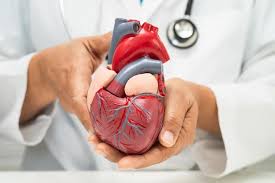
Heart cancer is extremely rare compared to cancers in organs like the lungs, breast, or colon. One major reason scientists suggest is the heart’s constant mechanical load — meaning it is always beating, contracting, and relaxing. This continuous motion creates an environment where tumors struggle to grow.
Here’s the explanation in simple terms:
1. Constant Movement Makes Tumor Growth Hard
- Most cancers grow when cells stay in one place and multiply.
- The heart never stays still — it beats about 100,000 times per day.
- This constant contraction physically disrupts abnormal cell clusters before they can form a tumor.
- It’s like trying to build a sandcastle on shaking ground — it keeps collapsing.
2. High Mechanical Stress Kills Weak Cancer Cells
- Cancer cells are usually fragile and disorganized.
- The heart muscle experiences strong pressure and stretching with every beat.
- This mechanical stress can damage or kill abnormal cells early before they become cancerous.
3. Heart Cells Divide Very Slowly
- Cancer needs rapid cell division.
- Heart muscle cells (cardiomyocytes) rarely divide after birth.
- Since cells don’t replicate often, there are fewer chances for mutations that cause cancer.
4. High Blood Flow Removes Cancer Signals
- The heart has constant, powerful blood flow.
- This may wash away:
- inflammatory signals
- growth factors
- early cancer cells
before they settle and grow.
5. Unique Energy Environment
- Heart cells rely heavily on oxygen and mitochondria.
- Many cancers prefer low oxygen environments.
- The heart’s oxygen-rich condition doesn’t favor tumor survival.
But heart tumors can still happen (rarely)
When they do occur, they are usually:
- Benign (non-cancerous) — like myxoma
- Or metastatic cancers that spread from other organs (more common than primary heart cancer)
Primary heart cancers occur in less than 0.02% of people.
Simple Summary
Heart cancer is rare because:
- The heart is always moving
- Mechanical stress destroys abnormal cells
- Heart cells rarely divide
- Strong blood flow prevents tumor buildup
- Oxygen-rich environment is unfavorable for cancer
That’s why researchers call the heart a “mechanically protected organ” against cancer.
Disclaimer: This article is for informational and educational purposes only and should not be considered medical advice. Always consult a qualified healthcare professional before making any health, diet, or treatment decisions. SehatTak is not responsible for any actions taken based on this information.

