



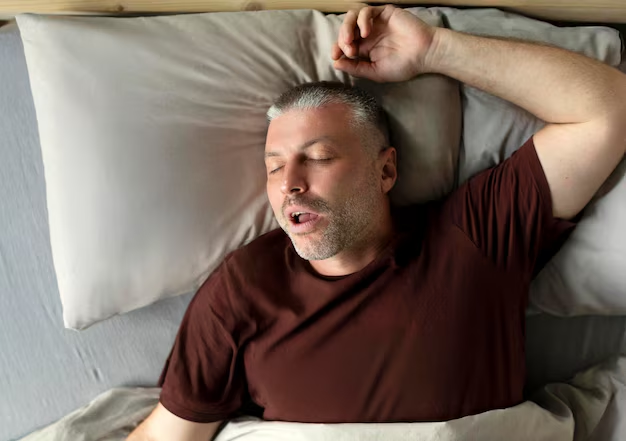
Sleep talking, medically known as somniloquy, is a common sleep behaviour in which a person speaks, whispers, mumbles or makes sounds without being fully aware of it. It can happen during different stages of sleep and is usually harmless.
- The brain doesn’t completely “switch off” during sleep
Even while the body is resting, the brain remains active. During certain sleep stages, areas involved in speech and emotions can become active enough to produce sounds or words. - Sleep talking can happen during both REM and non-REM sleep
It is not limited to dreaming. During REM sleep, vivid dreams may sometimes be accompanied by talking, while non-REM sleep can also involve mumbling or brief, unclear speech. - Dreams may influence what a person says
Sometimes, words or sounds spoken during sleep appear to relate to the person’s dream. However, sleep talking does not necessarily reveal hidden thoughts or secrets—what someone says while asleep is not considered a reliable reflection of their true feelings. - Stress and lack of sleep can make it more likely
Sleep deprivation, stress, irregular sleep schedules and emotional strain may increase episodes of sleep talking in some people. - It can run in families
People with a family history of sleep talking or other parasomnias may be more likely to experience it themselves. - Certain sleep disorders can also be linked to it
Occasional mumbling is generally nothing to worry about. But frequent or intense sleep talking, especially when accompanied by shouting, violent movements, walking during sleep, breathing problems or significant daytime sleepiness, may warrant medical evaluation. - Usually, no treatment is needed
If sleep talking happens occasionally and there are no other concerning symptoms, it generally does not require treatment. Maintaining a regular sleep schedule, getting adequate sleep and managing stress can help reduce episodes.
Disclaimer: This article is for informational and educational purposes only and should not be considered medical advice. Always consult a qualified healthcare professional before making any health, diet, or treatment decisions. SehatTak is not responsible for any actions taken based on this information.

