



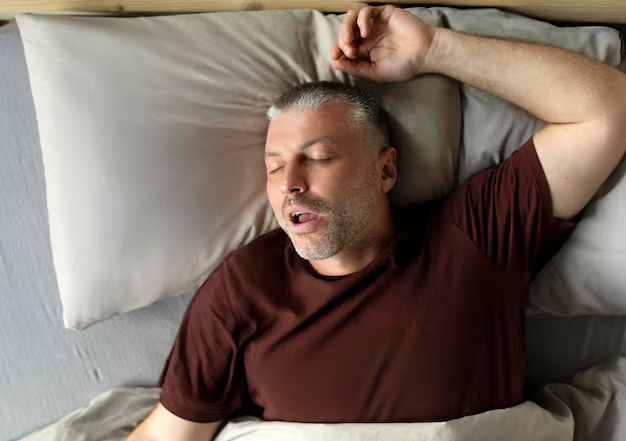
Yawning is usually associated with tiredness or lack of sleep. But if you are getting enough sleep and still find yourself yawning repeatedly during the day, it may be linked to poor sleep quality, stress, medications, certain health conditions, or problems affecting the brain and heart.
1. Poor sleep quality
Even if you sleep for 7–9 hours, your sleep may not be restorative. Conditions such as sleep apnea, which causes repeated interruptions in breathing during sleep, can leave you tired and sleepy during the day.
2. Excessive daytime sleepiness
Constant yawning can occur when your body is struggling to stay awake. This may happen because of an irregular sleep schedule, excessive daytime sleepiness, or certain sleep disorders.
3. Stress and anxiety
Yawning can sometimes increase during periods of stress, anxiety or emotional tension. Changes in breathing and the body’s response to stress may contribute to frequent yawning.
4. Certain medicines
Some medicines, particularly certain antidepressants and other drugs that affect the nervous system, may cause increased yawning or drowsiness as a side effect.
5. Brain-related conditions
Rarely, excessive or unusual yawning can be associated with conditions affecting the brain or nervous system. If frequent yawning appears suddenly along with symptoms such as weakness, confusion, severe headache, difficulty speaking or facial drooping, urgent medical attention is needed.
6. Heart and circulation-related problems
Frequent yawning is not by itself a reliable sign of heart disease, but unusual excessive yawning has occasionally been reported in association with cardiovascular or neurological events. It should therefore be considered alongside other symptoms rather than treated as a diagnostic sign.
When should you see a doctor?
If excessive yawning continues despite adequate sleep—especially if you also experience extreme daytime sleepiness, loud snoring, breathing pauses during sleep, dizziness, chest discomfort, fainting, or neurological symptoms—it is worth discussing with a doctor.
Bottom line: Frequent yawning after sufficient sleep does not necessarily mean something is wrong with your heart or brain. Often, sleep quality, stress, medications or daytime sleepiness are more likely explanations.

