



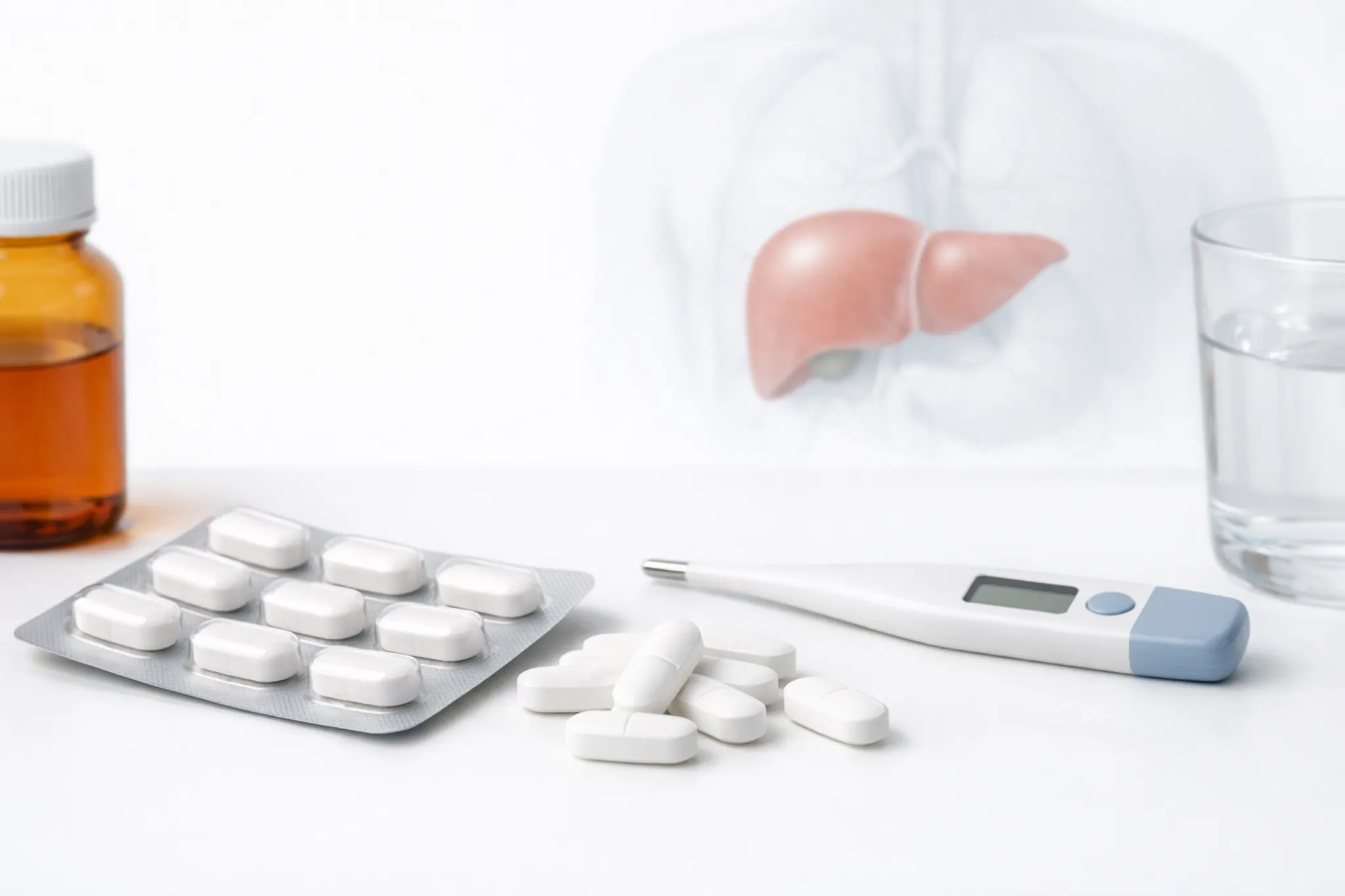
Paracetamol is one of the most commonly used medicines for fever, headaches, body aches and cold or flu symptoms. Because it is easily available, many people take it without giving much thought to the dose.
But can this commonly used medicine actually become life-threatening?
Yes—but mainly when it is taken in excessive amounts or when people accidentally combine multiple medicines containing paracetamol. When taken according to the recommended directions, paracetamol is generally considered safe and effective. However, an overdose can cause severe liver damage and, in serious cases, liver failure and death.
1. Why can too much paracetamol damage the liver?
The liver breaks down paracetamol after it is taken. At recommended doses, the body can normally process it safely.
The problem occurs when too much paracetamol is taken. The liver’s ability to safely process the medicine can be overwhelmed, allowing toxic by-products to build up and damage liver cells. A severe overdose can eventually lead to liver failure.
2. The biggest mistake: taking more than one medicine containing paracetamol
This is an important reason accidental overdoses can happen.
Paracetamol is not only sold as a standalone painkiller. It can also be included in several cold, cough and flu medicines.
For example, a person may take a cold-and-flu medicine for fever and congestion and then take a separate paracetamol tablet for a headache—without realizing that both products contain the same active ingredient.
The FDA advises people to check the ingredients of all medicines and avoid taking more than one product containing acetaminophen/paracetamol at the same time unless advised by a healthcare professional.
3. Taking more does not mean faster relief
If a normal dose isn’t providing enough relief, taking extra tablets may seem tempting. But increasing the dose does not necessarily provide better relief and can increase the risk of serious harm.
Always follow the dose and timing instructions on the medicine’s packaging or those given by your doctor or pharmacist.
For adults and children aged 12 years and older, the FDA states that the total amount of acetaminophen should not exceed 4,000 mg in 24 hours. Individual products may have different instructions, and some people may need a lower amount, so the label and medical advice should take priority.
4. An overdose may not cause obvious symptoms immediately
One of the most concerning things about paracetamol overdose is that a person may initially feel relatively normal.
Early symptoms can include nausea, vomiting, abdominal pain or feeling unwell. However, significant liver damage may take time to become apparent. Some people may have few or no symptoms during the early stages.
This is why suspected overdose should not be ignored just because the person feels fine.
5. What are the warning signs of serious liver damage?
As liver injury progresses, symptoms may include:
- Yellowing of the skin or eyes
- Dark urine
- Nausea or vomiting
- Abdominal pain
- Loss of appetite
- Unusual bruising or bleeding
- Confusion or extreme sleepiness
Severe liver injury can progress to liver failure and can be fatal.
6. Who needs to be extra careful?
People with existing liver disease should speak with a healthcare professional before using paracetamol.
Extra caution may also be needed in people who regularly consume significant amounts of alcohol, are severely malnourished or dehydrated, or have certain kidney problems.
If you regularly take prescription or over-the-counter medicines, check whether any of them already contain paracetamol.
7. What should you do if you accidentally take too much?
If you think you have taken more paracetamol than recommended, seek urgent medical advice even if you currently feel well.
Do not wait for symptoms to appear. Treatment for paracetamol poisoning works best when medical care is obtained promptly. Hospitals can perform blood tests and, when appropriate, give an antidote called N-acetylcysteine (NAC) to reduce the risk of serious liver injury.
The Bottom Line
Paracetamol is not a dangerous medicine when it is used correctly. The real risk comes from overdosing, accidentally combining several paracetamol-containing medicines, or ignoring dosing instructions.
Before taking a cold or flu medicine, check its ingredients. If it already contains paracetamol, avoid taking another paracetamol-containing product unless a healthcare professional has advised you to do so.
And if you suspect you have taken too much, don’t wait for symptoms—get medical help promptly.

