



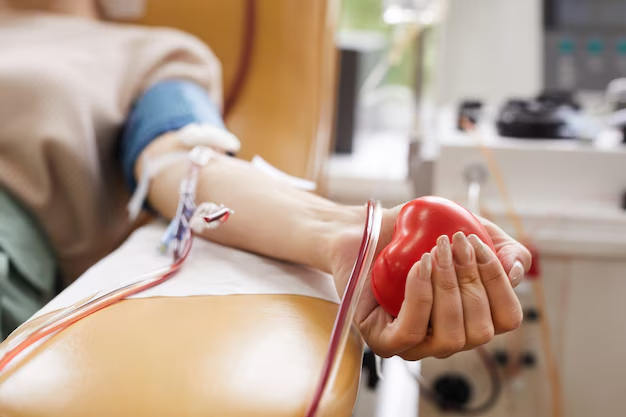
Scientists have developed a promising experimental blood test that could help detect Parkinson’s disease at an early stage. This discovery may bring hope to millions of people living with or at risk of developing this neurological disorder.
The new technique could make disease detection less invasive and potentially help doctors identify changes in the brain before serious symptoms appear.
1. What Is Parkinson’s Disease?
Parkinson’s disease is a progressive neurological disorder that affects the brain and nervous system.
It develops when certain brain cells responsible for producing a chemical called dopamine gradually become damaged or die.
Dopamine plays an important role in controlling body movements, coordination and muscle activity. A reduction in dopamine can make everyday movements difficult.
2. How Does the New Blood Test Work?
Scientists from the University of Oxford and King Abdullah University of Science and Technology (KAUST) have developed an experimental blood-testing technique.
The test focuses on a protein called alpha-synuclein, which is closely associated with Parkinson’s disease.
Here’s how it works:
- The protein alpha-synuclein can fold abnormally and form harmful clumps in the brain.
- Tiny particles called extracellular vesicles carry biological material from nerve cells into the bloodstream.
- Researchers isolate these particles from blood samples.
- A highly sensitive electronic sensor measures three different forms of alpha-synuclein.
- These measurements help identify biological changes associated with Parkinson’s disease.
The technology can complete these measurements in approximately 40 minutes. NIHR Biomedical Research Centre: Oxford+2
3. How Accurate Is the New Test?
The initial research has shown encouraging results.
- The experimental technology achieved approximately 90.9% accuracy in distinguishing disease-associated biological patterns from healthy controls in a study.
- Researchers studied people with Parkinson’s disease, healthy individuals and people with isolated REM sleep behaviour disorder.
- The findings suggest that certain disease-related changes may be detectable even before typical movement symptoms develop.
However, these results need confirmation through larger studies. KAUST+1
4. What Are the Early Symptoms of Parkinson’s Disease?
Some early warning signs include:
- Hand tremors: Uncontrolled shaking of the hands or fingers, particularly while resting.
- Muscle stiffness: Muscles may feel tight, making movement uncomfortable.
- Slow movements: Walking, dressing and other everyday activities may become slower.
- Balance problems: Difficulty maintaining balance while standing or walking.
- Small handwriting: Handwriting may gradually become smaller than usual.
- Sleep disturbances: Some people may move excessively or act out their dreams during sleep.
- Reduced facial expressions: The face may appear less expressive than before.
Not everyone experiences the same symptoms.
5. Can Parkinson’s Now Be Diagnosed With a Simple Blood Test?
Not yet. Although the discovery is promising, the technology is still experimental.
Currently, doctors primarily diagnose Parkinson’s through neurological examinations, medical history and assessment of symptoms.
The new blood test requires further clinical validation before it can become a routine diagnostic option. NIHR Biomedical Research Centre: Oxford+2
6. How Can You Support Brain Health?
Although there is no guaranteed way to prevent Parkinson’s disease, certain healthy habits support overall brain and physical health.
- Exercise regularly and include walking in your daily routine.
- Eat a balanced diet containing fruits, vegetables and whole grains.
- Get sufficient sleep.
- Stay mentally and socially active.
- Avoid smoking.
- Limit exposure to harmful environmental chemicals.
- Consult a doctor if you experience persistent movement or balance problems.
7. Why Is This Discovery Important?
If future research confirms the results, this technology could offer several benefits:
- Help identify Parkinson’s-related changes earlier.
- Make testing less invasive.
- Help researchers monitor disease-related biological changes.
- Support the development of new treatments.
- Help identify people who may benefit from participating in clinical trials.
Conclusion
The development of this experimental blood test represents an important step in Parkinson’s disease research. It offers hope for earlier detection and better monitoring of the disorder.
However, it is not yet a routine or approved standalone diagnostic test. More research is needed before it becomes available for everyday medical use.
Remember: Recognising early symptoms and seeking timely medical advice are important steps towards managing neurological conditions.

