



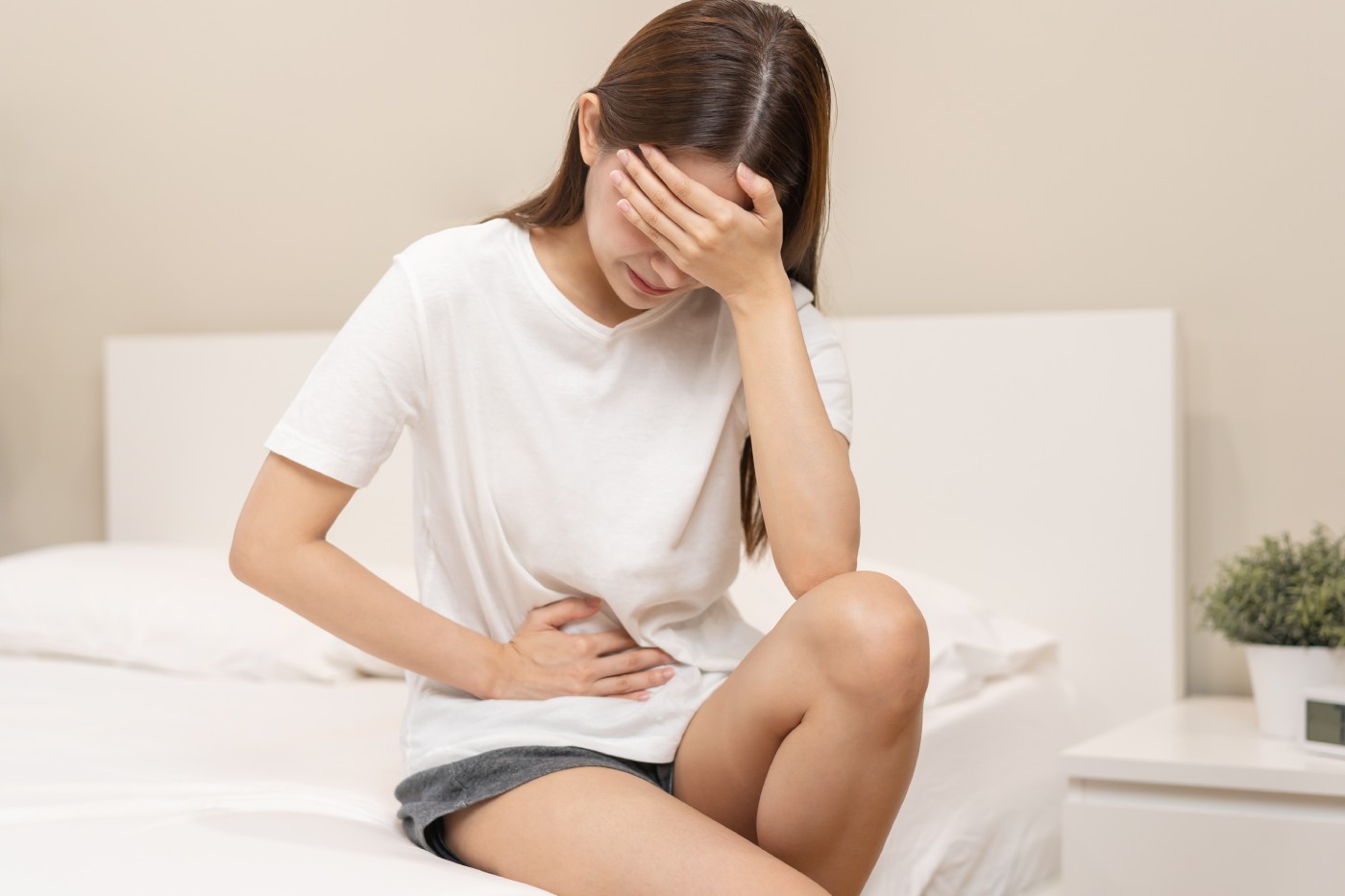
Feeling bloated or passing gas after a meal is common and, in most cases, not a sign of a serious problem. Gas forms naturally during digestion, and the food we eat, the way we eat and even certain daily habits can affect how much gas builds up in the digestive tract.
However, if gas occurs very frequently or comes with pain, vomiting, weight loss or changes in bowel habits, it may need medical attention.
1. Why does gas form after eating?
Gas in the digestive system mainly comes from two sources: swallowed air and the breakdown of certain carbohydrates by bacteria in the large intestine.
You may swallow more air when you eat or drink quickly, chew gum, drink through a straw, smoke or consume fizzy drinks. Some of this air can later leave the body through burping or passing gas.
At the same time, bacteria in the large intestine break down carbohydrates that aren’t completely digested in the small intestine. This process naturally produces gas.
2. Eating too quickly can make the problem worse
When you eat quickly, you may swallow more air along with your food. This can contribute to bloating, belching and a feeling of fullness after meals.
Try eating more slowly and chewing your food properly. Taking smaller bites and avoiding rushing through meals may help reduce swallowed air.
3. Certain foods produce more gas
Some foods are more likely to cause gas because they contain carbohydrates that are difficult for some people to digest.
Common examples include:
- Beans and lentils
- Onions and garlic
- Some vegetables such as broccoli and cabbage
- Certain fruits
- Whole grains
- Milk and other dairy products in people who are lactose intolerant
- Fizzy or carbonated drinks
This doesn’t mean you need to stop eating these foods. If you notice that a particular food repeatedly causes symptoms, reducing the amount or discussing it with a healthcare professional may help.
4. Don’t lie down immediately after eating
Going for a gentle walk after a meal can be helpful for digestion and may reduce the uncomfortable feeling of bloating.
Instead of lying down immediately after eating, stay upright and consider taking a short, easy-paced walk.
5. Drink water and avoid too many fizzy drinks
Staying hydrated is important for normal digestion. On the other hand, carbonated drinks can introduce additional gas into the digestive tract and may make bloating worse in some people.
If you regularly experience gas after meals, try replacing fizzy drinks with plain water and see whether your symptoms improve.
6. If milk causes gas, lactose intolerance could be a reason
Some people have difficulty digesting lactose, the natural sugar found in milk and other dairy products.
When lactose isn’t properly digested, bacteria in the large intestine break it down and produce gas. This can lead to bloating, abdominal discomfort and diarrhea after consuming dairy.
If you repeatedly notice symptoms after milk or dairy products, speak with a healthcare professional rather than simply assuming that all dairy must be avoided.
7. Simple habits may help provide relief
If you’re experiencing mild gas or bloating after eating, you can try:
- Eating slowly
- Chewing food thoroughly
- Taking a gentle walk
- Drinking enough water
- Limiting carbonated drinks
- Avoiding chewing gum if it makes you swallow more air
- Keeping track of foods that repeatedly trigger symptoms
For occasional symptoms, these simple changes may be enough to make a difference.
When should you see a doctor?
Occasional gas is usually harmless, but persistent or severe symptoms shouldn’t be ignored.
See a healthcare professional if gas or bloating is accompanied by severe or persistent abdominal pain, vomiting, unexplained weight loss, blood in the stool, persistent diarrhea or constipation, or a major change in your usual bowel habits.
These symptoms can sometimes point to an underlying digestive condition that needs evaluation.
The Bottom Line
Gas after eating is often a normal part of digestion. Eating too quickly, swallowing excess air and consuming certain foods can make it more noticeable.
The easiest place to start is with simple changes: eat slowly, chew properly, stay hydrated, avoid excessive fizzy drinks and take a gentle walk after meals.
But if gas becomes persistent, painful or is accompanied by other unusual symptoms, don’t simply keep treating it at home—get it checked by a healthcare professional.

