



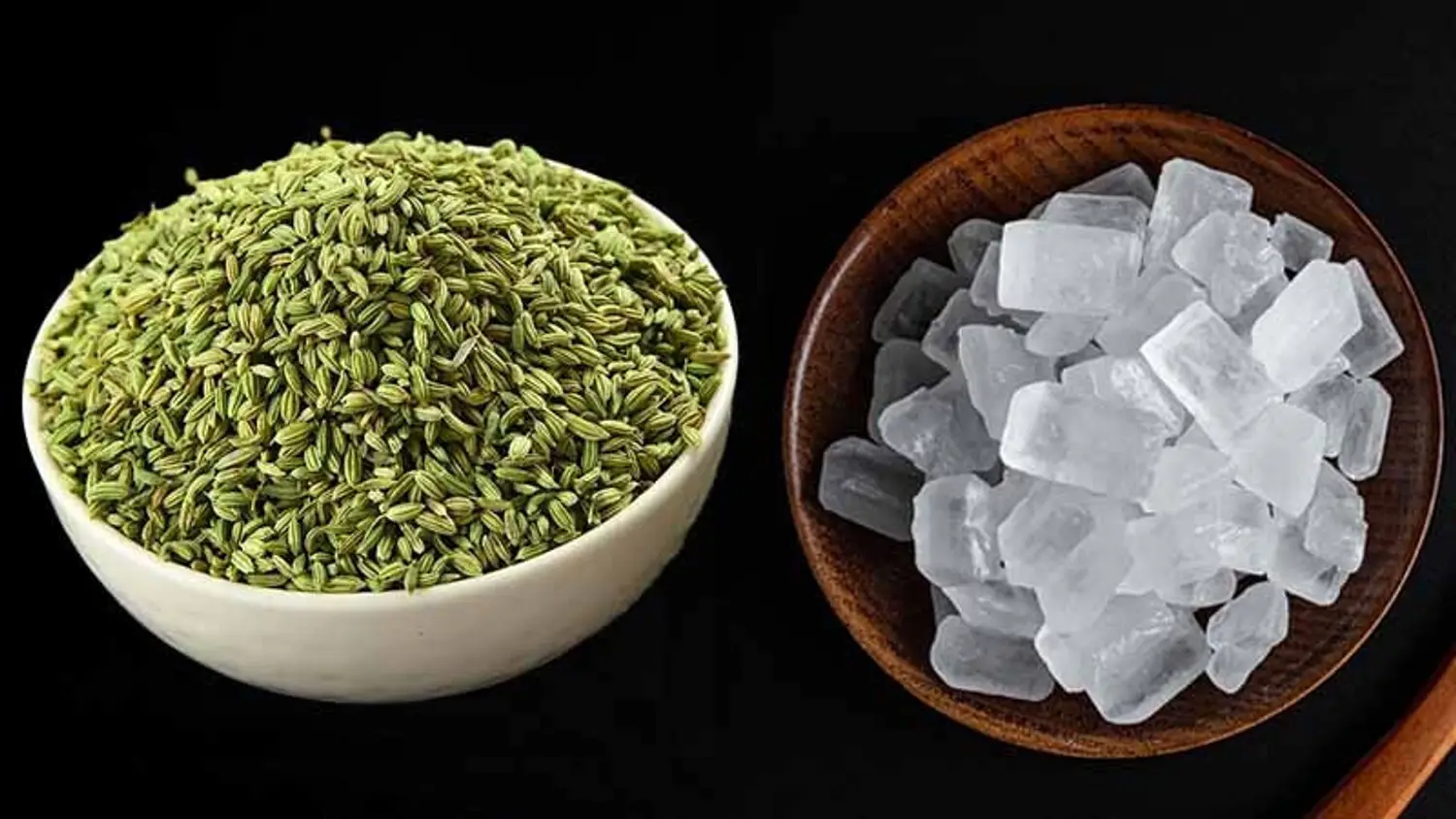
After a traditional Indian meal, it is common to chew a small amount of fennel seeds (saunf) with rock sugar (mishri). This simple combination is often served as a mouth freshener, but many people also believe that it supports digestion.
There is some logic behind the tradition, particularly because fennel has a long history of culinary and traditional use for digestive complaints. However, it is important to separate traditional practice from claims that have been firmly proven by clinical research.
1. Fennel may help you feel more comfortable after eating
Fennel contains aromatic plant compounds and has traditionally been used for digestive complaints. Research reviews describe its traditional use for gastrointestinal problems, although modern evidence for specific digestive benefits is still limited.
Some people therefore find chewing fennel after a meal pleasant and may feel less bothered by gas, heaviness or mild bloating.
However, fennel should not be considered a guaranteed treatment for indigestion or chronic digestive problems. Evidence for fennel specifically in post-meal digestive symptoms is not strong enough to make that claim.
2. It can freshen the breath
One of the most noticeable effects is simply the fresh, aromatic taste of fennel.
Chewing the seeds releases their natural aromatic oils, which can temporarily improve the smell and taste in your mouth after eating. This is one reason fennel is traditionally served at the end of meals.
It is better thought of as a mouth freshener, rather than a substitute for brushing, flossing and regular dental care.
3. What does rock sugar add?
Rock sugar, or mishri, mainly adds sweetness to the combination. It does not turn fennel into a special digestive medicine.
In fact, the nutritional difference between ordinary sugar and rock sugar is not large enough to make rock sugar a “healthy sugar.” It is still a source of sugar and calories.
The World Health Organization recommends keeping free sugars below 10% of total daily energy intake, with a further reduction to below 5% providing additional health benefits. Higher free-sugar consumption is associated with increased risk of unhealthy weight gain and dental caries.
So, a small piece of mishri occasionally is very different from regularly eating large quantities after every meal.
4. Does fennel help digest a heavy meal?
This is one of the most common claims about saunf.
Fennel has traditionally been associated with digestive support, and laboratory and animal research has identified compounds with various biological activities. But traditional use and laboratory findings do not automatically mean that chewing a small spoonful of fennel after dinner will significantly speed up digestion in humans.
Therefore, it is more accurate to say:
Fennel may help some people feel comfortable after a meal, but it should not be described as a proven digestive “detox” or as something that rapidly digests food.
5. Can it reduce gas and bloating?
Possibly, but the evidence needs to be interpreted carefully.
Fennel is traditionally used for digestive discomfort and bloating, and its plant compounds have been studied for gastrointestinal effects. However, reviews of herbal treatments point out that many traditional digestive claims still lack strong clinical evidence.
If someone frequently experiences significant bloating, abdominal pain, heartburn or indigestion, simply chewing fennel after meals should not replace an evaluation of the underlying cause.
6. Does fennel and rock sugar help with weight loss?
No—not in any proven or meaningful way.
Fennel itself is not a magic fat-burning food, and adding rock sugar certainly does not make the combination a weight-loss remedy.
Weight management depends much more on overall calorie intake, food quality, physical activity, sleep and long-term eating patterns. Regularly adding sugary foods after meals can increase total calorie and free-sugar intake.
For this reason, people trying to reduce sugar intake may prefer plain fennel seeds without mishri.
7. Is it good for blood sugar?
This is another area where exaggerated claims are common online.
Although fennel contains biologically active compounds and has been investigated in experimental research, there is not enough evidence to say that eating fennel with rock sugar after meals reliably controls blood glucose.
In fact, because rock sugar is essentially a form of added/free sugar, people who need to carefully manage their blood glucose should be cautious about making mishri a daily habit.
8. What happens immediately after you chew them?
A typical sequence is quite simple:
- Chewing breaks the fennel seeds, releasing their aromatic compounds.
- The strong, sweet-aromatic flavor can make the mouth feel fresher.
- Fennel contributes a small amount of plant compounds and dietary components.
- Rock sugar dissolves, providing sweetness and sugar.
- Your digestive system processes both as part of the food you have eaten.
There is no special chemical reaction between fennel and rock sugar that “cleanses” the stomach or removes toxins.
9. How much should you eat?
There is no universally established medical dose of fennel seeds specifically for use as a post-meal mouth freshener.
For an ordinary culinary habit, a small amount of fennel seeds is generally more sensible than consuming large quantities. If you use rock sugar, keeping the portion small is also important.
You do not need a large amount to enjoy the flavor.
10. Who should be careful?
Fennel used as a normal food ingredient is different from concentrated fennel extracts or essential oils. People who are pregnant, taking medicines, have allergies to fennel or related plants, or are considering concentrated herbal preparations should discuss their use with a healthcare professional. Herbal products can have different strengths and safety considerations.
Also, if you regularly have severe heartburn, persistent indigestion, vomiting, unexplained weight loss, blood in the stool, difficulty swallowing or significant abdominal pain, it is better to seek medical advice rather than relying on fennel.
Fennel Seeds vs. Fennel + Rock Sugar
| Option | Main purpose | Important point |
|---|---|---|
| Plain fennel seeds | Mouth freshening and traditional digestive use | No added sugar |
| Fennel + small amount of rock sugar | Sweet mouth freshener | Adds free sugar and calories |
| Large amounts of fennel + mishri | Not necessary | Adds unnecessary sugar and calories |
The Bottom Line
Eating a small amount of fennel seeds after a meal is a traditional practice that can make the mouth feel fresh and may help some people feel more comfortable after eating. Fennel has a long history of traditional digestive use, but strong clinical evidence for all of the popular claims about post-meal fennel is still lacking.
Rock sugar mainly provides sweetness; it does not give the combination special digestive powers. Because it is still a form of free sugar, moderation is important, particularly for people trying to reduce sugar intake or protect dental health.
So, if you enjoy the traditional habit, a small amount of plain saunf—or saunf with a little mishri—can be an enjoyable end to a meal. Just don’t rely on it as a treatment for digestive disease, weight loss, diabetes or “detoxification.”

