



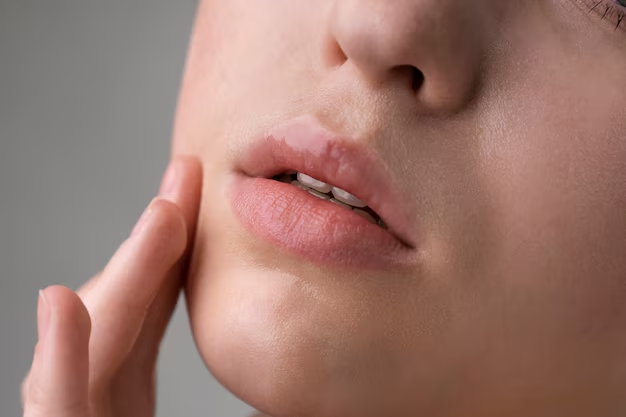
During winter, cold weather, low humidity, and dry air can make our lips dry, rough, and cracked. Unlike the skin on other parts of the body, the skin on our lips is very thin and does not have oil glands to produce natural oils. This makes lips more likely to lose moisture during winter. Applying lip balm correctly helps keep lips soft, hydrated, and protected.
1. Clean Your Lips Before Applying Lip Balm
Before applying lip balm, make sure your lips are clean. Gently remove food particles, dirt, or any leftover lipstick using a soft, damp cloth. Avoid rubbing your lips harshly because it can damage their delicate skin and cause irritation.
2. Apply Lip Balm on Slightly Damp Lips
One of the best ways to apply lip balm is immediately after washing your face or gently moistening your lips. Slightly damp lips help lock in moisture. Apply a thin, even layer of lip balm to prevent dryness and maintain softness.
3. Choose a Moisturising Lip Balm
Always choose a lip balm containing moisturising ingredients such as:
- Shea Butter: Helps soften dry and rough lips.
- Petroleum Jelly: Creates a protective barrier that prevents moisture loss.
- Beeswax: Helps protect lips from cold air and environmental dryness.
- Ceramides: Help support and maintain the skin’s natural protective barrier.
- Coconut Oil: Helps soften and condition dry lips.
4. Apply Lip Balm Several Times a Day
Do not apply lip balm only when your lips become dry. Apply it regularly throughout the day, especially after eating, drinking, or washing your face. Reapply whenever your lips feel dry to maintain hydration and prevent cracking.
5. Never Forget Lip Balm Before Sleeping
Night-time is an important part of your lip-care routine. Before going to bed, apply a slightly thicker layer of a moisturising lip balm or petroleum jelly. It creates a protective layer that reduces moisture loss while you sleep and helps your lips feel softer in the morning.
6. Use Lip Balm With SPF During the Day
Even during winter, harmful ultraviolet (UV) rays can affect your lips. Prolonged sun exposure may cause dryness, irritation, and sun damage. Choose a broad-spectrum lip balm with SPF 30 or higher, particularly when spending time outdoors. Reapply it every two hours when outside.
7. Avoid Licking or Biting Your Lips
Many people lick their lips when they feel dry, but this can make the problem worse. Saliva evaporates quickly and leaves lips even drier. Biting or peeling dry skin can also cause cuts, bleeding, and irritation. Instead, apply lip balm whenever your lips feel dry.
8. Avoid Lip Balms With Irritating Ingredients
Some lip balms contain ingredients that may irritate sensitive or cracked lips. Avoid products containing strong fragrances, menthol, camphor, phenol, or flavours such as peppermint and cinnamon if they cause burning or irritation. Choose gentle, fragrance-free products instead.
9. Drink Enough Water
Keeping your body hydrated is important for overall skin health. Drink enough water throughout the day, even when you do not feel thirsty during winter. However, remember that drinking water alone cannot prevent chapped lips; external moisturising and protection are also important.
10. Do Not Exfoliate Cracked Lips Harshly
Avoid using sugar scrubs, toothbrushes, or rough towels to remove dead skin from cracked lips. Scrubbing can damage the skin further and cause bleeding. Allow the dry skin to heal naturally while regularly applying a gentle moisturising lip balm.
When Should You Be Concerned?
If your lips remain extremely dry, painful, swollen, or cracked despite regular care, consult a dermatologist. Persistent lip dryness may sometimes be associated with allergies, irritation, or other skin conditions.
Final Tip: The best winter lip-care routine is simple: apply a moisturising lip balm on slightly damp lips, reapply throughout the day, use SPF protection outdoors, and apply a thicker layer before sleeping.

