



Which Water Is Better for Digestion—Fennel or Carom Seed? Here’s How to Clear Up Your Confusion
Digestive problems such as bloating, gas, indigestion, and stomach discomfort are common, and many people turn to natural remedies for relief. Two of the most popular choices are fennel water and carom seed (ajwain) water. Both have been used in traditional medicine for generations, but they are not exactly the same.
Each offers unique digestive benefits, and the better choice depends on your symptoms and overall health. Understanding how they work can help you decide which one is more suitable for your needs.
What Is Fennel Water?
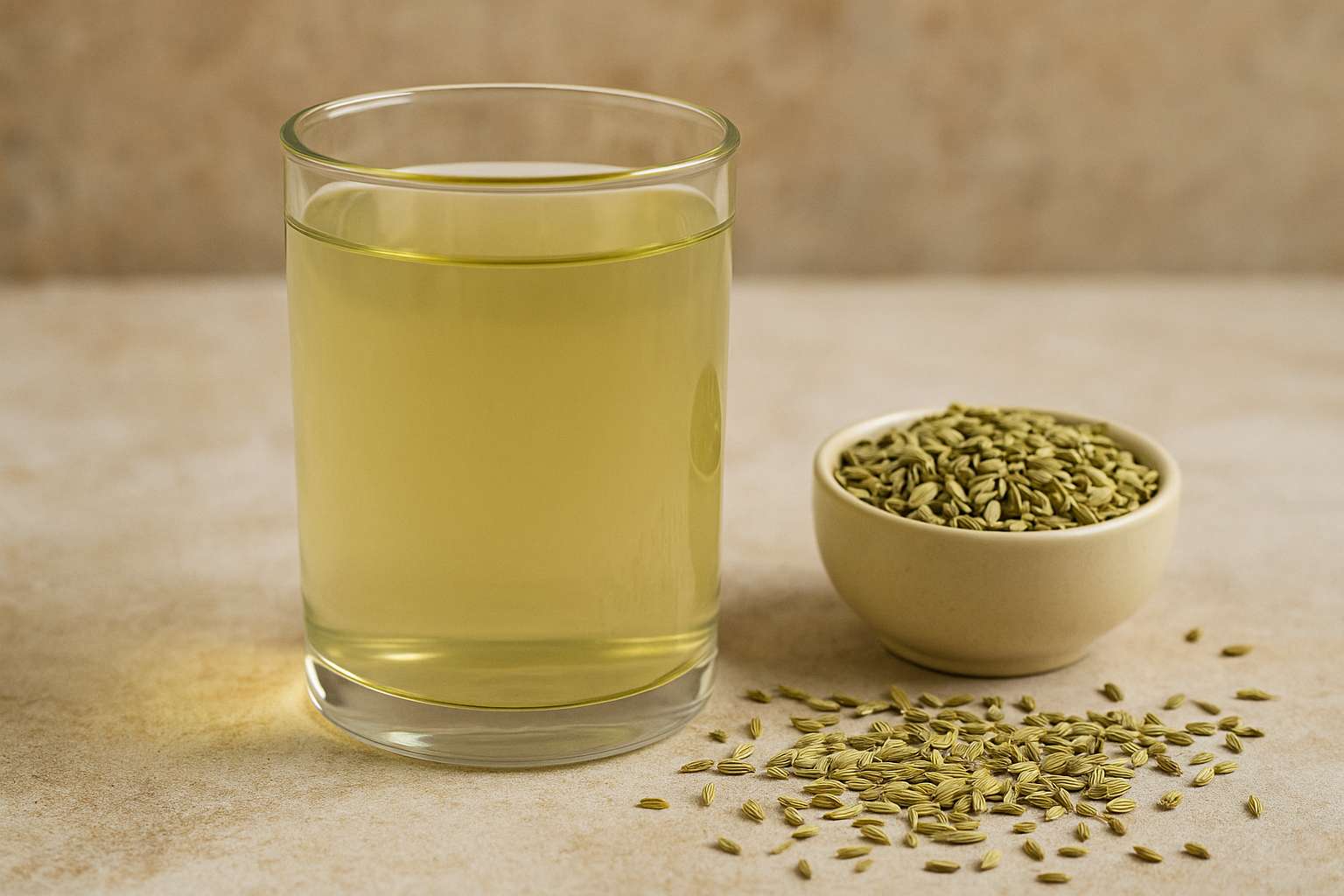
Fennel water is prepared by soaking or lightly boiling fennel seeds (saunf) in water. The seeds contain natural compounds such as anethole, which may help relax the muscles of the digestive tract and reduce discomfort.
It has a mild, slightly sweet flavor and is often consumed after meals.
What Is Carom Seed (Ajwain) Water?
Carom seed water is made by soaking or boiling ajwain seeds in water. Ajwain contains thymol, a natural compound that may stimulate digestive enzyme activity and support digestion.
Its taste is stronger and more pungent than fennel water.
How Fennel Water Supports Digestion
Fennel water is commonly used to help with mild digestive discomfort.
Potential benefits include:
- May reduce bloating
- May help relieve mild gas
- Can support smoother digestion after meals
- May ease stomach cramps by relaxing digestive muscles
- Can freshen breath after eating
- May help reduce the feeling of fullness after large meals
Because of its gentle nature, fennel water is often preferred for everyday digestive support.
How Ajwain Water Supports Digestion
Ajwain water is traditionally used for more noticeable digestive discomfort.
It may help:
- Relieve excess gas
- Reduce indigestion
- Support digestion of heavy or oily meals
- Ease abdominal discomfort caused by trapped gas
- Stimulate digestive secretions
People often choose ajwain water after overeating or when experiencing significant bloating.
Fennel Water vs Ajwain Water: Key Differences
| Feature | Fennel Water | Ajwain Water |
|---|---|---|
| Taste | Mild and slightly sweet | Strong and spicy |
| Main active compound | Anethole | Thymol |
| Best for | Mild bloating, everyday digestion | Gas, indigestion, heavy meals |
| Effect on stomach | Gentle and soothing | More stimulating |
| Daily use | Often suitable in moderation | Best used in moderation rather than in large amounts |
Which One Is Better for Different Digestive Problems?
For Bloating
Both may help, but:
- Mild bloating → Fennel water
- Severe gas or bloating → Ajwain water
For Gas
Ajwain water is traditionally considered more effective because thymol may help improve digestion and reduce gas formation.
For Indigestion
Ajwain water is commonly used after heavy or oily meals to support digestion.
For Acidity or Heartburn
Some people find fennel water soothing because it is gentler on the stomach. However, persistent or severe heartburn should be evaluated by a healthcare professional, as home remedies may not address the underlying cause.
After Meals
Fennel water is a popular choice after meals because of its mild taste and potential to aid digestion.
Can You Drink Both?
Yes, but moderation is important.
Some people drink:
- Fennel water after regular meals
- Ajwain water only when they experience gas or indigestion
There’s generally no need to consume large amounts of both every day unless advised by a healthcare professional.
How to Make Fennel Water
Ingredients
- 1 teaspoon fennel seeds
- 1–2 cups water
Method
- Soak overnight or boil for 5–10 minutes.
- Strain.
- Drink warm or at room temperature.
How to Make Ajwain Water
Ingredients
- 1 teaspoon ajwain seeds
- 1–2 cups water
Method
- Boil for about 5–10 minutes or soak overnight.
- Strain.
- Drink once cooled slightly.
Are There Any Side Effects?
Although both are generally safe when consumed in moderate amounts, they may not suit everyone.
Fennel Water
Possible considerations:
- May trigger allergic reactions in people sensitive to fennel or related plants.
- Excessive intake is not recommended without medical advice, especially during pregnancy.
Ajwain Water
Possible considerations:
- Large amounts may irritate the stomach in some individuals.
- Excessive consumption is not advised during pregnancy unless recommended by a healthcare provider.
- May interact with certain medications or medical conditions.
If you have ongoing digestive problems, severe abdominal pain, unexplained weight loss, blood in the stool, or persistent symptoms, seek medical evaluation instead of relying solely on home remedies.
Tips for Better Digestion
Along with herbal waters:
- Eat slowly and chew food thoroughly.
- Stay well hydrated.
- Include fiber-rich foods in your diet.
- Exercise regularly.
- Limit overeating.
- Reduce very oily or highly processed foods if they trigger symptoms.
- Manage stress, which can also affect digestion.
Which Water Should You Choose?
Choose fennel water if you:
- Have mild bloating
- Want gentle digestive support
- Prefer a mild taste
- Like drinking it after meals
Choose ajwain water if you:
- Experience frequent gas
- Have indigestion after heavy meals
- Feel abdominal discomfort from trapped gas
- Prefer a stronger herbal remedy
Final Takeaway
Both fennel water and carom seed (ajwain) water can support digestion, but they serve slightly different purposes. Fennel water is gentler and is often used for everyday digestive comfort, mild bloating, and post-meal support. Ajwain water is traditionally chosen for gas, indigestion, and discomfort after heavy meals because of its stimulating effects on digestion.
Neither drink is a cure for digestive disorders, and their benefits vary from person to person. If digestive symptoms are severe, frequent, or persistent, it’s important to consult a healthcare professional for proper diagnosis and treatment.

