



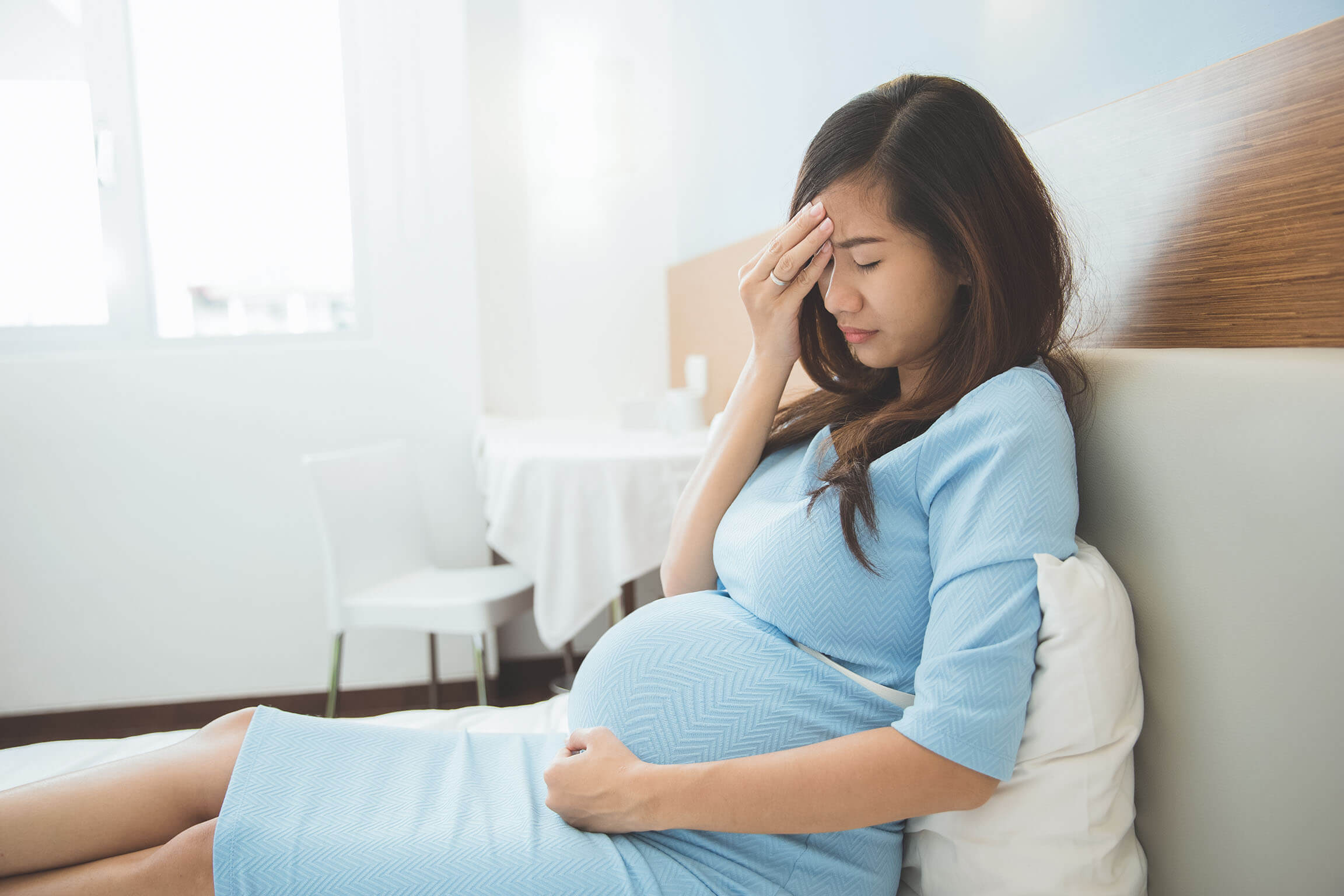
Many people think that low hemoglobin during pregnancy simply makes a mother feel tired or weak. While fatigue is one of the most common symptoms, the effects of low hemoglobin (anemia) can be much more serious—especially for the developing baby.
Hemoglobin is the protein in red blood cells that carries oxygen throughout the body. During pregnancy, your body needs more hemoglobin because you’re supplying oxygen and nutrients to both yourself and your growing baby. When hemoglobin levels become too low, both mother and baby may face health risks.
What Is Hemoglobin?
Hemoglobin is an iron-rich protein found in red blood cells. Its primary job is to transport oxygen from the lungs to every organ in the body.
During pregnancy:
- Blood volume increases by about 40–50%.
- More iron is needed to produce additional red blood cells.
- The baby depends entirely on the mother’s blood supply for oxygen and nutrients.
If hemoglobin levels drop too low, oxygen delivery becomes less efficient.
What Is Considered Low Hemoglobin During Pregnancy?
According to common clinical guidelines:
- First trimester: Less than 11 g/dL
- Second trimester: Less than 10.5 g/dL
- Third trimester: Less than 11 g/dL
Healthcare providers may classify anemia as:
| Severity | Hemoglobin Level |
|---|---|
| Mild | 10–10.9 g/dL |
| Moderate | 7–9.9 g/dL |
| Severe | Below 7 g/dL |
Common Causes of Low Hemoglobin During Pregnancy
Several factors can contribute to anemia during pregnancy.
1. Iron Deficiency
The most common cause worldwide.
Iron is essential for producing hemoglobin. Pregnancy increases iron requirements significantly.
2. Folate Deficiency
Folate is needed for healthy red blood cell production and fetal development.
3. Vitamin B12 Deficiency
Low vitamin B12 can also reduce red blood cell production.
4. Multiple Pregnancy
Carrying twins or triplets increases nutritional demands.
5. Frequent Pregnancies
Short intervals between pregnancies may not allow iron stores to recover.
6. Blood Loss
Bleeding before or during pregnancy can lower hemoglobin levels.
Symptoms of Low Hemoglobin During Pregnancy
Some women experience no symptoms, while others may notice:
- Constant tiredness
- Weakness
- Pale skin
- Shortness of breath
- Dizziness
- Rapid heartbeat
- Headaches
- Cold hands and feet
- Difficulty concentrating
Severe anemia requires prompt medical evaluation.
Why Low Hemoglobin Is Dangerous for the Baby
Many people don’t realize that anemia affects not only the mother but also the baby’s development.
1. Reduced Oxygen Supply
Hemoglobin carries oxygen.
When levels are low:
- Less oxygen reaches the placenta.
- The baby may receive less oxygen than needed for optimal growth.
2. Low Birth Weight
Maternal anemia has been associated with an increased risk of babies being born with a low birth weight, particularly when anemia is moderate to severe or occurs early in pregnancy.
Low birth weight babies may be more likely to experience:
- Feeding difficulties
- Temperature regulation problems
- Higher risk of infections
- Longer hospital stays
3. Premature Birth
Research suggests that significant maternal anemia is associated with a higher chance of preterm birth (before 37 weeks), which can lead to complications related to organ immaturity.
4. Restricted Fetal Growth
When oxygen and nutrient delivery is compromised, the baby may grow more slowly than expected. This is known as fetal growth restriction (FGR) or intrauterine growth restriction (IUGR).
5. Lower Iron Stores at Birth
Babies build up iron stores during pregnancy, especially in the third trimester.
If the mother has iron deficiency anemia, the baby may be born with lower iron reserves, which could increase the risk of iron deficiency during infancy if not addressed.
6. Increased Risk of Newborn Complications
Severe maternal anemia has been linked with a higher risk of complications around birth, including the need for specialized newborn care. The overall risk depends on the severity of the anemia and other pregnancy factors.
Risks for the Mother
Low hemoglobin can also affect maternal health.
Possible complications include:
- Severe fatigue
- Reduced physical endurance
- Increased susceptibility to infections
- Greater likelihood of needing a blood transfusion if significant bleeding occurs during delivery
- Poor recovery after childbirth
- Higher risk of postpartum anemia
Foods That Help Increase Hemoglobin
Iron-rich foods include:
Animal Sources (Highly Absorbable Iron)
- Lean red meat
- Chicken
- Fish
- Eggs (contain some iron but are not a major source)
Plant Sources
- Spinach
- Lentils
- Chickpeas
- Kidney beans
- Soybeans
- Pumpkin seeds
- Sesame seeds
- Tofu
Vitamin C-Rich Foods
Vitamin C improves iron absorption.
Include:
- Oranges
- Guava
- Kiwi
- Strawberries
- Tomatoes
- Bell peppers
- Lemon
Foods That Reduce Iron Absorption
Try not to consume these at the same time as iron-rich meals or iron supplements:
- Tea
- Coffee
- Calcium supplements
- Large amounts of dairy products
Spacing them by a couple of hours may help improve iron absorption.
Iron Supplements During Pregnancy
Doctors often recommend iron supplements because diet alone may not meet the increased iron needs during pregnancy.
Take supplements exactly as prescribed. Iron tablets can cause side effects such as constipation, nausea, or dark stools, so discuss any problems with your healthcare provider rather than stopping them on your own.
Can Low Hemoglobin Be Prevented?
In many cases, yes.
Helpful steps include:
- Eat a balanced, iron-rich diet.
- Take prenatal vitamins as prescribed.
- Attend regular prenatal checkups.
- Get routine blood tests during pregnancy.
- Treat anemia early.
- Manage underlying conditions that may contribute to anemia.
When Should You Seek Medical Advice?
Contact your healthcare provider if you experience:
- Extreme weakness
- Severe dizziness
- Fainting
- Chest pain
- Difficulty breathing
- Heavy bleeding
- Persistent fatigue that interferes with daily activities
Regular prenatal care is the best way to detect and manage anemia before it leads to complications.
Key Takeaway
Low hemoglobin during pregnancy is more than just feeling tired. Because hemoglobin carries oxygen, anemia can affect both maternal health and fetal development. Moderate to severe anemia has been associated with an increased risk of low birth weight, preterm birth, fetal growth restriction, and other complications. The good news is that early diagnosis, appropriate treatment, a nutritious diet, and regular prenatal care can help reduce these risks and support a healthier pregnancy.

