



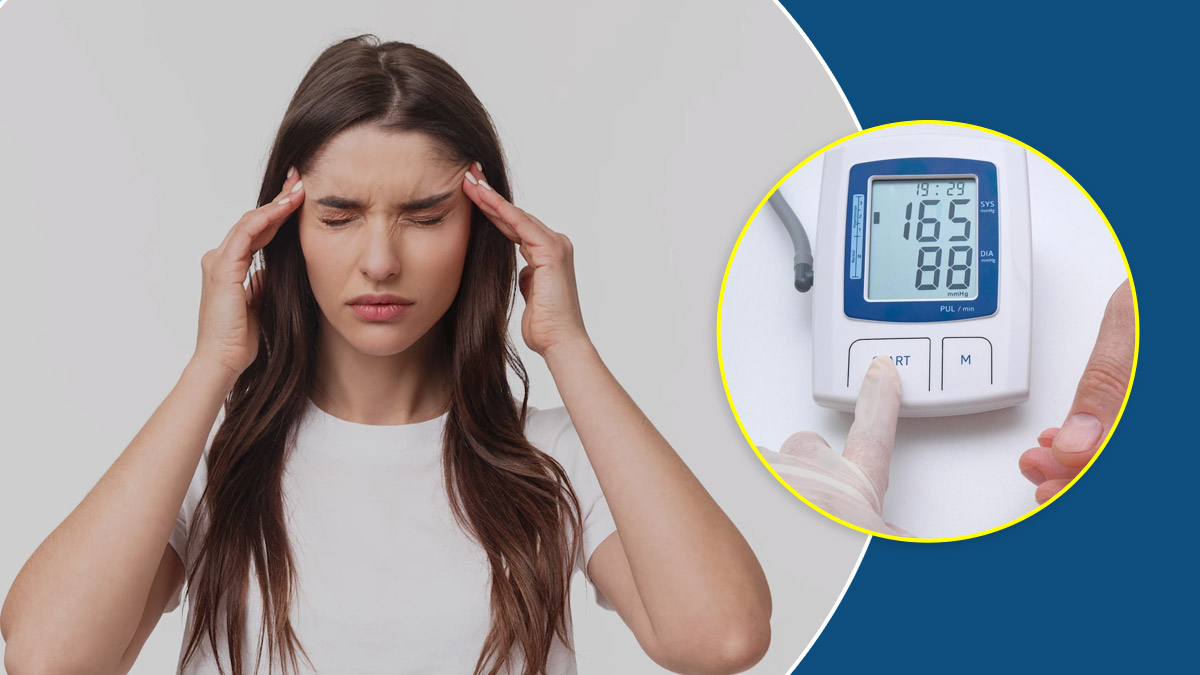
High blood pressure (hypertension) caused by stress is a common issue, and it’s important to address both the immediate spikes and long-term effects. Here’s a comprehensive breakdown of what to keep in mind and how to manage it:
1. Understand the Connection Between Stress and Blood Pressure
- Stress triggers hormones: When stressed, your body releases adrenaline and cortisol, which increase heart rate and narrow blood vessels, temporarily raising blood pressure.
- Chronic stress impact: Persistent stress can contribute to long-term hypertension and increase the risk of heart disease, stroke, and kidney problems.
2. Lifestyle Modifications
a. Diet
- Reduce salt intake: Excess sodium makes the body retain water, increasing blood pressure.
- Eat potassium-rich foods: Bananas, spinach, beans, and sweet potatoes help balance sodium.
- Limit caffeine and alcohol: Both can spike blood pressure temporarily.
- Include heart-healthy foods: Whole grains, fruits, vegetables, lean protein, and healthy fats (nuts, olive oil) are beneficial.
b. Physical Activity
- Regular exercise: 30–45 minutes of walking, yoga, swimming, or cycling most days lowers stress and blood pressure.
- Relaxing exercises: Yoga and deep-breathing exercises help reduce stress hormones.
c. Sleep
- Prioritize sleep: Poor sleep increases stress and blood pressure. Aim for 7–8 hours nightly.
- Maintain a routine: Going to bed and waking up at the same time improves sleep quality.
3. Stress Management Techniques
- Deep breathing and meditation: Slows heart rate and lowers stress hormones.
- Mindfulness and journaling: Helps process stressful thoughts and reduces anxiety.
- Hobbies and relaxation: Music, reading, gardening, or painting can lower stress naturally.
- Social support: Talking to family or friends can reduce emotional stress.
4. Monitor Your Blood Pressure
- Regular checks: Keep track of your blood pressure at home.
- Recognize spikes: Stress-induced spikes are usually temporary, but frequent elevation should be discussed with a doctor.
5. Avoid Harmful Coping Mechanisms
- Don’t rely on smoking, alcohol, or junk food to relieve stress—they worsen blood pressure in the long run.
6. Medical Support
- Consult a doctor: If stress and high blood pressure are persistent, medication may be necessary.
- Therapy: Counseling or cognitive behavioral therapy (CBT) can help manage stress effectively.
7. Quick Stress-Relief Practices During High BP Spikes
- Sit quietly and breathe deeply for 5–10 minutes.
- Drink a glass of water; dehydration can worsen stress effects.
- Step outside for fresh air or take a short walk.
- Listen to calming music.
✅ Key Takeaway:
Stress can temporarily or chronically increase blood pressure, but combining lifestyle changes, stress management, monitoring, and medical guidance can help control it effectively. Small daily habits—like walking, meditating, eating well, and sleeping enough—have a huge cumulative effect.
Disclaimer: This article is for informational and educational purposes only and should not be considered medical advice. Always consult a qualified healthcare professional before making any health, diet, or treatment decisions. SehatTak is not responsible for any actions taken based on this information.

