



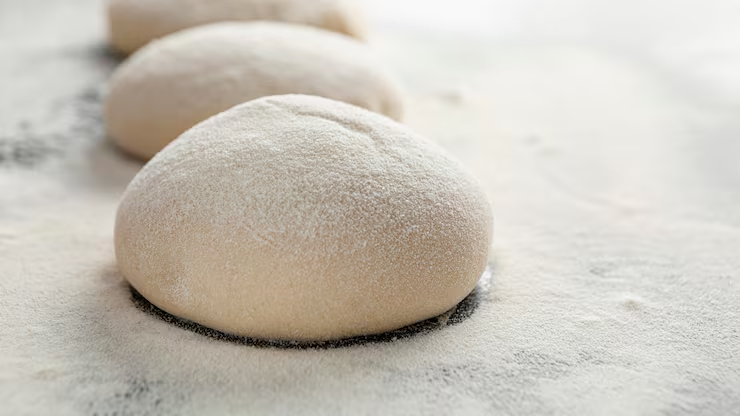
Is Refrigerated Dough Making You Sick? A Doctor Issues a Serious Warning
Many people store leftover wheat dough in the refrigerator to save time, but health experts warn that improper storage can increase the risk of food contamination. Here are 7 important points to know:
- Bacterial Growth Can Occur
Even in the refrigerator, bacteria and fungi can slowly grow if the dough is stored for too long or in unhygienic conditions. - Nutritional Quality May Decline
Stored dough can gradually lose some of its freshness, texture, and nutritional value compared to freshly prepared dough. - Risk of Food Poisoning
Consuming rotis made from spoiled dough may lead to stomach pain, nausea, vomiting, or diarrhea. - Watch for Warning Signs
A sour smell, discoloration, slimy texture, or visible mold indicates that the dough should be discarded immediately. - Use Within 24–48 Hours
Experts generally recommend using refrigerated wheat dough within one to two days for safety and quality. - Store Properly
Keep the dough in an airtight container to reduce exposure to moisture, odors, and contaminants. - Fresh Dough Is the Best Option
Preparing fresh dough whenever possible minimizes the risk of contamination and ensures better taste and texture.
Disclaimer: This article is for informational and educational purposes only and should not be considered medical advice. Always consult a qualified healthcare professional before making any health, diet, or treatment decisions. SehatTak is not responsible for any actions taken based on this information.

