



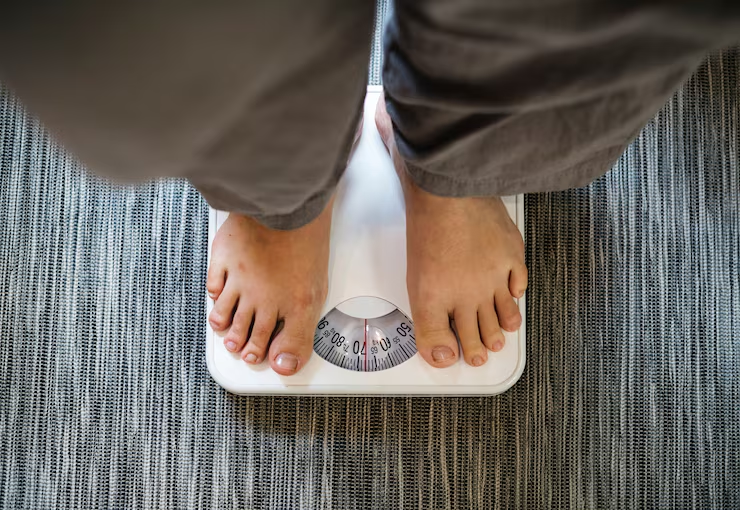
BMI (Body Mass Index) is one of the most commonly used tools to determine whether a person is underweight, healthy, overweight, or obese. It is calculated using a person’s weight and height. However, many experts now believe that BMI does not always provide a complete picture of health.
7 Key Reasons Why BMI Is Being Questioned
1. BMI Doesn’t Measure Body Fat
BMI only considers height and weight. It cannot tell how much of your weight comes from fat, muscle, or bone.
2. Muscular People Can Be Misclassified
Athletes and people with high muscle mass may have a high BMI and be labeled overweight or obese, even though they have low body fat.
3. Fat Distribution Matters
BMI cannot show where fat is stored. Fat around the abdomen is linked to a higher risk of heart disease and diabetes than fat stored elsewhere.
4. It Ignores Age Differences
As people age, they often lose muscle and gain fat. Two people with the same BMI may have very different body compositions and health risks.
5. Men and Women Have Different Body Compositions
Women naturally tend to have a higher percentage of body fat than men, but BMI does not account for these biological differences.
6. Ethnic Differences Are Overlooked
Research suggests that health risks associated with BMI can vary among different ethnic groups, making the standard BMI ranges less accurate for everyone.
7. Health Is More Than a Number
A person with a “normal” BMI can still have high blood pressure, high cholesterol, or other health problems, while someone with a higher BMI may be metabolically healthy.
What Should Be Used Alongside BMI?
Experts recommend combining BMI with:
- Waist circumference
- Body fat percentage
- Blood pressure measurements
- Cholesterol and blood sugar tests
- Physical activity and fitness levels
Conclusion
BMI remains a useful screening tool, but it should not be considered the final measure of health or obesity. A more complete assessment of body composition and overall health provides a clearer picture of a person’s well-being.

