



Explanation & Detailed Thinking:
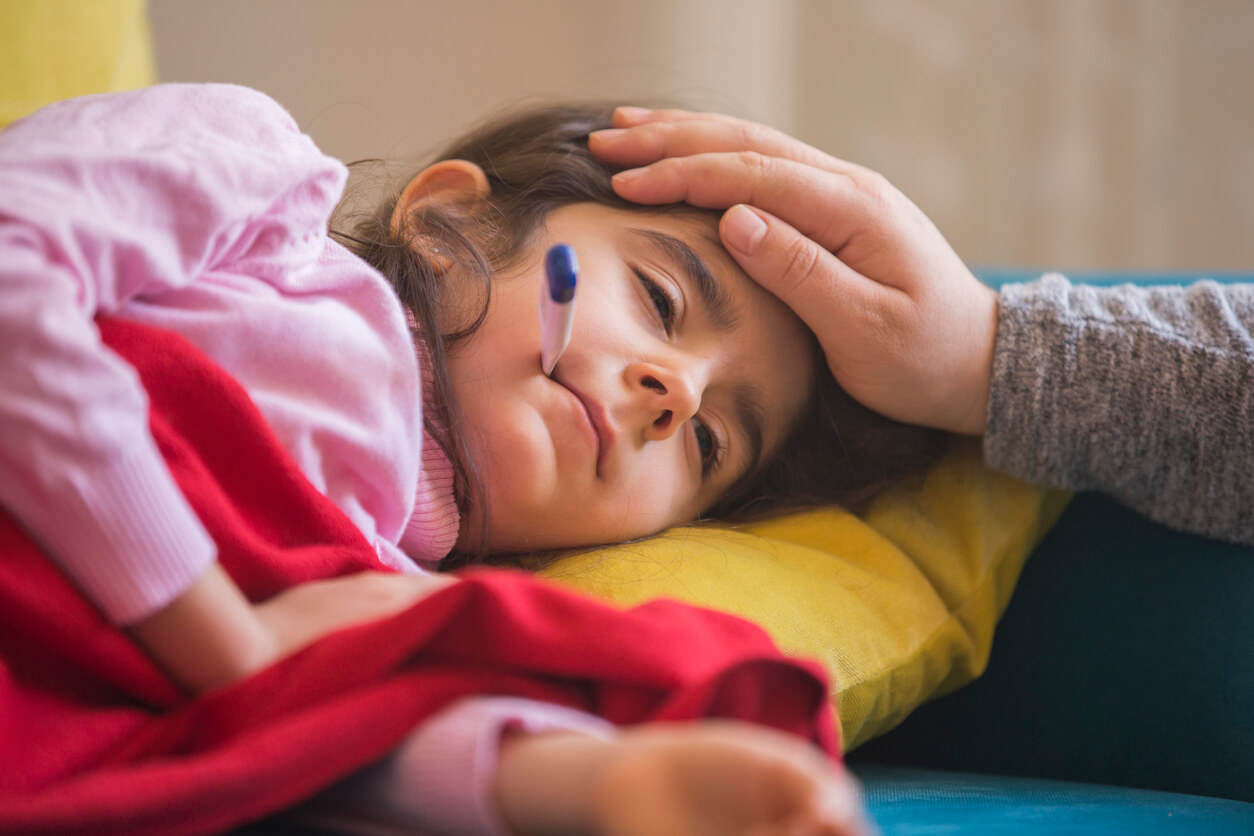
If your child often catches colds, coughs, fever, or infections, it’s not always “just a phase.” Frequent illness may signal deeper health issues that need attention. Here are 5 possible serious reasons you should not ignore — along with what to do about them:
1. Weak Immune System
A child’s immune system is still developing, but if it’s too weak, even minor viruses or bacteria can cause repeated sickness.
Possible causes: poor nutrition, lack of sleep, stress, or exposure to secondhand smoke.
What to do:
- Ensure a balanced diet rich in fruits, vegetables, whole grains, and proteins.
- Encourage outdoor play and moderate sunlight for vitamin D.
- Avoid unnecessary antibiotics, as they can reduce natural immunity.
2. Nutritional Deficiency
Deficiency of essential nutrients like vitamin C, D, B12, iron, or zinc weakens the body’s ability to fight infections.
Signs: pale skin, fatigue, poor appetite, slow growth, or frequent respiratory infections.
What to do:
- Add nutrient-rich foods — like spinach, eggs, lentils, citrus fruits, nuts, and dairy.
- Consult a pediatrician for a blood test if you suspect a deficiency.
3. Allergies or Environmental Triggers
Children are sensitive to allergens like dust, mold, pet dander, or pollen, which can cause frequent colds or coughs that mimic infections.
What to do:
- Keep your home clean and well-ventilated.
- Identify triggers and limit exposure.
- Seek allergy testing if symptoms are persistent or seasonal.
4. Chronic Infections or Undiagnosed Conditions
Sometimes repeated illness signals a chronic infection (like tonsillitis, sinusitis, or ear infection) or even conditions like asthma or anemia.
What to do:
- Monitor symptoms — for example, constant sore throat, nasal congestion, or breathing issues.
- A pediatric check-up can help detect long-term issues early.
5. Poor Hygiene or Exposure in Crowded Places
Children who attend school or daycare are exposed to germs more often. Poor handwashing habits or unsafe food/water increase infection risk.
What to do:
- Teach your child proper handwashing (before eating and after using the bathroom).
- Avoid sharing utensils, bottles, or towels.
- Ensure safe drinking water and proper sanitation at home.
Final Thought:
Frequent sickness is not always “normal” for growing children. It’s a signal that the body is struggling — either from poor nutrition, low immunity, or hidden infections. Timely medical advice, a strong diet, proper hygiene, and adequate rest can help your child build lasting health and resilience.

