



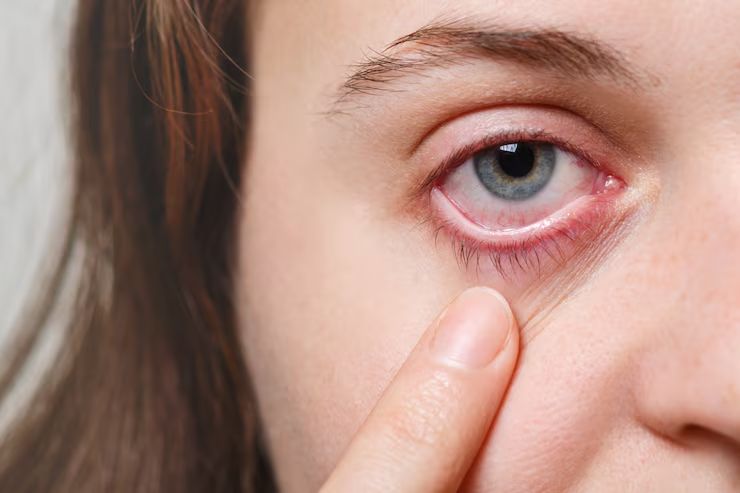
Our eyes are sensitive, and certain everyday habits can cause dryness, irritation, eye strain, and blurred vision. The risk is not limited to using mobile phones or laptops. Small mistakes in our daily routine can also affect eye health.
1. Rubbing Your Eyes Frequently
Rubbing your eyes with your hands can transfer germs and dirt, causing irritation or infection. Frequent, forceful rubbing may also damage the cornea over time.
2. Not Blinking Enough
When we concentrate on reading, watching videos, or working, we tend to blink less often. This can make the eyes dry, tired, and uncomfortable.
3. Reading in Poor Lighting
Reading in very dim light can cause eye strain, headaches, and temporary discomfort. Use comfortable, adequate lighting while reading.
4. Not Getting Enough Sleep
Lack of sleep can lead to red, dry, puffy, and tired eyes. Getting sufficient sleep helps the eyes recover and remain comfortable.
5. Using Expired Eye Makeup
Old mascara, eyeliner, and other eye makeup can collect bacteria and increase the risk of irritation and eye infections. Always check expiry dates and remove makeup before sleeping.
6. Wearing Contact Lenses Incorrectly
Sleeping in contact lenses without medical approval, wearing them for too long, or failing to clean them properly can increase the risk of serious eye infections.
7. Ignoring Dryness and Blurred Vision
Repeated eye dryness, redness, headaches, or blurred vision should not be ignored. These symptoms may result from eye strain or other conditions that require an eye examination.
How to Protect Your Eyes
- Follow the 20-20-20 rule: every 20 minutes, look at something about 20 feet away for 20 seconds.
- Wash your hands before touching your eyes.
- Take regular breaks from screens and blink consciously.
- Maintain a healthy sleep schedule.
- Get regular eye check-ups and seek medical advice for persistent symptoms.
Remember: Screen use and poor daily habits can contribute to eye discomfort, but dim lighting alone does not usually cause permanent eye damage. Sudden vision loss or sudden changes in vision require urgent medical attention.

