



What Does a Nosebleed in Summer Indicate? A Doctor Explains When You Should Rush to the Hospital
Nosebleeds are quite common during the summer months and, in most cases, are not a sign of a serious illness. Hot weather, dry air, dehydration, and frequent exposure to air conditioning can dry out the delicate blood vessels inside the nose, making them more likely to rupture and bleed.
Why Do Nosebleeds Happen More Often in Summer?
1. Hot and Dry Weather
High temperatures can dry out the nasal lining, causing tiny blood vessels to crack and bleed.
2. Dehydration
Not drinking enough water reduces moisture in the body, including inside the nose, increasing the risk of bleeding.
3. Excessive Use of Air Conditioners
Air-conditioned environments often have low humidity, which can dry out the nasal passages.
4. Nose Picking or Rubbing
Dryness can cause irritation and itching, leading people to rub or pick their nose, which may trigger bleeding.
5. Allergies and Infections
Seasonal allergies or respiratory infections can inflame the nasal lining and make bleeding more likely.
6. High Blood Pressure
In some cases, frequent or heavy nosebleeds may be linked to uncontrolled high blood pressure, especially in older adults.
What Should You Do During a Nosebleed?
- Sit upright and lean slightly forward.
- Pinch the soft part of your nose firmly for 10–15 minutes.
- Breathe through your mouth.
- Apply a cold compress or ice pack to the bridge of the nose.
- Avoid lying down or tilting your head backward, as this can cause blood to flow into the throat.
When Should You Rush to the Hospital?
Seek immediate medical attention if:
- The bleeding continues for more than 20 minutes despite pressure.
- The bleeding is very heavy or difficult to control.
- The nosebleed occurs after a serious injury or accident.
- You feel dizzy, weak, faint, or have trouble breathing.
- Nosebleeds happen frequently without an obvious reason.
- You are taking blood-thinning medications.
- The bleeding is accompanied by severe headache, chest pain, or extremely high blood pressure.
How to Prevent Summer Nosebleeds
- Drink plenty of water throughout the day.
- Use a humidifier if indoor air is dry.
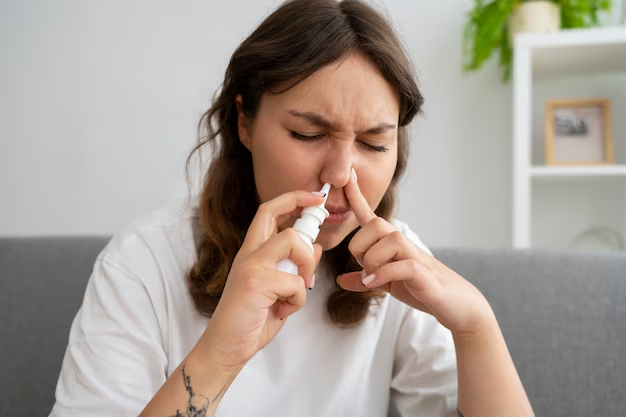
- Apply saline nasal spray to keep the nose moist.
- Avoid picking or forcefully blowing your nose.
- Protect yourself from excessive heat exposure.
Conclusion
Most summer nosebleeds are caused by heat, dryness, and dehydration and usually stop on their own. However, persistent, heavy, or recurrent bleeding may indicate an underlying medical problem and should be evaluated by a doctor promptly.

