



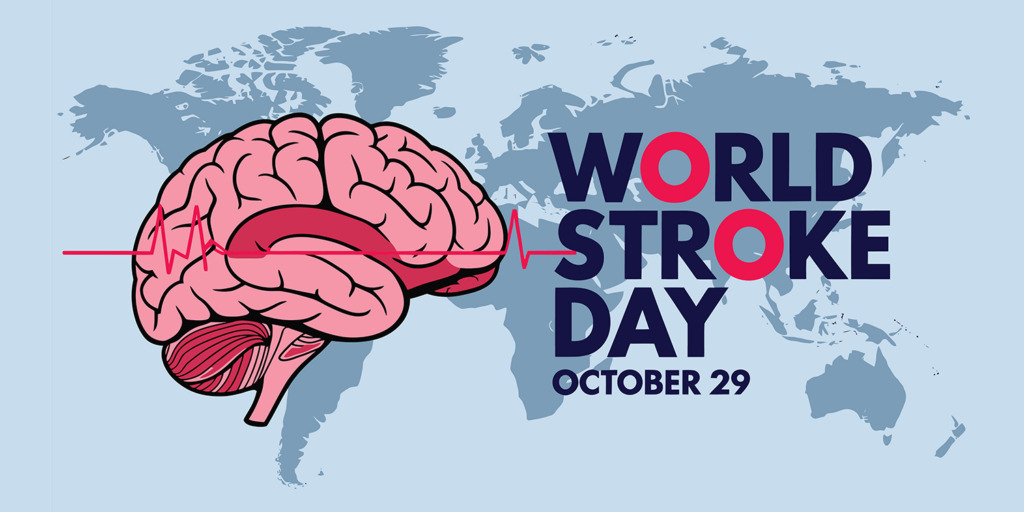
World Stroke Day is observed every year on October 29 to raise awareness about stroke prevention, early detection, and timely treatment. A stroke is a medical emergency that occurs when blood flow to part of the brain is interrupted or when a blood vessel in the brain bursts.
Recognizing the symptoms early and seeking immediate medical attention can save lives and reduce the risk of permanent disability.
1. Sudden Weakness or Numbness
Sudden weakness or numbness in the face, arm, or leg, particularly on one side of the body, is one of the most common warning signs of a stroke. A person may suddenly find it difficult to lift one arm, walk steadily, or hold objects.
2. Slurred Speech or Difficulty Speaking
A person experiencing a stroke may suddenly speak unclearly, struggle to find the right words, or have difficulty understanding what others are saying. These symptoms should never be ignored, even if they disappear after a few minutes.
3. Drooping on One Side of the Face
One side of the face may suddenly droop or feel numb. Ask the person to smile. If their smile appears uneven, it could be a warning sign of a stroke.
4. Other Warning Signs of a Stroke
Apart from weakness and speech difficulties, watch for these sudden symptoms:
- Vision problems: Blurred vision, double vision, or sudden loss of sight.
- Loss of balance: Sudden dizziness, difficulty walking, or poor coordination.
- Severe headache: A sudden, unusually intense headache with no apparent cause.
- Confusion: Sudden difficulty understanding people or responding appropriately.
5. Remember B.E. F.A.S.T.
- B – Balance: Sudden loss of balance.
- E – Eyes: Sudden vision changes.
- F – Face: One side of the face droops.
- A – Arms: Weakness in one arm.
- S – Speech: Slurred or unusual speech.
- T – Time: Call emergency services immediately.
6. What Should You Do If Someone Has a Stroke?
A stroke requires immediate medical attention. If you notice any warning signs:
- Call 112 in India for emergency assistance.
- Note the time the symptoms began or when the person was last known to be well.
- Do not wait for symptoms to disappear, even if the person feels better.
- Do not give food, drinks, or medicines such as aspirin unless directed by a medical professional.
- Do not drive the person yourself if an ambulance is available.
7. How Can You Reduce the Risk of Stroke?
Although not all strokes can be prevented, healthy habits can lower the risk.
- Keep blood pressure under control.
- Monitor blood sugar and cholesterol.
- Eat a balanced diet with plenty of fruits and vegetables.
- Exercise regularly.
- Avoid smoking and tobacco.
- Maintain a healthy weight and follow prescribed treatment for existing medical conditions.
Conclusion
On World Stroke Day 2026, remember that every minute counts when a stroke occurs. Sudden weakness, facial drooping, slurred speech, vision changes, or loss of balance should never be ignored. Recognizing the signs and getting emergency medical help immediately can save a life and improve recovery.

