



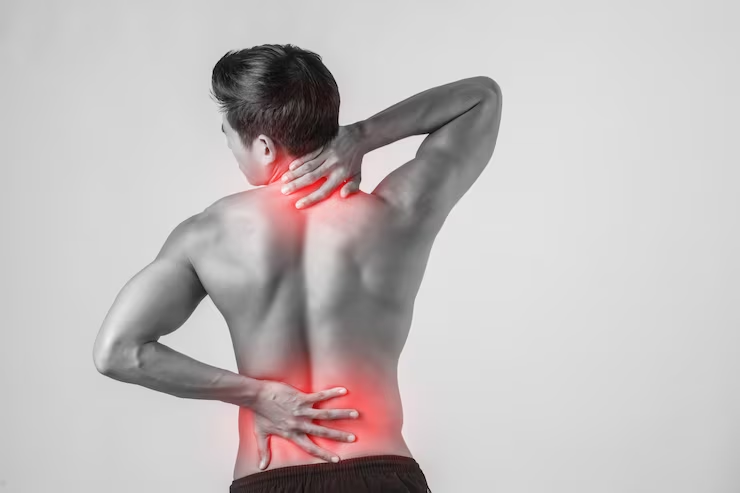
Whether you are experiencing back pain, muscle soreness, swelling, or a sudden injury, applying a hot or cold compress can help relieve discomfort. However, choosing the right one depends on the type of pain and its cause.
1. When Should You Use a Cold Compress?
A cold compress is generally best for recent injuries, swelling, and inflammation. It helps reduce pain and can limit swelling.
Use a cold compress for:
- Sudden sprains and strains.
- Swelling after an injury.
- Bruises and minor sports injuries.
- Pain accompanied by inflammation.
How to use it: Wrap an ice pack in a thin towel and apply it for 15–20 minutes at a time. Never place ice directly on your skin.
2. When Should You Use a Hot Compress?
A hot compress helps relax tight muscles, improves local blood flow, and reduces stiffness.
Use a hot compress for:
- Muscle tightness and stiffness.
- Mild, ongoing lower back pain.
- Neck and shoulder tension.
- Muscle cramps and discomfort caused by stiffness.
How to use it: Apply a comfortably warm heating pad or hot-water bag for 15–20 minutes. Avoid excessive heat, and never sleep with a heating pad switched on.
3. Hot vs. Cold Compress: Quick Comparison
| Condition | Better choice |
|---|---|
| Fresh injury with swelling | Cold |
| Sudden ankle sprain | Cold |
| Stiff back muscles | Heat |
| Ongoing muscle tightness | Heat |
| Recent back injury with swelling | Cold initially |
| Chronic stiffness without swelling | Heat |
4. What Should You Do for Back Pain?
The right approach depends on the symptoms. For ordinary muscle stiffness or nonspecific lower back pain, heat often provides better relief. If the pain follows a recent injury and there is swelling, cold may be more helpful initially.
Gentle movement and avoiding prolonged bed rest can also help with uncomplicated back pain.
5. Important Precautions
- Never apply ice or very hot objects directly to the skin.
- Stop if you experience burning, excessive numbness, or skin discoloration.
- Be extra cautious if you have reduced skin sensation or poor circulation.
- Seek medical attention for severe pain, major swelling, suspected fracture, or pain that is worsening.
Seek emergency care for back pain accompanied by new leg weakness, numbness around the groin, or loss of bladder or bowel control.
Conclusion
Both hot and cold compresses can help relieve pain when used correctly. Remember the simple rule: cold for a fresh injury with swelling, and heat for muscle stiffness and tightness. If pain persists or worsens, consult a healthcare professional rather than relying only on compresses.

