



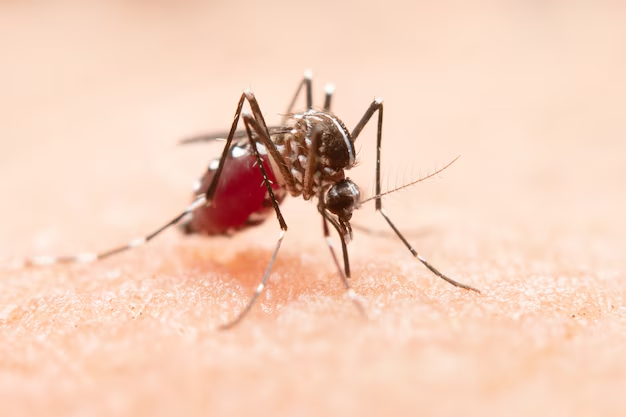
Dengue is a mosquito-borne viral infection transmitted mainly by infected Aedes mosquitoes, which are active during the daytime. Although dengue cases often increase during the monsoon because stagnant water creates breeding sites, transmission can occur whenever conditions support mosquito breeding. Therefore, a fever should not automatically be dismissed as a simple viral infection.
1. Do not ignore persistent high fever
Dengue commonly causes high fever along with symptoms such as severe headache, pain behind the eyes, muscle and joint pain, nausea, vomiting, and skin rashes. If these symptoms appear, medical advice should be sought rather than self-diagnosing it as a common viral fever.
2. Fever going down does not always mean recovery
One of the most important warnings is that severe dengue can develop when the fever starts to subside, particularly around the critical phase of the illness. Severe abdominal pain, persistent vomiting, bleeding from the gums or nose, rapid breathing, extreme weakness, restlessness, or blood in vomit or stool require immediate medical attention.
3. Avoid self-medication with certain painkillers
If dengue is suspected, aspirin and ibuprofen should generally be avoided unless specifically advised by a doctor, as they can increase the risk of bleeding. Paracetamol may be used for fever or pain according to medical advice. Adequate fluids and rest are also important.
4. Protect yourself from mosquito bites throughout the year
The Aedes mosquito primarily bites during the day, especially in the early morning and before dusk. Use mosquito repellents, wear clothing that covers exposed skin, use window screens, and take precautions even at home, school, or the workplace.
5. Eliminate stagnant water
Dengue mosquitoes can breed in small amounts of standing water. Regularly check flowerpot trays, coolers, buckets, tyres, discarded containers, rooftops, and water-storage vessels. Empty and clean water-holding containers at least once a week, and keep necessary water containers covered.
6. Previous dengue infection does not guarantee complete protection
Dengue has four major virus serotypes. Infection with one serotype does not provide complete protection against all others, and a subsequent infection can increase the risk of severe dengue.
Bottom line
Every fever is not dengue—but every persistent or unusual fever should be taken seriously. Early medical evaluation, proper hydration, monitoring for warning signs, and consistent mosquito-control measures can significantly reduce the risk of serious complications.
Disclaimer: This information is for awareness and does not replace a medical consultation. If dengue is suspected or warning signs appear, seek medical care promptly.

