



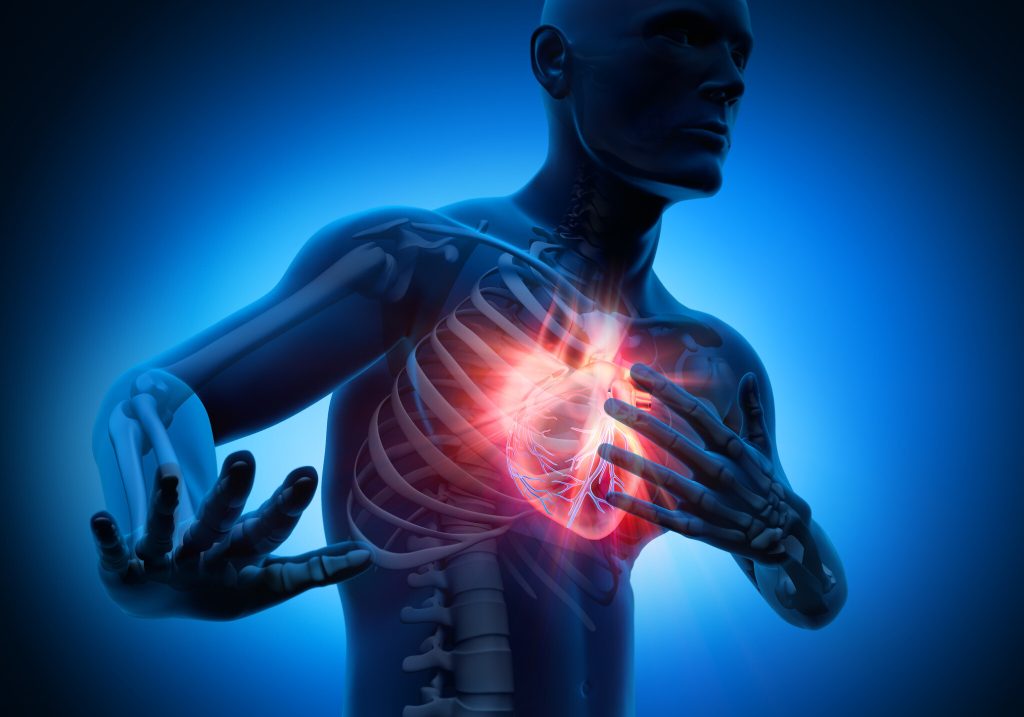
Women often experience heart attack symptoms later and different from men because of biological, hormonal, and diagnostic differences. Here’s why:
1. Symptoms are often “atypical”
Men usually feel classic chest pain, but women may have:
- Unusual fatigue
- Nausea or vomiting
- Shortness of breath
- Jaw, neck, back, or shoulder pain
- Dizziness or cold sweats
These don’t always look like a heart attack, so women delay seeking help.
2. Smaller arteries and different blockage pattern
Women more often develop microvascular disease (blockage in tiny arteries), not just large artery blockage.
This causes gradual or vague symptoms, not sudden crushing chest pain.
3. Hormonal protection delays onset
Estrogen protects the heart before menopause.
After menopause, risk rises — so women often get heart attacks 10 years later than men.
4. Symptoms mistaken for stress or acidity
Women and even doctors sometimes misinterpret symptoms as:
- Anxiety
- Gas or acidity
- Muscle pain
- Fatigue
This delays diagnosis and treatment.
5. Higher pain tolerance & delayed response
Many women ignore early signs and continue working, assuming it’s minor — leading to late hospital arrival.
Warning signs in women (don’t ignore)
- Extreme tiredness without reason
- Pressure in chest (not always severe)
- Pain in upper back, jaw, or neck
- Breathlessness
- Nausea with sweating

