



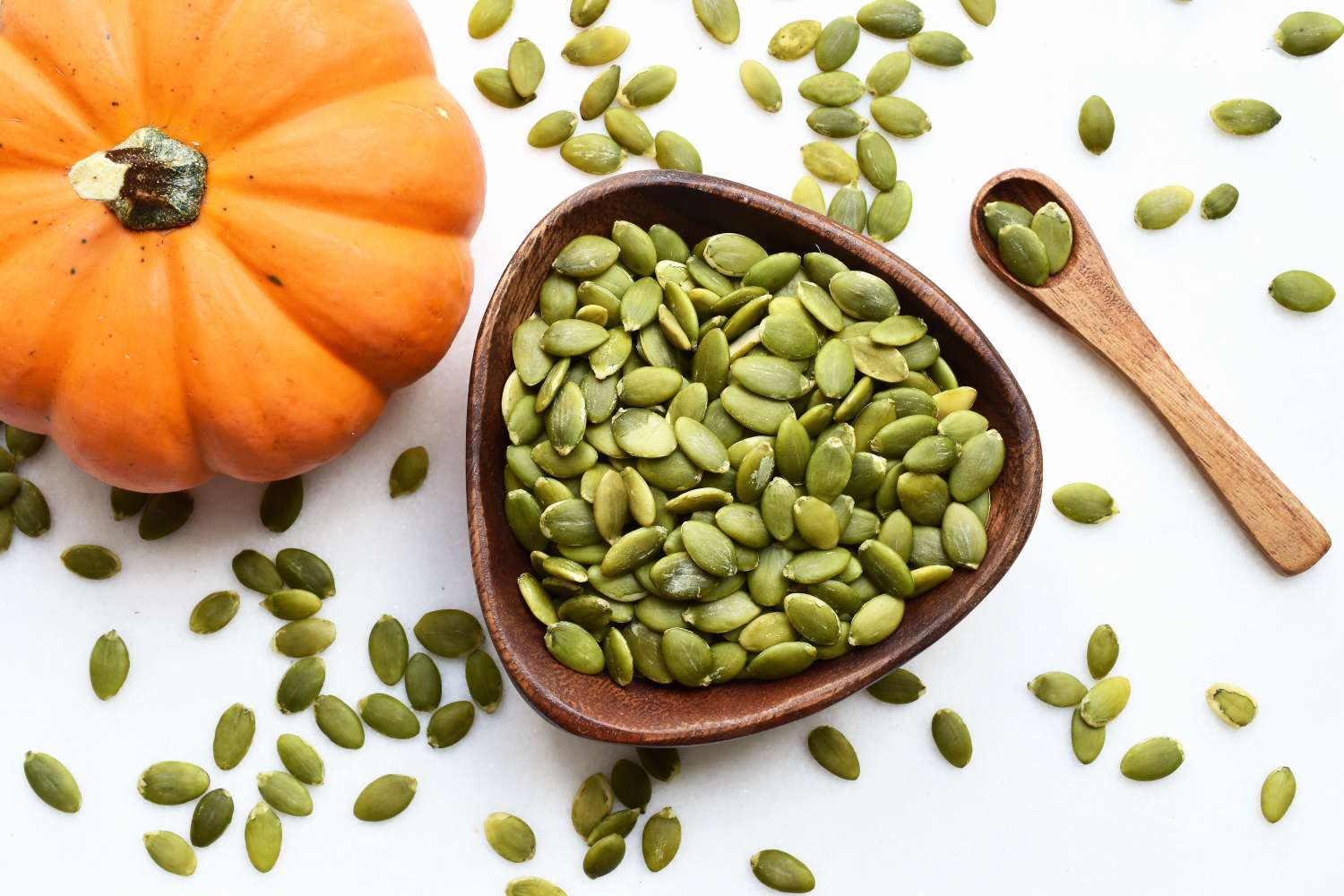
Can a Spoonful of Pumpkin Seeds Really Help Reduce Belly Fat?
Belly fat is one of the most common concerns among people trying to improve their health and appearance. Because of this, many foods are promoted as “fat burners,” and pumpkin seeds are sometimes presented as a simple morning remedy for getting rid of belly fat within days.
The truth is more balanced.
Pumpkin seeds are a nutritious food containing protein, healthy fats, fiber, and important minerals such as magnesium and zinc. They can be a useful addition to a balanced diet, particularly when they replace less nutritious snacks. However, there is no strong evidence that eating a spoonful of pumpkin seeds by itself specifically burns belly fat or produces visible fat loss within a few days.
Weight loss generally happens when your overall energy intake is lower than the amount of energy your body uses over time. Research also shows that reductions in total body fat are associated with reductions in abdominal fat.
So, pumpkin seeds may support your overall eating pattern—but they are not a magic solution.
Why Pumpkin Seeds Can Be a Smart Addition to Your Diet
Pumpkin seeds, also known as pepitas when the shells have been removed, are nutrient-dense.
USDA-derived nutrition data show that roasted, shelled pumpkin seeds provide substantial amounts of protein, fat, fiber, magnesium, phosphorus, zinc, and other nutrients. They are also relatively calorie-dense because they contain a considerable amount of fat.
That combination can make them a satisfying food.
1. They provide protein
Protein is important for maintaining muscle and supporting fullness. Including protein-containing foods in meals can make it easier for some people to control hunger and avoid unnecessary snacking.
Pumpkin seeds can therefore complement foods such as yogurt, oats, fruit, or eggs rather than being treated as a standalone “fat-burning” remedy.
2. They contain fiber
Fiber can contribute to fullness and digestive health. Research examining dietary fiber has found that increasing fiber intake can sometimes reduce appetite and energy intake, although the effect varies depending on the type and amount of fiber.
This is one reason pumpkin seeds can fit into a weight-management diet.
However, more fiber does not automatically mean more fat loss. Your overall diet still matters.
3. They contain healthy unsaturated fats
Pumpkin seeds contain mostly unsaturated fats, which can be part of a healthy eating pattern.
But there is an important point to remember: healthy fats still contain calories. Eating very large quantities of pumpkin seeds can increase your calorie intake rather than reduce it.
That is why portion size matters.
4. They are rich in minerals
Pumpkin seeds are particularly notable for minerals such as magnesium, phosphorus, zinc, and manganese.
These nutrients perform many important functions in the body, although getting more of them does not mean that pumpkin seeds directly burn abdominal fat.
The Best Way to Eat Pumpkin Seeds in the Morning
If you enjoy pumpkin seeds, a simple approach is to use about 1 tablespoon (roughly 10–15 grams) as part of breakfast.
You can eat them:
- Sprinkled over plain yogurt
- Mixed into oatmeal
- Added to a fruit-and-yogurt bowl
- Combined with a vegetable or protein-rich breakfast
- Added to a smoothie bowl
- Eaten as a small snack instead of sweets or highly processed snacks
Choose plain or lightly roasted, unsalted pumpkin seeds when possible.
You do not need to soak them, combine them with a special drink, or eat them on an empty stomach for them to “activate” fat burning. There is no good evidence that a particular morning preparation makes pumpkin seeds selectively burn belly fat.
Should You Eat Them on an Empty Stomach?
Not necessarily.
There is nothing special about consuming pumpkin seeds immediately after waking up. The more important question is whether they fit into your overall calorie and nutrition needs.
If eating a tablespoon of pumpkin seeds with breakfast helps you feel satisfied and prevents you from reaching for a sugary snack later, that can be useful.
If you already eat a large breakfast and simply add pumpkin seeds on top, however, you are adding calories rather than necessarily creating a calorie deficit.
Can Pumpkin Seeds Reduce Belly Fat in a Few Days?
This is where viral health claims often become misleading.
You should not expect a spoonful of pumpkin seeds to visibly remove belly fat within a few days.
Body fat does not disappear from one specific area simply because you eat one particular food. Fat loss is a longer-term process involving your overall calorie intake, food choices, physical activity, sleep, genetics, and other factors.
Research has found that changes in total body fat are associated with changes in abdominal fat, and exercise programs can reduce abdominal and visceral fat in adults with overweight or obesity.
Therefore, if your goal is a smaller waist, think beyond one food.
What Should You Do Along With Eating Pumpkin Seeds?
1. Create a sustainable calorie deficit
You do not need to starve yourself.
Instead, focus on gradually improving portion sizes and choosing foods that provide protein, fiber, fruits and vegetables, and minimally processed carbohydrates.
2. Increase physical activity
Walking, cycling, swimming, strength training, and other forms of exercise can contribute to weight management.
The CDC’s Physical Activity Guidelines recommend at least 150 minutes of moderate-intensity aerobic activity per week for general health, while some people trying to lose weight may need more activity depending on their individual circumstances.
3. Include strength training
Strength training can help maintain or build muscle while you are losing weight.
A combination of resistance training and aerobic activity is often more useful for body composition than relying on a single food or exercise.
4. Prioritize protein and fiber
A breakfast containing protein and fiber may be more satisfying than a breakfast dominated by refined carbohydrates and added sugars.
For example, you could combine:
Plain yogurt + fruit + oats + 1 tablespoon pumpkin seeds
This gives you a more balanced meal than simply eating pumpkin seeds alone.
5. Watch liquid calories and highly processed snacks
Sugary drinks, sweetened coffee beverages, desserts, fried snacks, and frequent high-calorie snacks can make it difficult to maintain a calorie deficit.
Replacing some of these foods with nutrient-dense choices can be more impactful than adding a so-called “fat-burning” food.
How Many Pumpkin Seeds Should You Eat?
A practical starting portion is 1 tablespoon per day, particularly if you are adding them to an existing meal.
You can eat more depending on your overall diet and calorie needs, but remember that pumpkin seeds are calorie-dense.
More is not necessarily better.
For someone trying to lose weight, replacing a less nutritious snack with a measured portion of pumpkin seeds may be more helpful than simply adding seeds to everything they already eat.
What About Pumpkin Seed Water or Soaked Pumpkin Seeds?
You may see recipes recommending soaked pumpkin seeds, pumpkin-seed water, or pumpkin seeds mixed with lemon water as a special belly-fat remedy.
There is currently no convincing evidence that these preparations cause rapid abdominal fat loss.
If you enjoy soaked pumpkin seeds, there is nothing inherently wrong with eating them, provided they fit your dietary needs. But soaking does not turn them into a fat-burning food.
Who Should Be Careful?
Pumpkin seeds are generally a nutritious food, but they are not appropriate for everyone in unlimited quantities.
People with seed allergies should avoid them. Individuals following medically prescribed diets, including diets requiring specific calorie, mineral, or nutrient restrictions, should follow advice from their healthcare professional.
Also pay attention to packaged varieties. Heavily salted, sugar-coated, or flavored pumpkin seeds may contain substantially more sodium, sugar, or calories than plain varieties.
The Bottom Line
Pumpkin seeds deserve a place in a healthy diet because they provide protein, fiber, healthy fats, and several important minerals.
But the idea that “one spoonful every morning will melt belly fat in a few days” is an exaggeration.
The smarter approach is to use pumpkin seeds as one small part of a sustainable weight-management routine. A tablespoon of plain pumpkin seeds added to a balanced breakfast can be a nutritious choice, especially when it replaces a less nutritious snack.
For reducing belly fat, focus on the bigger picture: a sustainable calorie deficit when appropriate, nutritious meals, adequate protein and fiber, regular physical activity, strength training, good sleep, and consistency.
Pumpkin seeds can support a healthy diet. They cannot do all the work for you.
Quick Takeaway
Best simple method: Add about 1 tablespoon of plain pumpkin seeds to your breakfast, such as yogurt or oatmeal.
What they can provide: Protein, fiber, healthy fats, magnesium, zinc, phosphorus, and other nutrients.
What they cannot do: Selectively burn belly fat or guarantee visible results within a few days.
What actually matters: Your overall diet, calorie balance, physical activity, and consistency over time.

