



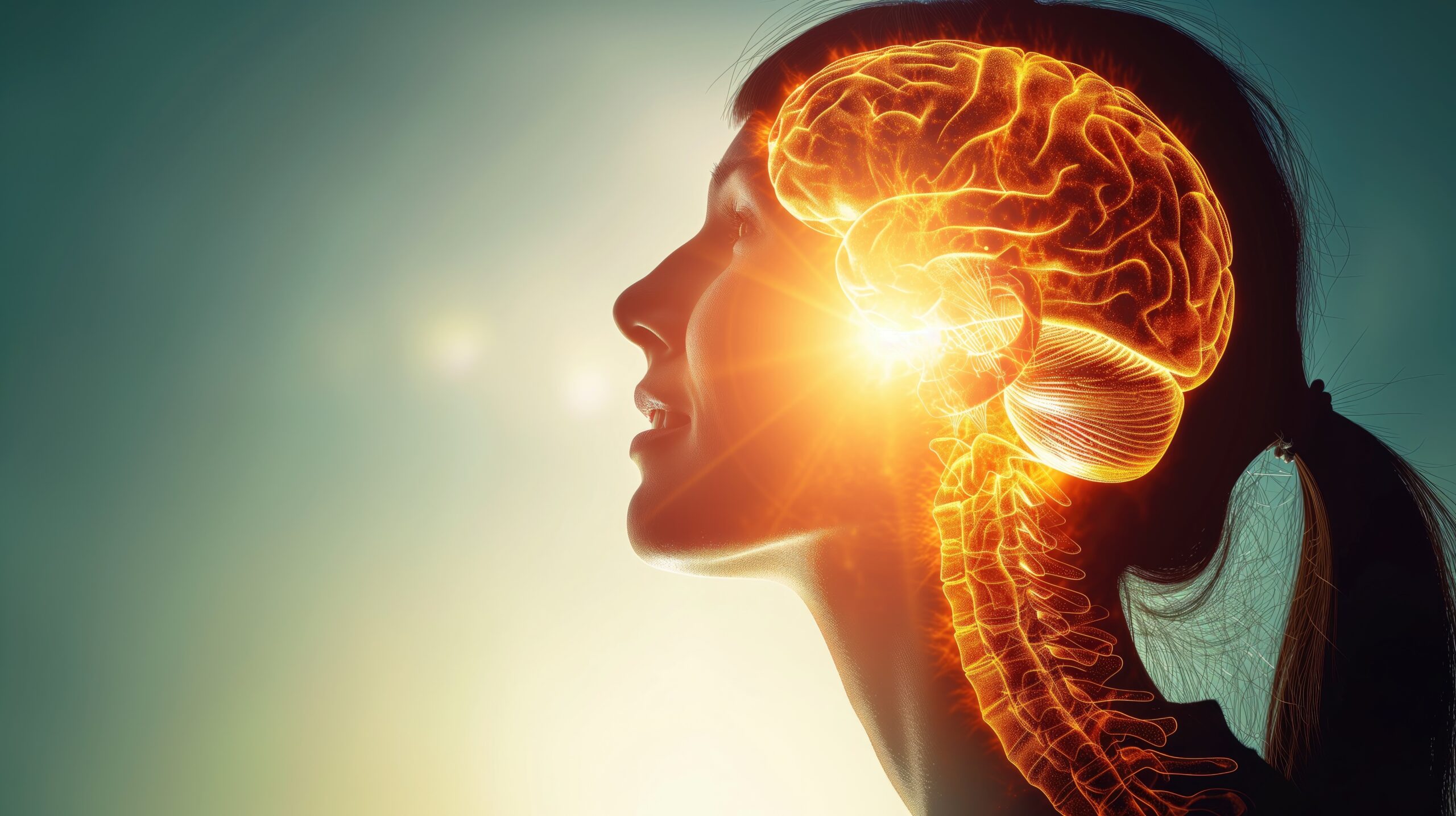
The statement means that the brain does not necessarily need a huge number of neurons dedicated to every individual task. Instead, the same neurons can participate in many different functions by forming flexible connections and working in different patterns.
🧠 What are neurons?
Neurons are the brain’s nerve cells. They communicate with one another using electrical signals and chemical messengers. The human brain contains roughly 86 billion neurons.
But having billions of neurons doesn’t mean each neuron has only one job.
🔄 How can the same neurons do multiple tasks?
Think of neurons like members of a large team. The same people can work together in different groups depending on the task.
For example, overlapping groups of neurons can contribute to:
- remembering something
- recognizing an object
- making a decision
- controlling movement
- understanding language
The brain changes which neurons are active, when they become active, and how strongly they communicate.
🔗 Connections matter more than simply neuron numbers
A major reason the brain can perform so many functions is its enormous network of connections.
One neuron can communicate with many other neurons through structures called synapses. Different patterns of activity across these connections can represent different information.
So, instead of:
One task → one specific set of neurons
the brain often works more like:
Many tasks → overlapping networks of neurons arranged in different activity patterns
🧩 What does “no need for a new setup” mean?
It is a metaphor.
It suggests that the brain doesn’t have to create an entirely separate neural system every time it encounters a new task. Existing neural circuits can be reused, combined and reorganized.
This is one reason humans can learn new skills without needing to grow an entirely new brain structure for each skill.
🧠 What about learning?
Learning can change the brain through neuroplasticity.
When we learn something:
- existing connections can become stronger or weaker
- new connections can form
- frequently used neural pathways can become more efficient
- different brain regions can coordinate in new ways
For example, when learning to play an instrument, the brain doesn’t simply create a completely new “music section.” It recruits and adapts networks involved in hearing, movement, attention, memory and coordination.
🔬 What might the study be showing?
The headline appears to be referring to research showing that individual neurons can participate in multiple computations or tasks, rather than being permanently assigned to one specific function.
Modern neuroscience increasingly views the brain as a dynamic network, where information is represented by patterns of activity across populations of neurons.
⚠️ One important clarification
This does not mean that a tiny number of neurons can literally perform every brain function independently.
Different tasks still rely on different brain circuits, and some neurons are more specialized than others. The key idea is reuse and overlap: the brain gets remarkable computational power by using its existing neurons and connections in different combinations.
In simple words:
Your brain is extremely efficient. It doesn’t need a completely new set of neurons for every new task. The same neural machinery can be reused in different combinations, allowing the brain to perform many different functions.

